Lawn Care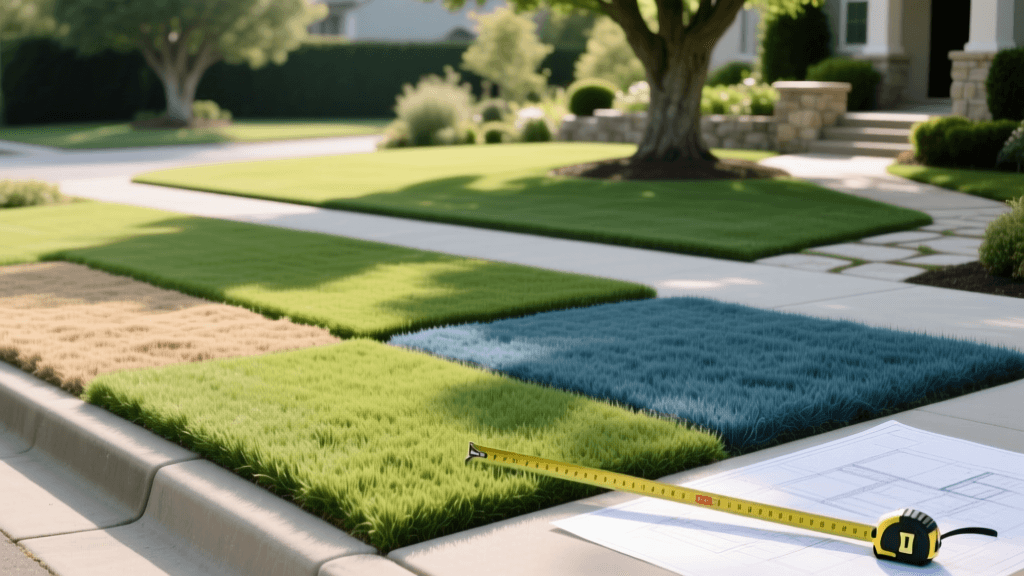
Strategic Lawn Zoning: Planning Turf Placement for Water Efficiency
Designing a Resilient Lawn Through Strategic Planning
Designing a beautiful, low-maintenance lawn goes far beyond simply broadcasting seed over bare dirt or rolling out pallets of sod. True lawn care success begins in the planning phase, specifically through a design concept known as strategic turf placement. By evaluating your property's unique microclimates, traffic patterns, and soil conditions, you can create a landscape that thrives with minimal intervention. Planning your lawn in distinct zones not only reduces water consumption and fertilizer costs but also drastically cuts down on weekly mowing and seasonal aeration efforts.
The Principles of Hydrozoning in Lawn Design
Hydrozoning is the practice of grouping plants and turfgrass with similar water, sunlight, and soil requirements together into distinct zones. According to the Colorado State University Extension, hydrozoning is one of the most effective strategies for reducing residential water use by up to 30% without sacrificing landscape aesthetics. When you design your lawn using hydrozones, you prevent the common mistake of overwatering shade-tolerant grasses just to keep sun-baked Kentucky Bluegrass alive in the same irrigation zone.
'By separating high-water-use turf from low-water-use areas, homeowners can apply water only where it is needed, reducing runoff and promoting deeper, healthier root systems.' — Colorado State University Extension, Water Wise Landscaping Guidelines.
To implement this, divide your yard into three primary zones: High-Use/Sun Zones, Moderate-Use/Transition Zones, and Low-Use/Conservation Zones. This design approach ensures that your most resource-intensive grass is only planted where it serves a functional purpose, such as a play area for children or pets.
Mapping Your Yard: Sun, Shade, and Traffic Audits
Before purchasing grass seed like Pennington Smart Seed or ordering tall fescue sod, spend a week observing your yard. Track the hours of direct sunlight each area receives during the peak of summer. Note the natural pathways your family and pets take across the yard. Grass planted in heavy shade or high-traffic corridors will fail if the wrong species is selected, leading to compaction, weed invasion, and muddy bare spots.
- Full Sun Zones: Receive 6+ hours of direct sunlight. Ideal for high-traffic, durable grasses.
- Partial Shade Zones: Receive 3 to 6 hours of sunlight or dappled light. Require shade-tolerant, fine-bladed grasses.
- Deep Shade Zones: Receive less than 3 hours of direct sun. Turfgrass struggles here; plan for alternative groundcovers or mulch beds.
Selecting Grass Types by Zone
Matching the right grass species to your designated zones is the cornerstone of sustainable lawn planning. Below is a comparison chart to guide your seed or sod selection based on zone requirements.
| Lawn Zone | Recommended Grass Types | Water Needs | Ideal Mowing Height | Best Use Case |
|---|---|---|---|---|
| Zone 1: High Traffic / Full Sun | Kentucky Bluegrass, Bermudagrass, Zoysia | High (1.5' per week) | 2.0' - 3.0' | Play areas, front lawns, pet runs |
| Zone 2: Moderate / Partial Shade | Tall Fescue, Fine Fescue, Perennial Ryegrass | Moderate (1.0' per week) | 2.5' - 4.0' | Side yards, under tree canopies |
| Zone 3: Low Traffic / Conservation | Micro-Clover, Buffalograss, Eco-Lawn Blends | Low (0.5' per week or rain only) | 3.0' - 6.0' (or unmowed) | Back perimeters, slopes, orchards |
For Zone 3 conservation areas, consider planting a mix of Dutch White Clover and hard fescues. Products like Jonathan Green Black Beauty Ultra or specialized eco-lawn blends require significantly less nitrogen fertilizer (often fixing their own nitrogen via clover) and can be left unmowed for a natural, meadow-like aesthetic that supports local pollinators.
Designing for Efficient Irrigation
Your landscape design must dictate your irrigation layout, not the other way around. The EPA WaterSense program recommends designing irrigation systems that separate turf zones from shrub and flower bed zones. Turfgrass requires frequent, shallow watering or deep infrequent soaking depending on the season, whereas ornamental shrubs prefer drip irrigation.
When planning your system, upgrade to a smart irrigation controller like the Rachio 3 or Weathermatic SmartLink (typically costing between $200 and $280). These devices connect to local weather stations and automatically skip watering cycles when rain is forecasted. Furthermore, ensure your sprinkler head placement follows the 'head-to-head' coverage rule, where the spray from one rotor reaches the adjacent rotor, eliminating dry spots that often tempt homeowners to overwater the entire zone.
Hardscape Transitions and Mowing Strips
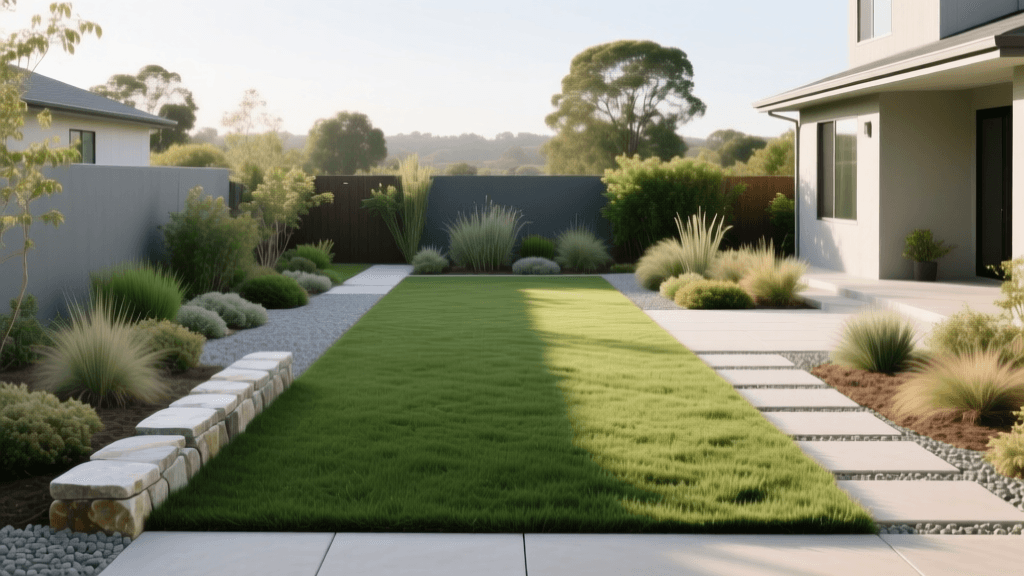
A critical, often overlooked aspect of lawn planning is the transition between turfgrass and hardscapes or garden beds. String trimming along fences, retaining walls, and flower beds is time-consuming and frequently damages tree bark and fence posts. To solve this, design and install a flush 'mowing strip'.
A mowing strip is a flat border of pavers, brick, or poured concrete that is installed exactly level with the final grade of the soil. Plan for a strip that is at least 18 to 24 inches wide. This allows one wheel of your push mower or riding tractor to rest on the hardscape while the deck glides over the grass edge, creating a crisp, professional boundary without the need for a weed whacker. Materials like concrete pavers cost roughly $1.50 to $3.00 per square foot and will save you hours of edging labor over the lifespan of the lawn.
Grading and Soil Preparation for Drainage
Proper water management starts beneath the surface. During the planning and earthmoving phase, ensure your lawn's grading directs water away from your home's foundation and prevents pooling in low-lying turf zones. The industry standard is a minimum slope of 2% (a drop of 1/4 inch per foot) for the first 10 feet surrounding your home.
Before seeding or laying sod, invest in comprehensive soil preparation. Skimping on soil prep is the leading cause of lawn failure and chronic weed issues. Follow these actionable steps for optimal turf establishment:
- Test the Soil: Use a mail-in soil test kit from a university extension (approx. $20-$30) to determine exact pH and phosphorus/potassium levels.
- Amend the Soil: Based on test results, incorporate 2 to 3 inches of organic compost into the top 6 inches of native soil using a rototiller. This improves drainage in clay soils and water retention in sandy soils.
- Level the Grade: Use a heavy landscaping rake to smooth the surface, removing rocks and debris larger than a golf ball.
- Pre-Plant Fertilization: Apply a starter fertilizer high in phosphorus (e.g., a 10-18-10 NPK ratio) just before seeding to promote rapid root development.
Conclusion
Strategic lawn zoning and thoughtful turf placement transform lawn care from a weekly chore into a manageable, eco-friendly routine. By mapping your yard, selecting grass species tailored to specific microclimates, installing smart irrigation, and designing practical hardscape borders, you set the stage for a vibrant, resilient landscape. Planning ahead not only protects your financial investment in seed, sod, and equipment but also conserves vital water resources for years to come.