Lawn Care
Strategic Lawn Zoning: Planning Grass Types and Care
The Philosophy of Strategic Lawn Zoning in Landscape Design
Most homeowners make a critical error when planning their lawn care: they treat their entire yard as a single, uniform carpet. In reality, a typical residential landscape is a complex mosaic of microclimates, varying soil compositions, and distinct usage patterns. Applying the same grass seed, fertilizer regimen, and irrigation schedule to a heavily shaded area beneath an oak tree as you do to a sun-baked, high-traffic play area is a recipe for thinning turf, weed invasion, and wasted resources. Strategic lawn zoning—the practice of dividing your yard into distinct management zones based on function, sunlight, and soil conditions—is the cornerstone of modern, sustainable landscape planning.
By adopting a zoning approach, you can tailor your lawn care routines to the specific biological needs of each area. This not only results in a healthier, more resilient turf but also optimizes your budget by reducing water consumption and minimizing the need for chemical interventions. Whether you are designing a new landscape from scratch or renovating an existing lawn, understanding how to map, plan, and maintain distinct lawn zones is essential for long-term success.
Zone 1: High-Traffic Utility and Play Areas
Utility zones are the workhorses of your landscape. These are the areas where children play, pets run, and backyard gatherings take place. Because these zones endure significant soil compaction and physical wear, the primary design goal is durability and rapid recovery.
Grass Selection and Seeding
For cool-season climates, turf-type tall fescue is the undisputed champion of high-traffic zones. Its deep root system (often reaching 2 to 3 feet deep) anchors the plant firmly and provides excellent drought tolerance. A premium product like Jonathan Green Black Beauty Ultra or Pennington Smart Seed Tall Fescue is highly recommended. Expect to invest approximately $70 to $90 for a 25-pound bag, which covers roughly 5,000 square feet when overseeding. For warm-season climates, hybrid Bermudagrass or Zoysia grass offer superior traffic tolerance due to their aggressive lateral growth via stolons and rhizomes.
Soil Preparation and Maintenance
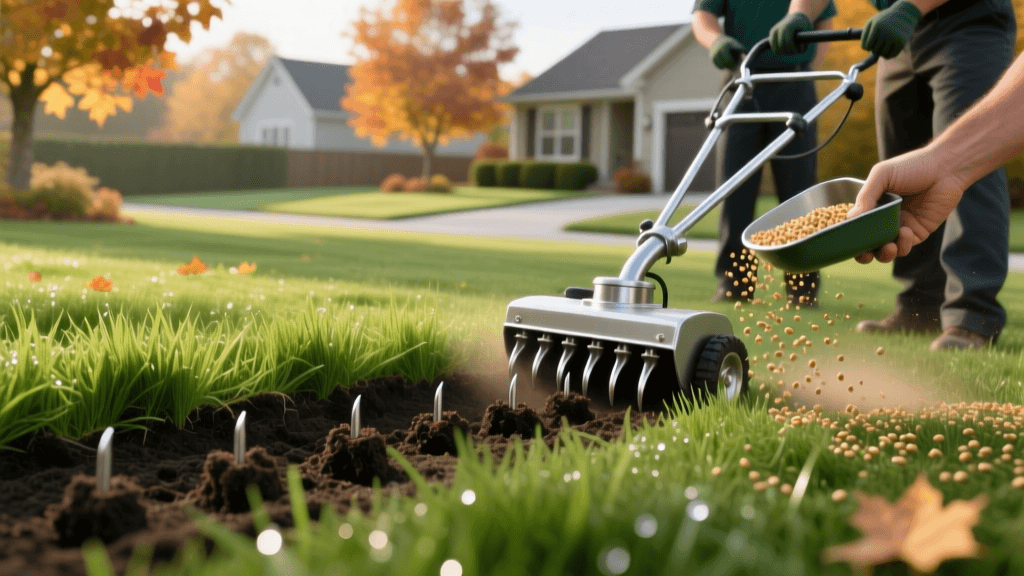
Because utility zones suffer from compaction, annual core aeration is non-negotiable. Plan to rent a core aerator ($50 to $80 per day) or hire a professional ($150 to $200) in the early fall. Follow aeration with a topdressing of coarse masonry sand or a compost-sand blend to improve soil structure and drainage. Mowing height should be kept between 3.0 and 4.0 inches to promote deep rooting and shade out summer weeds like crabgrass.
Zone 2: Shaded and Transitional Microclimates
Shaded zones present a unique set of challenges. Trees and structures not only block vital sunlight but also compete aggressively with turfgrass for water and soil nutrients. Attempting to grow sun-loving grasses in these areas will inevitably lead to bare patches and moss encroachment.
Grass Selection and Seeding
Fine fescues (including creeping red, chewings, and hard fescues) are the most shade-tolerant cool-season grasses available. Blends like Pennington Smart Seed Dense Shade are specifically formulated for areas receiving only 2 to 4 hours of filtered sunlight. Seed costs generally range from $60 to $80 for 20 pounds. In the deep South, St. Augustinegrass is the preferred choice for shaded warm-season lawns, typically established via sod or plugs rather than seed, costing about $0.50 to $0.80 per square foot.
Canopy Management and Fertilization
Lawn care in shaded zones requires a delicate touch. Over-fertilizing shade grass promotes rapid, weak, and succulent leaf growth that is highly susceptible to fungal diseases like snow mold and brown patch. Limit nitrogen applications to a maximum of 1.5 to 2.0 pounds per 1,000 square feet annually. Additionally, practice 'crown thinning' and 'limbing up' on surrounding trees. Removing lower branches up to 6 or 8 feet and thinning the canopy allows dappled morning light to reach the turf, which is crucial for photosynthesis.
Zone 3: Ornamental and Low-Maintenance Display Lawns
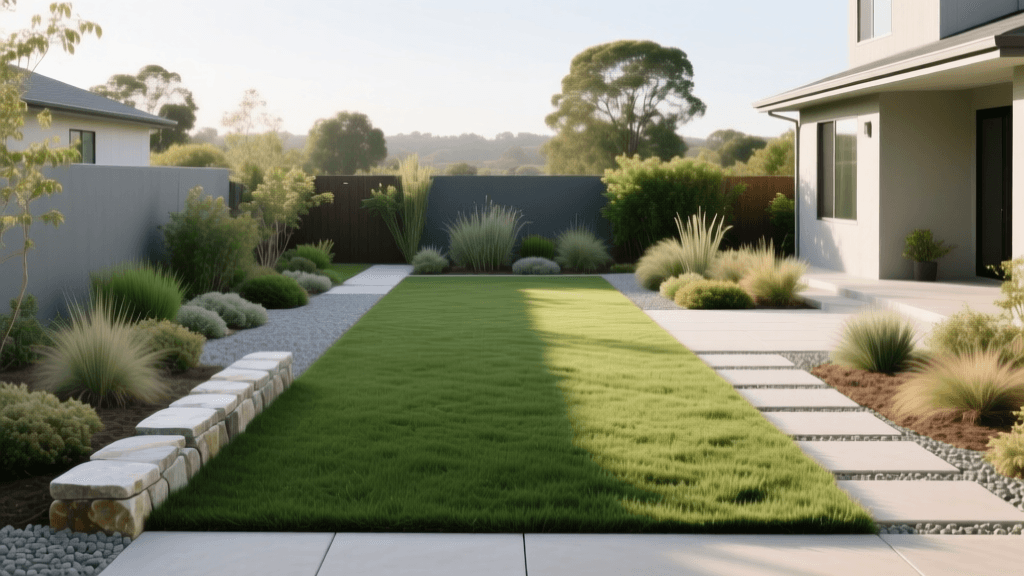
Ornamental zones are typically found in the front yard or in formal garden beds where visual aesthetics and curb appeal are the top priorities. These areas experience little to no foot traffic, allowing you to prioritize fine texture, dense growth, and vibrant color over durability.
Grass Selection and Seeding
Kentucky Bluegrass (KBG) is the gold standard for ornamental cool-season lawns. Its rhizomatous growth habit creates a dense, sod-like carpet with a beautiful dark green hue and fine leaf texture. Products like Scotts Turf Builder Grass Seed Kentucky Bluegrass cost around $40 for 15 pounds. For warm-season ornamental lawns, Emerald Zoysia or Seashore Paspalum provide a manicured, golf-course-like appearance.
Precision Mowing and Care
To achieve a premium ornamental look, mowing height is generally lowered to 1.5 to 2.5 inches. While a high-quality rotary mower with a sharp blade can suffice, serious lawn care enthusiasts often invest in a manual or motorized reel mower ($150 to $350) to achieve a scissor-like cut that prevents leaf tip fraying. Ornamental zones also require higher nitrogen inputs—up to 3.0 to 4.0 pounds per 1,000 square feet annually—split into four or five precise applications using a calibrated broadcast spreader like the Lesco Professional Spreader.
Lawn Zoning Comparison Chart
The following table summarizes the core maintenance parameters for the three primary lawn zones, providing a quick-reference guide for your seasonal planning.
| Lawn Zone | Ideal Grass Type (Cool-Season) | Mowing Height | Annual Nitrogen | Irrigation Needs |
|---|---|---|---|---|
| Utility / High-Traffic | Turf-Type Tall Fescue | 3.0 - 4.0 inches | 2.5 - 3.5 lbs / 1k sq ft | 1.0 - 1.5 inches / week |
| Shaded / Transitional | Fine Fescue Blend | 3.5 - 4.0 inches | 1.0 - 2.0 lbs / 1k sq ft | 0.5 - 1.0 inches / week |
| Ornamental / Display | Kentucky Bluegrass | 1.5 - 2.5 inches | 3.0 - 4.0 lbs / 1k sq ft | 1.0 - 1.5 inches / week |
Actionable Planning Steps for Homeowners
Transitioning to a zoned lawn care strategy requires upfront planning and assessment. Follow these actionable steps to map your property and design an efficient maintenance routine.
Step 1: Conduct a Sun and Shade Audit
Before purchasing any seed or fertilizer, spend a Saturday observing your yard. Sketch a rough map of your property and note which areas receive full sun (6+ hours), partial shade (4-6 hours), and heavy shade (under 4 hours). Remember that sun patterns shift with the seasons; an area that is sunny in June might be shaded by a deciduous tree in September.
Step 2: Perform Zone-Specific Soil Testing
Do not rely on a single soil test for the entire property. The soil beneath a mature pine tree will have a vastly different pH and nutrient profile than the soil in an open, sunlit front yard. Collect separate soil samples from each distinct zone and send them to a reputable lab like Logan Laboratories or your local university extension office. A comprehensive test costs between $25 and $35 and will provide precise lime and fertilizer recommendations tailored to the specific grass type you plan to grow in that zone.
Step 3: Design Hydrozones for Irrigation
Hydrozoning is the practice of grouping plants and turf areas with similar water requirements onto the same irrigation valve. If your sprinkler system waters the shaded fine fescue zone and the sunny tall fescue zone simultaneously, you will inevitably overwater the shade (leading to root rot) or underwater the sun (leading to drought stress). Plan to install separate drip lines or dedicated sprinkler heads for shaded beds, utilizing smart irrigation controllers like the Rachio 3 ($200-$250) to automatically adjust watering schedules based on local weather data and specific zone needs.
Expert Insights and Citations
The concept of microclimate planning is heavily supported by turfgrass scientists and landscape architects. Treating the lawn as a dynamic ecosystem rather than a static carpet is vital for environmental sustainability.
"Turfgrass species vary significantly in their shade tolerance, drought resistance, and traffic recovery. Planning lawn zones based on site-specific microclimates and functional usage reduces water consumption by up to 30%, minimizes the need for chemical interventions, and drastically improves overall turf vigor."
— Penn State Extension, Department of Plant Science and Turfgrass Management
Furthermore, the University of California Integrated Pest Management (UC IPM) program emphasizes that matching the right turfgrass to the right microclimate is the single most effective cultural practice for preventing weed invasion and disease outbreaks. When grass is stressed by being planted in an unsuitable zone, it opens the canopy, allowing opportunistic weeds like Poa annua and spurge to take root.
Conclusion
Strategic lawn zoning transforms lawn care from a frustrating chore into a rewarding, scientific endeavor. By taking the time to design and plan your utility, shaded, and ornamental zones, you can select the precise grass varieties, soil amendments, and maintenance schedules required for each unique environment. Not only will this targeted approach yield a thicker, greener, and more resilient lawn, but it will also save you time, water, and money over the life of your landscape. Start mapping your zones today, and lay the groundwork for a truly optimized outdoor space.