Lawn Care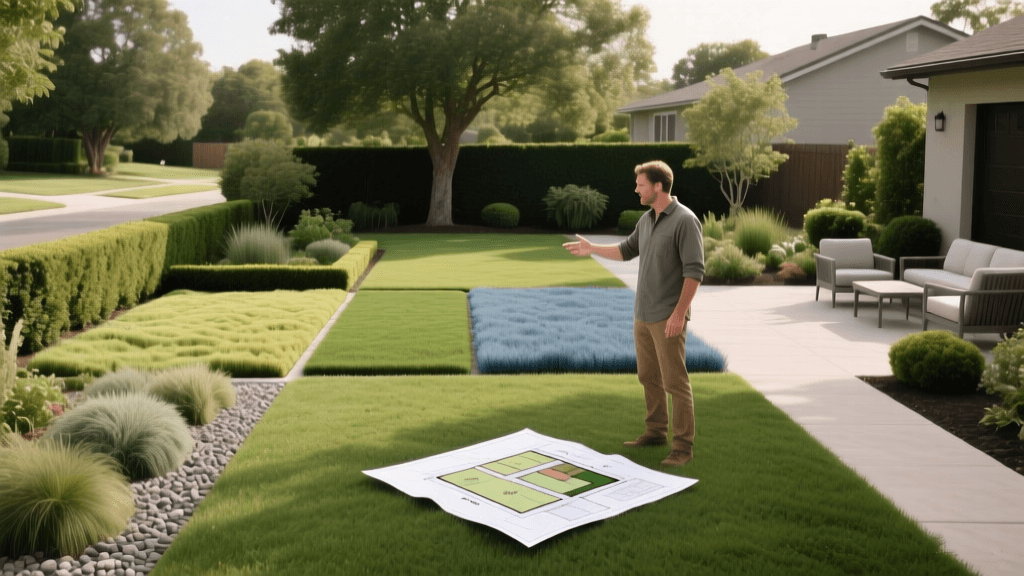
Strategic Lawn Zoning: Planning Functional Yard Spaces
The Art and Science of Strategic Lawn Zoning
When most homeowners think of lawn care, they envision a uniform carpet of green grass stretching from the foundation of the house to the property line. However, treating your entire yard as a single, homogenous entity is a recipe for wasted water, excessive fertilizer use, and endless frustration. Strategic lawn zoning is a landscape design and planning methodology that divides your yard into distinct functional areas based on usage, sunlight exposure, soil conditions, and maintenance tolerance. By planning your lawn in zones, you can select the right grass species for the right purpose, integrate low-maintenance eco-friendly alternatives, and create a dynamic, highly usable outdoor living space.
Step 1: Conducting a Comprehensive Site Analysis
Before purchasing a single bag of seed or sketching a design, you must understand the microclimates of your property. Spend a weekend tracking sunlight patterns. Note which areas receive full sun (six to eight hours of direct light), partial shade (four to six hours), and heavy shade (less than four hours). Next, conduct a professional soil test through your local university extension office. Most turfgrasses thrive in soil with a pH between 6.0 and 7.0. If your soil test reveals highly acidic soil (below 6.0), you will need to plan for the application of pelletized limestone at a rate of roughly 50 pounds per 1,000 square feet to raise the pH. Conversely, highly alkaline soils may require elemental sulfur. Mapping these variables on graph paper—where one square equals ten square feet—will serve as the foundational blueprint for your zoning strategy.
Step 2: Defining Your Functional Lawn Zones
1. The High-Traffic Play and Entertainment Zone
This is the workhorse area of your yard, designated for children, pets, and frequent foot traffic. The primary goal here is durability and rapid recovery. For cool-season climates, Turf-Type Tall Fescue (TTTF) is the undisputed champion. Its deep root system, which can reach two to three feet into the soil profile, provides exceptional drought tolerance and wear resistance. Plan to seed TTTF at a rate of 8 to 10 pounds per 1,000 square feet in the early fall. In warm-season regions, hybrid bermudagrass or Zoysia grass offers the dense, traffic-resistant sod required for active play areas. These zones should be situated in full-sun locations and equipped with robust, high-coverage irrigation systems.
2. The Aesthetic Showcase Zone
Typically located in the front yard or visible from primary indoor living spaces, the showcase zone prioritizes visual perfection over heavy utility. This is where you want a dense, fine-bladed turf that responds beautifully to striping. Kentucky Bluegrass (KBG) is ideal for cool-season showcase zones due to its aggressive rhizomatous growth, which fills in bare spots naturally and creates a lush, dark green carpet. KBG requires higher maintenance, including regular nitrogen applications (2 to 4 pounds per 1,000 square feet annually) and precise mowing at 2.5 to 3 inches. Because it is less tolerant of heavy scuffing, limit foot traffic in this zone and use it primarily for visual appeal.
3. The Low-Maintenance Eco-Zone
Not every square inch of your property needs to be traditional turfgrass. The eco-zone is designed for areas that are difficult to mow, such as steep slopes, or areas where you want to support local pollinators while drastically reducing maintenance. Integrating microclover (Trifolium repens 'Pirouette') into your lawn design is a game-changer. Microclover stays low to the ground, requires no nitrogen fertilizer because it fixes its own nitrogen from the atmosphere, and stays green during mild droughts. Alternatively, for warm-season areas, consider planting drought-tolerant groundcovers like creeping thyme or sedum. These zones should be planned for the periphery of the yard or in transition areas between the manicured lawn and naturalized woodland beds.
4. The Shade and Transition Zone
Areas under large deciduous trees or along the north side of structures present unique challenges. Traditional sun-loving grasses will thin out and succumb to fungal diseases in heavy shade. For these zones, plan to use fine fescues, such as creeping red fescue or hard fescue, which have excellent shade tolerance and require minimal fertilization. If an area receives less than three hours of dappled sunlight, abandon turfgrass entirely. Transition these spaces into mulched landscape beds featuring shade-tolerant perennials like hostas, ferns, and astilbes, which reduce the overall square footage of lawn requiring mowing and edging.
Grass Selection and Maintenance Matrix
| Zone Type | Recommended Grass / Groundcover | Sun Requirement | Ideal Mowing Height | Maintenance Level |
|---|---|---|---|---|
| High-Traffic Play | Turf-Type Tall Fescue / Bermudagrass | Full Sun (6-8+ hrs) | 3.0 - 4.0 inches | Moderate |
| Aesthetic Showcase | Kentucky Bluegrass / St. Augustine | Full to Partial Sun | 2.5 - 3.0 inches | High |
| Low-Maintenance Eco | Microclover / Creeping Thyme | Variable (Sun to Part Shade) | 2.0 inches (or unmowed) | Very Low |
| Shade & Transition | Fine Fescues / Mulched Beds | Shade (Under 4 hrs) | 3.0 - 3.5 inches | Low |
Step 3: Hydrozoning and Irrigation Planning
A critical component of lawn planning is hydrozoning—the practice of grouping plants and turf areas with similar water requirements together on the same irrigation valve. Watering a shade-tolerant fine fescue zone with the same frequency and duration as a full-sun Kentucky Bluegrass showcase zone will inevitably lead to shallow roots, fungal outbreaks, and water waste. Plan your irrigation system so that high-traffic and showcase zones are on dedicated rotary nozzle circuits, which apply water slowly and evenly to prevent runoff. Eco-zones and shaded transition areas should be on separate, easily adjustable circuits, or rely entirely on drip irrigation if they consist primarily of landscape beds and groundcovers.
Step 4: Integrating Hardscape and Mowing Strips
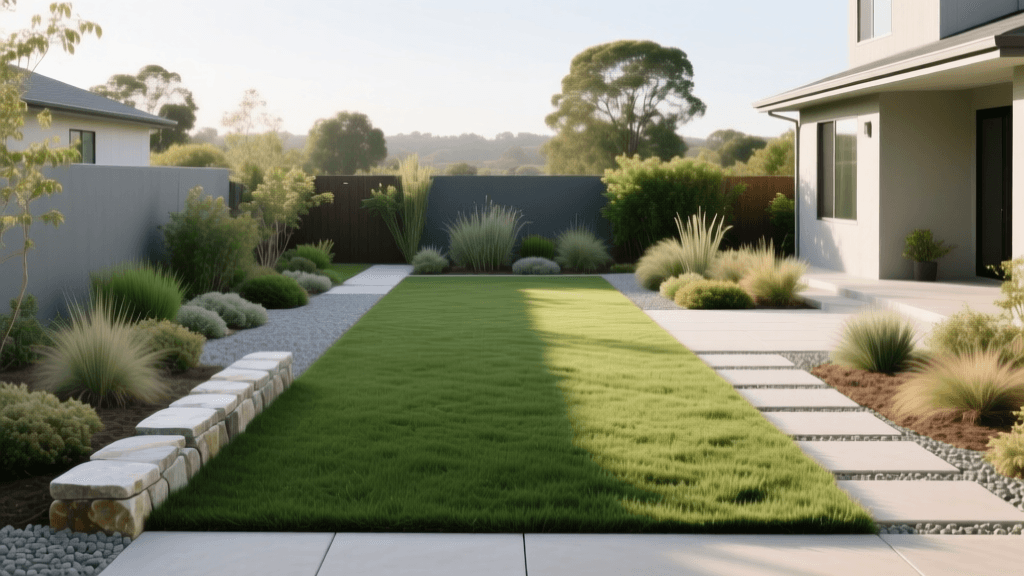
When designing the boundaries between your lawn zones and hardscape features (like patios, walkways, and garden beds), always plan for mowing strips. A mowing strip is a flush, paved border—typically 12 to 18 inches wide—made of brick, pavers, or poured concrete. By installing a mowing strip, you allow the wheels of your lawn mower to ride on the hardscape while the deck cuts the grass perfectly to the edge. This design element completely eliminates the need for string trimming and manual edging, saving hours of labor over the course of a season. Furthermore, mowing strips create a crisp, professional visual boundary that separates the high-traffic play zones from delicate garden beds, preventing mulch from being kicked into the turf.
Expert Guidelines on Lawn Reduction and Zoning
Academic and agricultural institutions strongly advocate for strategic zoning as a means of environmental conservation and labor reduction. According to guidelines published by Penn State Extension's Sustainable Lawn Care program, homeowners are encouraged to 'reduce the total footprint of high-maintenance turfgrass' by converting unused or marginal areas to low-input meadows, groundcovers, or native plantings. Penn State experts note that maintaining a traditional turfgrass lawn requires significant inputs of water, fossil fuels for mowing, and synthetic fertilizers. By strategically zoning your yard and limiting high-input grasses strictly to functional areas where children and pets play, you can reduce your lawn's environmental impact by up to 40% while simultaneously increasing local biodiversity and decreasing weekend maintenance chores.
Budgeting and Phasing Your Lawn Design
Transforming your yard into a zoned landscape does not have to happen all at once. Plan your project in phases to manage costs effectively.
Phase 1: Hardscape and Edging (Year 1)
Begin by installing mowing strips, defining bed lines, and setting up the hydrozoned irrigation infrastructure. Expect to spend between $8 and $15 per linear foot for professional paver mowing strip installation.
Phase 2: Showcase and Play Zones (Year 1 or 2)
Focus on establishing the core functional areas. Seeding a high-traffic TTTF zone costs approximately $0.10 to $0.20 per square foot, including soil preparation and starter fertilizer. If you require instant gratification for a play area, budget $0.50 to $1.50 per square foot for professional sod installation.
Phase 3: Eco-Zones and Shade Transitions (Year 2 or 3)
Gradually convert the peripheries and shaded areas. Microclover seed is highly cost-effective at roughly $30 to $50 per pound, which is enough to overseed an entire 1,000-square-foot eco-zone. Mulching shade transition areas with high-quality hardwood mulch will cost around $30 to $40 per cubic yard, suppressing weeds and retaining soil moisture without the need for turfgrass.
Conclusion
Strategic lawn zoning shifts the paradigm of lawn care from a relentless battle against nature to a harmonious collaboration with your property's unique ecology. By thoughtfully planning your yard into high-traffic, showcase, eco, and shade zones, you ensure that every square foot of your landscape serves a distinct, functional purpose. You will save money on water and fertilizer, reduce your weekend mowing chores, and cultivate a diverse, resilient outdoor space that is both beautiful and highly usable for years to come.