Tree Care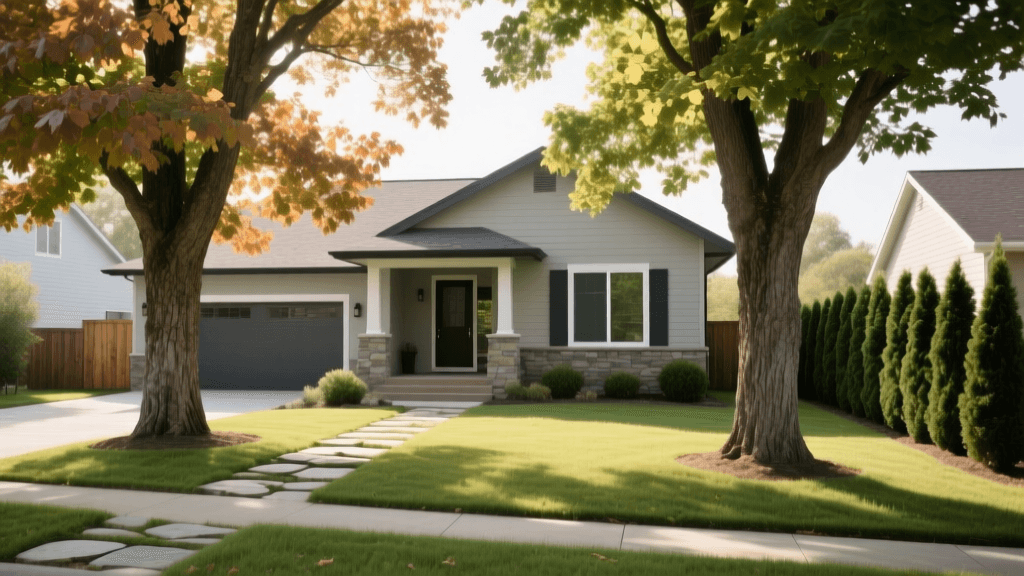
Strategic Tree Placement for Energy Efficiency and Design
The Intersection of Landscape Design and Energy Efficiency
When planning a residential landscape, trees are often viewed purely as aesthetic additions. However, designing a landscape is much more than selecting beautiful plants; it is about engineering an outdoor space that works in harmony with your home's architecture and the local climate. Strategic tree placement is one of the most powerful, yet frequently overlooked, tools in a landscape designer's arsenal. By carefully planning where and what you plant, you can dramatically reduce your household energy consumption, protect your property from harsh weather, and significantly boost your curb appeal. According to the U.S. Department of Energy, a well-designed, energy-efficient landscape can save enough energy to pay for itself in less than eight years. This guide will walk you through the science and art of strategic tree placement, providing actionable design ideas, species recommendations, and infrastructure considerations to ensure your planting plan is both beautiful and highly functional.
Mastering Solar Angles: Summer Shade and Winter Sun
The sun's trajectory changes drastically between the summer and winter solstices. In the summer, the sun sits high in the sky, beating down on your roof and west-facing windows, which can cause indoor temperatures to spike and force your air conditioning system into overdrive. In the winter, the sun sits much lower on the horizon, and its warming rays are a valuable asset. To capitalize on this natural phenomenon, landscape planning must incorporate deciduous trees on the south, east, and west sides of your home.
During the summer, the dense canopy of a deciduous tree will intercept solar radiation, shading your home and lowering ambient air temperatures through evapotranspiration. In the winter, once the leaves drop, the bare branches allow the low-angled sunlight to penetrate your windows, providing passive solar heating. For optimal summer shading, plant trees with high, spreading canopies approximately fifteen to twenty-five feet from your east and west-facing walls. This distance is crucial; it ensures the tree is close enough to cast a shadow on the house during the peak heat of the afternoon, but far enough away to prevent root interference with your foundation.
Top Deciduous Trees for Solar Management
Not all shade trees are created equal. When planning your design, consider the mature size, growth rate, and canopy density of the species.
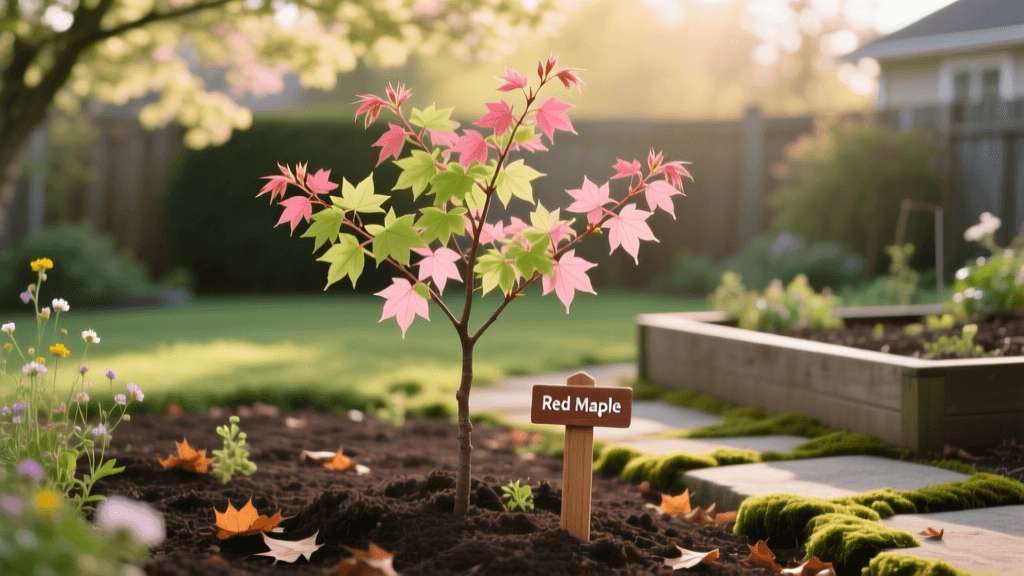
- Red Maple (Acer rubrum): A fast-growing deciduous tree that reaches forty to sixty feet in height. It offers brilliant fall color and a dense, oval canopy that is perfect for shading western exposures.
- Swamp White Oak (Quercus bicolor): A more slow-growing but incredibly resilient option. It tolerates urban conditions and poor drainage better than most oaks, eventually reaching fifty to sixty feet with a broad, rounded crown.
- Tulip Tree (Liriodendron tulipifera): One of the tallest native hardwoods, capable of reaching over eighty feet. Its straight trunk and high canopy make it ideal for casting long shadows over single-story homes without blocking ground-level views.
Designing Effective Winter Windbreaks
While summer shade is vital for cooling, winter wind protection is equally important for reducing heating costs. Cold, sweeping winds from the north and northwest can strip heat from your home's exterior and create dangerous wind chill factors in your yard. A properly designed windbreak can reduce wind speeds by up to eighty percent, creating a sheltered microclimate that protects your home, your garden beds, and your outdoor living spaces.
According to Purdue University Extension, an effective windbreak should consist of dense, multi-row plantings of evergreen trees and shrubs placed on the north and northwest sides of the property. The ideal distance for a windbreak is two to five times the mature height of the trees away from the home. For example, if you plant Norway Spruces that will eventually reach fifty feet tall, the windbreak row should be planted one hundred to two hundred and fifty feet upwind from the house. If your property is too small for such distances, a dense, staggered double row of mid-sized evergreens planted thirty feet from the home will still provide significant deflection and energy savings.
Windbreak Tree Comparison Chart
| Species | Type | Mature Height | Spread | Wind Density | Hardiness Zones |
|---|---|---|---|---|---|
| Norway Spruce | Evergreen | 40-60 ft | 25-30 ft | High | 3-7 |
| Eastern Redcedar | Evergreen | 40-50 ft | 8-20 ft | Very High | 2-9 |
| White Pine | Evergreen | 50-80 ft | 20-40 ft | Medium | 3-8 |
| Colorado Blue Spruce | Evergreen | 30-60 ft | 10-20 ft | High | 2-7 |
Protecting Infrastructure: Roots, Hardscapes, and Power Lines
A common and costly design flaw is planting large-maturing trees too close to hardscapes, underground utilities, or overhead power lines. Tree roots naturally seek out moisture and oxygen, and they can easily exploit tiny cracks in sewer lines, septic systems, and concrete foundations. When planning your tree placement, you must account for the mature root spread, which often extends one and a half to two times the diameter of the canopy.
To protect paved driveways, retaining walls, and home foundations, maintain a minimum planting distance of fifteen feet for medium trees and at least twenty-five feet for large shade trees. If you must plant closer due to space constraints, you must install a physical root barrier. Products like the DeepRoot Tree Root Barrier, typically buried in a trench twenty-four to thirty-six inches deep, mechanically deflect roots downward, preventing them from lifting sidewalks or compromising structural integrity.
Furthermore, always look up before you plant. Trees planted directly beneath overhead utility lines will eventually require severe, disfiguring pruning by the local utility company, ruining the tree's natural form and creating hazardous entry points for disease and pests. Always plant low-growing ornamental trees under power lines and reserve large-canopy species for open areas at least thirty feet away from utility easements.
Layering and Understory Planning
A mature forest is not just a collection of towering canopy trees; it is a complex, layered ecosystem. To create a visually stunning and ecologically resilient landscape design, you must plan for the understory. Once your primary shade and windbreak trees are placed, design secondary layers using smaller ornamental trees and large shrubs.
Species like the Flowering Dogwood (Cornus florida), Eastern Redbud (Cercis canadensis), and Serviceberry (Amelanchier) thrive in the dappled shade provided by larger deciduous trees. Planting these understory trees in staggered clusters along the edges of your primary tree zones adds depth, seasonal interest, and vital habitat for local pollinators and birds. When planning the spacing, ensure that understory trees are planted at least eight to twelve feet away from the trunk of the primary canopy tree to avoid severe competition for water and soil nutrients during the establishment phase.
Budgeting and Phasing Your Tree Planting Plan
Strategic tree placement is a long-term investment that requires careful financial planning and phasing. Mature, specimen-sized trees in large wooden boxes or balled-and-burlapped (B&B) formats can cost anywhere from five hundred to over two thousand dollars each, plus heavy equipment fees for crane installation. Conversely, fifteen-gallon container trees typically cost between one hundred and two hundred dollars, making them much more budget-friendly. However, smaller trees require a longer establishment period before they provide significant energy-saving shade.
A smart design strategy is to phase your planting over three to five years. Begin by installing your primary structural shade trees and evergreen windbreaks in the first year to give them a head start. In subsequent years, add the understory ornamentals and perimeter shrubs as your budget allows. Always allocate ten to fifteen percent of your total planting budget toward soil amendment, high-quality organic mulch, and a professional drip irrigation system, which is critical for ensuring the survival and vigorous growth of your new trees during their vulnerable first two years.
Conclusion
Thoughtful tree placement bridges the gap between aesthetic landscape design and practical environmental engineering. By understanding solar angles, designing robust windbreaks, respecting underground and overhead infrastructure, and planning for layered understory growth, you can cultivate a landscape that serves your home for generations. Take the time to map out your property, consult with local arborists or university extension offices regarding microclimates, and invest in the right species for the right locations. Your strategic planning will be rewarded with a beautiful, resilient yard and noticeably lower energy bills.