Tree Care
Strategic Tree Placement For Maximum Energy Savings
When planning your landscape, trees are often viewed purely as aesthetic additions. However, from a design and planning perspective, strategic tree placement is one of the most cost-effective methods to reduce household energy consumption. By carefully mapping solar angles, wind patterns, and mature canopy spreads, you can lower summer cooling costs by up to 25% and winter heating costs by 10% to 15%.
According to the U.S. Department of Energy (DOE), a well-planned landscape can pay for itself in energy savings in less than eight years. This guide will walk you through the exact measurements, species selections, and design strategies needed to transform your yard into a passive climate-control system.
The Science of Shade: How Trees Cool Your Home
Trees regulate home temperatures through two primary mechanisms: direct shading and evapotranspiration. While shading prevents solar radiation from striking your roof and windows, evapotranspiration is the process where trees release water vapor through their leaves, actively cooling the surrounding air. The USDA Forest Service notes that the air temperature directly under a mature tree canopy can be up to 9°F cooler than the ambient temperature in direct sunlight.
When planning your design, you must account for the mature size of the tree, not the size of the sapling you are planting. A common design flaw is planting trees too close to the foundation, which leads to structural damage and blocked airflow. Always measure the projected canopy radius and add a 5-foot buffer zone from your home's exterior walls.
Mapping Your Property for Optimal Tree Placement
To maximize energy efficiency, you must understand the solar path. In the Northern Hemisphere, the sun sits high in the southern sky during summer and low in the southern sky during winter. Your planting strategy must adapt to these shifting angles.
East and West Facing Zones (Priority Areas)
The east and west sides of your home receive the most intense, direct solar radiation during the morning and late afternoon when the sun is at a low angle. Overhangs and eaves cannot block this low-angle light. Planting tall, broad-leafed deciduous trees on the east and west sides is the single most effective shading strategy for reducing summer air conditioning loads.
- East Side: Plant trees to shade windows from 7:00 AM to 11:00 AM. This prevents the house from heating up early in the day.
- West Side: Plant trees to block the harsh 3:00 PM to 7:00 PM sun, which causes peak indoor heat buildup in the evening.
South Facing Zones (The Winter Solar Trap)
Be extremely cautious when planting on the south side of your home. While shade here helps in mid-summer, the high angle of the summer sun means a tree must be planted quite far from the house to cast a shadow on the roof. Conversely, in the winter, the low southern sun provides vital passive solar heating. If you plant dense evergreens on the south side, you will block this free winter heat, increasing your heating bills. If you must plant on the south side, use deciduous trees that lose their leaves in winter, and plant them at least 20 to 30 feet away from the foundation.
Selecting the Right Trees for Energy Efficiency
Choosing the right species is critical for long-term landscape planning. You need deciduous trees with dense summer canopies for shading, and evergreen trees with dense branching for winter windbreaks. Below is a comparison chart of highly recommended species for energy-efficient landscape design.
| Tree Species | Type | Mature Height / Spread | Best Placement | Est. Nursery Cost (15-gal) |
|---|---|---|---|---|
| Northern Red Oak | Deciduous | 60-75 ft / 45-50 ft | West / East | $120 - $180 |
| Sugar Maple | Deciduous | 60-75 ft / 35-50 ft | West / East | $130 - $200 |
| Eastern White Pine | Evergreen | 50-80 ft / 20-40 ft | North / NW Windbreak | $90 - $150 |
| Green Giant Arborvitae | Evergreen | 30-40 ft / 12-15 ft | North / NW Windbreak | $70 - $110 |
| Crepe Myrtle (Natchez) | Deciduous | 20-30 ft / 15-25 ft | Patios / Hardscapes | $80 - $130 |
Furthermore, prioritizing native tree species reduces the need for supplemental irrigation and chemical fertilizers. Native trees are adapted to local rainfall patterns, meaning your energy-efficient landscape will also be water-efficient. For instance, planting a Bur Oak in the Midwest provides massive shading potential while requiring minimal watering once established, unlike a non-native species that might demand constant irrigation to survive summer heat waves.
Windbreaks: Winter Energy Savings
While summer shade gets all the attention, winter wind chilling can drastically increase your heating costs. Cold winds create negative pressure on the leeward side of your home, pulling warm air out through tiny cracks and seams. A well-designed windbreak can reduce wind speed by up to 50%, lowering winter heating bills by 10% to 15%.
The 2-to-5 Rule for Windbreak Distance
According to the USDA National Agroforestry Center, the most effective windbreak placement is a distance of two to five times the mature height of the trees away from the home. For example, if you plant Eastern White Pines that will reach 60 feet in height, your windbreak row should be planted 120 to 300 feet upwind (usually the North or Northwest) from your house. For smaller suburban lots, dense evergreen shrubs and smaller trees planted 15 to 20 feet from the north foundation can still provide a meaningful buffer against freezing drafts.
Hardscape and Microclimate Cooling
Trees do not just cool the house; they cool the outdoor living spaces and mechanical equipment. Designing your landscape to shade hardscapes like concrete driveways, stone patios, and asphalt walkways prevents these materials from acting as thermal mass radiators that bake your home's exterior.
Driveways and walkways made of dark asphalt or concrete absorb massive amounts of solar radiation, creating localized heat islands that can raise the ambient temperature around your home by 5°F to 10°F. By planting wide-canopy deciduous trees like the London Planetree or Sycamore along the southern and western borders of your driveway, you intercept this radiation before it hits the pavement. This not only protects the pavement from UV degradation and cracking but also prevents the driveway from radiating stored heat into your home's windows and siding during the evening hours.
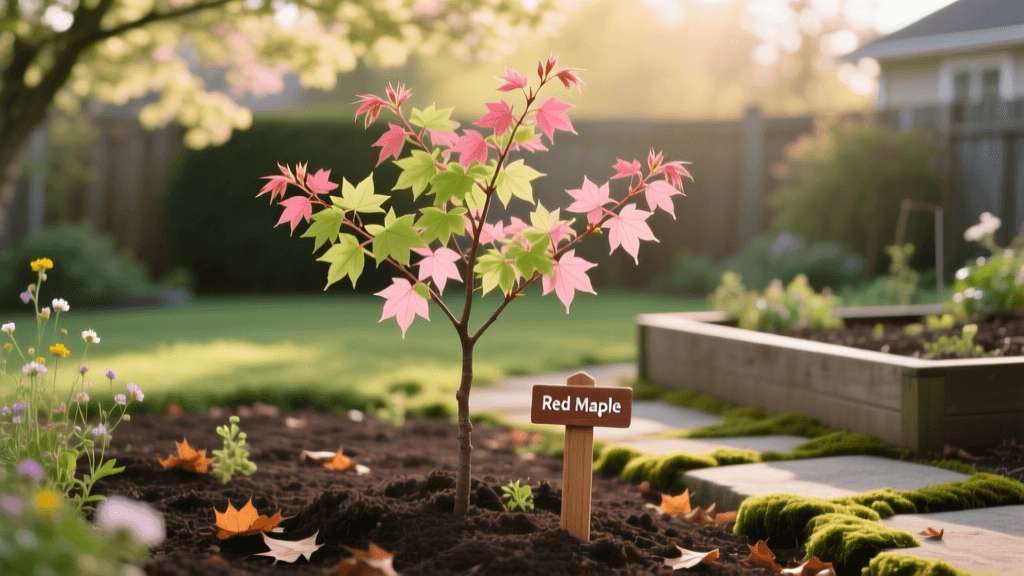
- Shading the AC Unit: An air conditioning condenser unit operating in direct, hot sunlight works significantly harder than one in the shade. However, you must maintain a minimum clearance of 3 feet on all sides and 5 feet above the unit to ensure proper airflow. Planting a small, shade-providing tree like a Japanese Maple or a Crepe Myrtle at the correct distance can improve AC efficiency by up to 10%.
- Patio Shade: Use mid-sized deciduous trees (15-25 feet tall) to shade western-facing patios. This extends the usability of your outdoor space by several hours in the evening.
Implementation Timeline and Budgeting
Proper planning requires aligning your purchases with the optimal planting seasons and budgeting for long-term establishment.
When to Plant
The ideal time to plant energy-saving trees is during the dormant season. Early fall (September to November) is optimal in most temperate zones, as the soil is still warm enough to encourage root growth, but the air is cool enough to prevent transplant shock. Early spring (March to April) is the secondary window, immediately after the ground thaws but before the trees break bud.
Budgeting for Energy-Efficient Landscaping
When calculating your return on investment, factor in the total installation cost, not just the price of the sapling. Here is a realistic budget breakdown for planting a single large-caliper shade tree (2.5 to 3-inch trunk diameter):
- Tree Cost (B&B or large container): $250 - $450
- Soil Amendments & Compost: $40 - $60
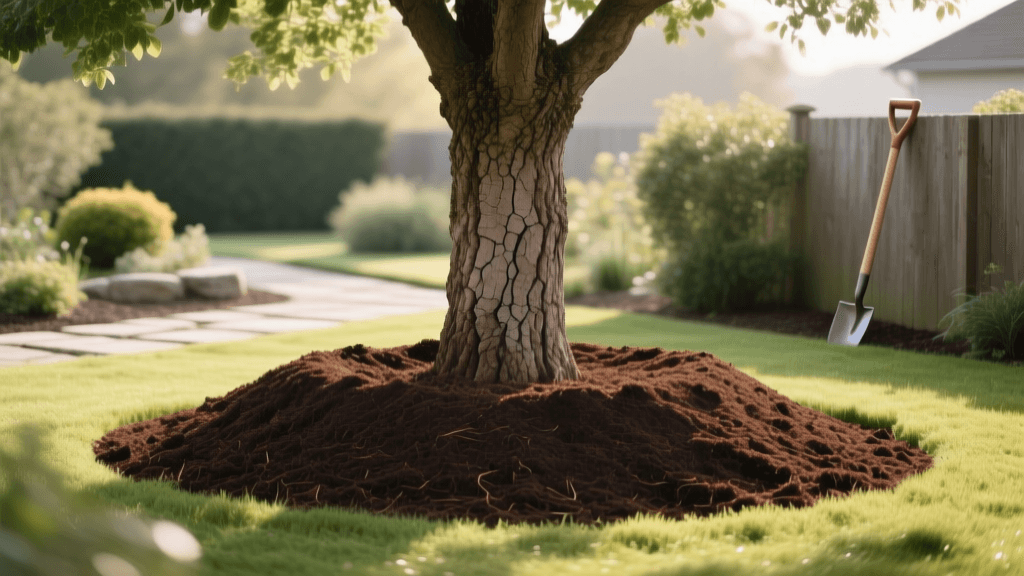
- Hardwood Mulch (3 cubic yards): $100 - $150
- Professional Planting Labor: $150 - $300
- Deep Root Watering System: $30 - $50
- Total Estimated Cost per Tree: $570 - $1,010
While the upfront cost may seem high, the U.S. Department of Energy estimates that three well-placed, mature trees can save an average household between $100 and $250 annually in energy costs. Within five to eight years, the trees will have paid for themselves, continuing to generate dividends in energy savings and increased property value for decades.
'Carefully positioned trees alone can save up to 25% of a household's energy for heating and cooling. During the summer, the most effective strategy is to shade the east and west windows and walls.' — U.S. Department of Energy, Energy Saver Guide
Final Design Considerations
Before breaking ground, always call your local utility locating service (such as 811 in the United States) to mark underground lines. Never plant large shade trees directly under overhead power lines; instead, use low-growing ornamental species in the utility easement zone. By combining strategic placement, proper species selection, and an understanding of solar and wind dynamics, your landscape design will evolve from a simple visual amenity into a powerful, living component of your home's energy infrastructure.