Gardening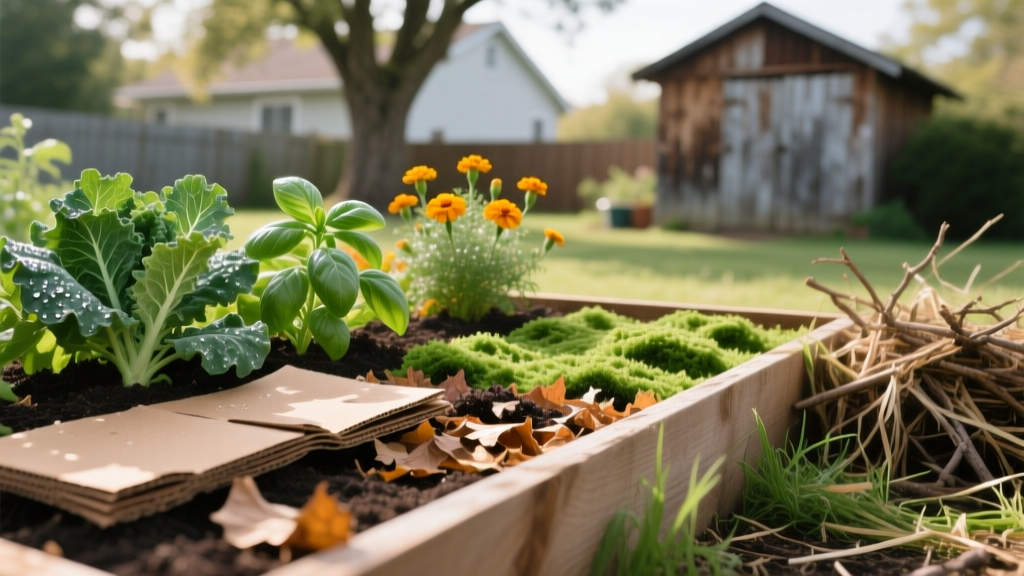
Eco-Friendly Lasagna Gardening: Build No-Till Raised Beds
Sarah ChenPublished
The Rise of Eco-Friendly Lasagna Gardening
Lasagna gardening, scientifically referred to as sheet mulching, is a highly sustainable, no-till method of building rich, fertile garden beds without ever turning the soil. By mimicking the natural decomposition processes found on forest floors, this eco-friendly technique layers organic materials directly on top of existing ground cover. The result is a nutrient-dense, moisture-retentive growing medium that suppresses weeds, sequesters carbon, and eliminates the need for synthetic fertilizers. For home gardeners looking to reduce their environmental footprint while maximizing vegetable and flower yields, lasagna gardening represents the pinnacle of regenerative landscaping.
The Environmental Power of No-Till Sheet Mulching
Traditional rototilling destroys the delicate fungal networks and soil structure that took years to develop. According to the USDA Natural Resources Conservation Service, minimizing soil disturbance is one of the core principles of soil health. No-till methods preserve soil aggregates, increase water infiltration, and keep carbon locked in the ground rather than releasing it into the atmosphere as CO2. When you build a lasagna garden, you are actively participating in carbon sequestration while creating a thriving habitat for earthworms and beneficial nematodes.
“By leaving the soil undisturbed and feeding it from the top down, we allow the soil food web to do the heavy lifting of nutrient cycling and aeration.”
Understanding the Carbon-to-Nitrogen Ratio
A successful lasagna garden relies on the proper balance of 'browns' (carbon-rich materials) and 'greens' (nitrogen-rich materials). The ideal carbon-to-nitrogen (C:N) ratio for rapid decomposition and optimal soil building is roughly 3:1 by volume. The Environmental Protection Agency emphasizes that balancing these materials prevents anaerobic conditions, reduces foul odors, and accelerates the breakdown of organic matter into humus.
Material Sourcing Guide: Browns vs. Greens
| Material Type | Category | Examples | Preparation Tips |
|---|---|---|---|
| Cardboard | Brown (Carbon) | Corrugated boxes, packing cardboard | Remove all tape and staples; overlap edges by 6 inches |
| Dry Leaves | Brown (Carbon) | Autumn leaf drop, pine needles | Shred with a lawnmower to prevent matting and speed decay |
| Straw | Brown (Carbon) | Wheat straw, oat straw (not hay) | Ensure it is seed-free to prevent unwanted weeds |
| Grass Clippings | Green (Nitrogen) | Untreated lawn mowings | Dry slightly before applying to avoid slimy, anaerobic mats |
| Kitchen Scraps | Green (Nitrogen) | Vegetable peels, coffee grounds, tea bags | Bury deep within layers to deter pests and rodents |
| Manure | Green (Nitrogen) | Aged horse, cow, or poultry manure | Must be composted or aged for at least 6 months to kill pathogens |
Step-by-Step Guide to Building Your Lasagna Garden
Step 1: Site Selection and Mowing
Choose a location that receives at least 6 to 8 hours of direct sunlight daily. Do not pull up existing grass or weeds. Instead, mow the vegetation as short as possible. This leaves the root systems intact to decompose and provide initial channels for water and earthworms, while the short top-growth will quickly break down beneath your mulch layers.
Step 2: The Weed-Suppressing Base Layer
Lay down overlapping sheets of plain, uncoated brown corrugated cardboard or thick layers of newspaper (at least 10 sheets thick). Overlap the edges by a minimum of 6 inches to prevent aggressive weeds like Bermuda grass or bindweed from finding a gap. Immediately soak the cardboard with a garden hose until it is completely saturated. This initiates the decomposition process and makes the barrier attractive to earthworms.
Step 3: Alternating the Layers
Begin building your bed by alternating brown and green materials. Start with a 4 to 6-inch layer of carbon-rich browns (like shredded leaves or straw), followed by a 2 to 3-inch layer of nitrogen-rich greens (like grass clippings or composted manure). Water each layer lightly as you build. Repeat this process until your bed is 18 to 24 inches high. The pile will shrink by up to 70% as the materials decompose over the next few months.
Step 4: The Planting Cap
Finish the top of your lasagna garden with a 3 to 4-inch layer of finished compost or high-quality topsoil mixed with compost. This provides an immediate, stable medium for seeds and transplants, ensuring their roots do not sit in actively decomposing, heat-generating layers.
Cost Analysis: Sourcing Materials Sustainably
One of the greatest advantages of lasagna gardening is the near-zero cost when utilizing local waste streams. Here is a comparison of sourcing methods for a standard 4x8-foot raised bed area:
- Zero-Cost Sourcing: Collect cardboard from local retail stores, gather autumn leaves from neighbors, use grass clippings from your lawn, and source coffee grounds from local cafes. Total Cost: $0.
- Low-Cost Sourcing: Purchase straw bales ($8-$12 per bale) and aged manure ($5 per bag) from a local farm supply store, supplementing with free cardboard. Total Cost: $25-$40.
- Conventional Raised Bed: Buying milled lumber, hardware cloth, and bulk organic topsoil/compost mix. Total Cost: $250-$450.
Seasonal Timing and Planting Strategies
The optimal time to build a lasagna garden is in the autumn. By constructing the bed in October or November, the winter moisture and freeze-thaw cycles will accelerate the breakdown of the layers. By the time spring planting arrives in April or May, the bed will have settled into a rich, loamy texture perfect for direct sowing tomatoes, peppers, and squash. For cool-season crops like garlic and overwintering onions, a fall-built lasagna bed provides excellent insulation and slow-release nutrients that promote robust root development before the ground freezes.
If you must build the bed in the spring, increase the thickness of the top compost cap to 6 inches to ensure transplants have enough stable soil to establish their root systems before reaching the active decomposition zone.
Long-Term Soil Health and Maintenance
Maintaining a no-till lasagna garden requires a shift in mindset. Never turn the soil at the end of the season. Instead, practice 'chop and drop' mulching by cutting spent crop residues at the soil line and leaving the roots to rot in place. Each autumn, add a fresh 2-inch layer of compost and a 4-inch layer of shredded leaves to the top of the bed. According to the Rodale Institute, continuous application of organic mulches in no-till systems dramatically increases soil organic matter over time, leading to enhanced drought resistance and a natural suppression of soil-borne diseases.
Additionally, utilizing cover crops such as winter rye or crimson clover during the off-season can further protect the soil surface from erosion while fixing atmospheric nitrogen into the bed. When spring arrives, simply crimp the cover crop and lay it flat as your first green layer for the new season.
Conclusion
Lasagna gardening is more than just a clever way to build a raised bed; it is a profound commitment to ecological stewardship. By recycling yard waste, eliminating the need for gas-powered tillers, and fostering a vibrant underground ecosystem, you are cultivating a garden that gives back to the earth. Whether you are growing heirloom tomatoes, native pollinator flowers, or crisp root vegetables, the no-till sheet mulching method provides a resilient, sustainable foundation for decades of gardening success.
