Gardening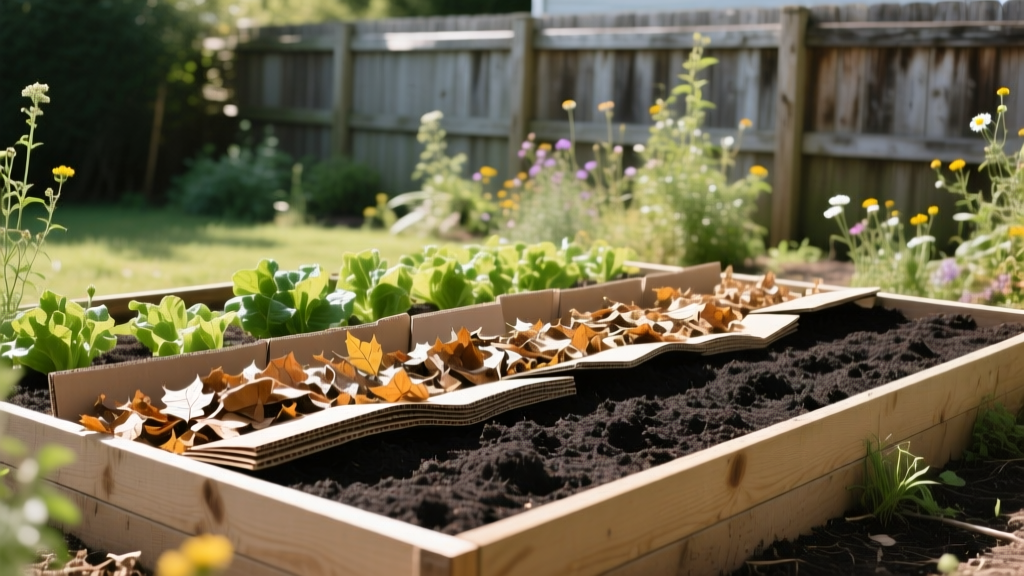
How to Build a Sustainable No-Dig Lasagna Garden Bed
Anna KowalskiPublished
Transforming a patch of weedy grass or compacted dirt into a thriving, nutrient-dense garden doesn't require a gas-powered rototiller, synthetic fertilizers, or backbreaking labor. Enter the no-dig lasagna garden bed—a sustainable, eco-friendly sheet mulching technique that mimics the natural decomposition process of a forest floor. By layering organic materials directly on top of the existing soil, you suppress weeds, sequester carbon, and cultivate a vibrant soil microbiome. Whether you are starting a new vegetable patch or rejuvenating an old flower bed, this method is a cornerstone of sustainable landscaping.
Why Ditch the Tiller for a No-Dig Approach?
Traditional tilling disrupts the complex soil food web, destroying beneficial mycorrhizal fungi networks and earthworm habitats. Furthermore, turning the soil exposes dormant weed seeds to sunlight, triggering germination and creating endless weeding chores. From an environmental perspective, tilling accelerates the decomposition of organic matter, releasing stored carbon dioxide into the atmosphere. According to the Rodale Institute, no-till and reduced-till practices significantly increase soil organic matter, improve water retention, and actively sequester carbon, making your garden a tool for climate resilience.
Lasagna gardening, or sheet mulching, achieves these benefits by smothering existing vegetation with a biodegradable weed barrier (usually cardboard) and piling alternating layers of carbon-rich and nitrogen-rich organic matter on top. As the materials break down, they create a deep, loamy, and highly fertile planting medium that requires zero digging.
Sourcing Sustainable Materials for a 4x8 Foot Bed
One of the greatest advantages of the lasagna method is that it diverts waste from landfills. To build a standard 4-foot by 8-foot garden bed (32 square feet), you will need to source the following eco-friendly materials. Estimated costs are minimal, as most materials can be scavenged for free.
- Base Layer: 4-5 large pieces of plain, uncoated corrugated cardboard. Remove all plastic tape and staples. (Source: Local appliance or furniture stores; Cost: Free)
- Nitrogen-Rich "Greens": 4-6 bags of fresh grass clippings, vegetable kitchen scraps, or spent coffee grounds. (Source: Your own lawn, local coffee shops; Cost: Free)
- Carbon-Rich "Browns": 8-10 bags of dried autumn leaves, shredded newspaper, or weed-free straw. (Source: Municipal leaf drop-offs, neighbor's curbside bags; Cost: $0-$5 per bale of straw)
- Top Layer: 10-12 cubic feet of finished organic compost or high-quality topsoil blend. (Source: Local composting facility or bulk landscape supplier; Cost: $30-$50)
The Lasagna Layering Blueprint
The success of a no-dig bed relies on balancing your carbon-to-nitrogen (C:N) ratio. The Environmental Protection Agency (EPA) recommends a balanced mix of "browns" and "greens" to ensure efficient decomposition without foul odors. Below is the structured layering chart for a bed built directly over existing turf or weeds.
| Layer Order | Material Type | Eco-Benefit & Function | Target Thickness |
|---|---|---|---|
| 1. Base | Corrugated Cardboard | Blocks sunlight to smother weeds; retains moisture; provides habitat for earthworms. | 1/4 inch (overlapping) |
| 2. Nitrogen Boost | Fresh Grass Clippings | Activates microbial decomposition; adds essential nitrogen to break down the cardboard. | 2 inches |
| 3. Carbon Bulk | Dried Autumn Leaves | Provides physical structure, prevents compaction, and slowly releases carbon. | 4 inches |
| 4. Nitrogen Boost | Coffee Grounds & Scraps | Adds micronutrients and attracts beneficial soil organisms like nematodes and fungi. | 1 inch |
| 5. Carbon Bulk | Weed-Free Straw | Traps moisture, insulates the bed, and balances the high nitrogen layers below. | 3 inches |
| 6. Planting Medium | Finished Compost | Immediate nutrient source and stable growing medium for plant roots. | 3-4 inches |
Step-by-Step Assembly Guide
Step 1: Prepare the Site
Mow the existing grass or weeds as short as possible. Do not pull the roots; leave them in the ground to decompose and add organic matter. Outline your 4x8 foot bed using a garden hose or string to ensure straight edges.
Step 2: Lay and Wet the Cardboard
Place your corrugated cardboard directly over the mowed area. Overlap the edges by at least 6 inches to prevent aggressive weeds like bindweed or bermudagrass from finding a gap. Once laid out, thoroughly soak the cardboard with a garden hose until it is completely saturated and dark. This prevents the wind from blowing it away and jumpstarts the decomposition process.
Step 3: Build the Alternating Layers
Begin adding your "greens" and "browns" according to the chart above. The crucial step here is to water every single layer as you build it. Organic matter needs moisture to break down; if the inner layers remain dry, decomposition will stall. Aim for the consistency of a wrung-out sponge.
Step 4: Cap with Compost
Finish the bed with a generous 3 to 4-inch layer of finished compost. This is the only layer your plant roots will initially interact with, so ensure it is high-quality, weed-free, and rich in microbial life. According to the University of Wisconsin-Madison Extension, allowing the bed to "cure" or settle for a few months yields the best results, though you can plant immediately into the top compost layer if necessary.
Seasonal Timing and Planting Strategies
The best time to build a lasagna garden bed is in the autumn. By using fallen leaves and end-of-season garden debris, you can build the bed for free. Over the winter and early spring, the layers will break down, shrink, and meld into a rich, dark humus that is ready for heavy-feeding crops by May.
If you must build in the spring, use a thicker top layer of compost (5-6 inches) so you have enough depth to plant immediately. For the first year, stick to shallow-rooted or transplant-friendly crops. Excellent choices include bush beans, leafy greens, radishes, and transplanting tomato or pepper starts directly into the compost layer. Avoid planting deep-rooted taproot vegetables like carrots or parsnips in year one, as the decomposing layers underneath may still be too coarse and uneven, causing forked or stunted roots.
Companion Planting for a Thriving Eco-System
To maximize the sustainability of your new no-dig bed, integrate companion planting principles. Because lasagna beds are incredibly fertile and retain moisture exceptionally well, plants grow vigorously and can be spaced slightly closer together using the "bio-intensive" method.
- The Three Sisters: Plant corn, pole beans, and squash together. The corn provides a stalk for the beans to climb, the beans fix atmospheric nitrogen into your no-dig soil, and the broad squash leaves act as a secondary "living mulch" to shade the compost and retain moisture.
- Pest Deterrents: Interplant French marigolds and nasturtiums around the borders of your bed. Nasturtiums act as a trap crop for aphids, keeping them away from your prized vegetables, while marigold roots exude compounds that deter harmful root-knot nematodes.
- Herb Integration: Tuck basil and dill between your tomato and pepper plants. These herbs attract beneficial predatory wasps that naturally manage caterpillar and aphid populations, eliminating the need for chemical pesticides.
Long-Term Maintenance and Sustainability
Maintaining a no-dig lasagna bed is remarkably easy. Because you are never turning the soil, weed seeds remain buried and dormant. Any weeds that do blow in on the wind will be incredibly easy to pull from the soft, loose compost surface.
To keep the bed productive year after year, you must "top it up." Every fall or early spring, add a 1-to-2-inch layer of fresh compost over the surface. This mimics the natural leaf-drop of a forest ecosystem and replaces the nutrients harvested by your crops. Avoid stepping on the bed at all costs; the primary cause of soil compaction is foot traffic. Design your bed to be no wider than 4 feet so you can reach the center from the pathways without ever compressing the soil structure.
Cost and Impact Comparison
Building a traditional 4x8 foot raised bed using untreated cedar lumber and filling it with bagged organic soil can easily cost upwards of $250 to $400. In contrast, a lasagna garden bed built with scavenged cardboard, municipal leaves, and bulk compost costs between $30 and $50. Beyond the financial savings, the ecological impact is profound. You are sequestering carbon, recycling local organic waste, protecting the local watershed from synthetic fertilizer runoff, and fostering a thriving underground ecosystem. By embracing the no-dig lasagna method, you are not just growing food or flowers; you are actively regenerating the earth in your own backyard.
