Gardening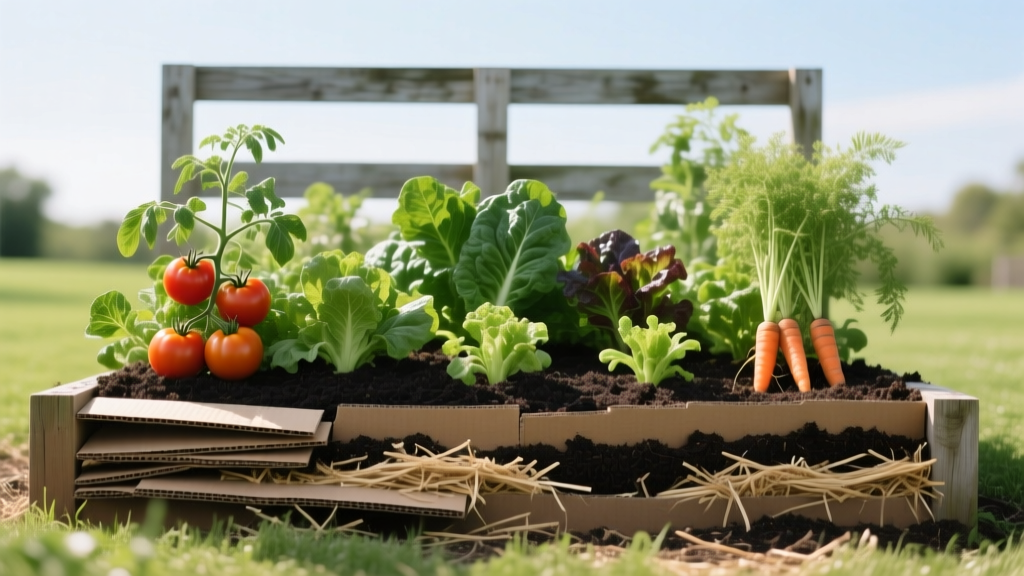
How to Build a Sustainable No-Till Raised Bed Garden
Emily WatsonPublished
Introduction to Sustainable No-Till Gardening
Gardening is a deeply rewarding endeavor that connects us to nature, but traditional gardening practices can sometimes work against the environment. For decades, the standard approach to preparing garden soil has involved aggressive tilling and turning. However, a growing movement of eco-conscious gardeners and regenerative farmers are embracing the no-till method. Building a sustainable no-till raised bed garden is one of the most effective ways to cultivate a thriving, high-yield vegetable patch while simultaneously sequestering carbon, conserving water, and protecting the delicate soil microbiome.
The no-till approach mimics natural forest floors, where organic matter decomposes on the surface, slowly feeding the earth below. By utilizing a technique often referred to as 'lasagna gardening' or sheet mulching, you can build incredibly fertile raised beds without ever breaking your back or destroying the soil structure. This guide will walk you through the environmental science, material sourcing, and step-by-step construction of an eco-friendly no-till raised bed.
The Environmental Cost of Traditional Tilling
To understand why no-till gardening is a superior sustainable method, we must first look at what happens when we till. Rototilling pulverizes soil aggregates, destroying the intricate network of mycorrhizal fungi and earthworm tunnels that naturally aerate the earth and deliver nutrients to plant roots. Furthermore, tilling exposes dormant weed seeds to sunlight, triggering massive germination events that require further intervention.
From a climate perspective, tilling is highly detrimental. According to the USDA Natural Resources Conservation Service, minimizing soil disturbance is a core principle of soil health because it prevents the rapid oxidation of organic matter. When soil is turned, trapped carbon is released into the atmosphere as carbon dioxide. The Food and Agriculture Organization (FAO) emphasizes that healthy, undisturbed soils are the foundation of sustainable food systems and act as a critical carbon sink. By adopting no-till methods in your home garden, you are actively participating in climate-friendly agriculture on a micro level.
Planning and Sourcing Eco-Friendly Materials
A standard, highly efficient raised bed measures 4 feet wide by 8 feet long, with a depth of 12 inches. The 4-foot width ensures you can reach the center of the bed from either side without ever stepping on the soil, which prevents compaction—the primary enemy of no-till systems.
Sustainable Lumber Choices
Avoid pressure-treated wood, which can leach copper and other chemicals into your organic soil. Instead, opt for naturally rot-resistant, untreated woods like Western Red Cedar or Black Locust. Alternatively, recycled high-density polyethylene (HDPE) composite boards offer a lifelong, chemical-free alternative that keeps plastic out of landfills.
Eco-Friendly Cost Breakdown
Building a sustainable garden does not have to break the bank. By sourcing local and recycled materials, you can keep costs remarkably low:
- Untreated Cedar Boards (two 2x12x8): $45
- Untreated Cedar Boards (two 2x12x4): $25
- Stainless Steel Corner Brackets & Screws: $15
- Uncoated Cardboard: Free (sourced from local appliance or grocery stores)
- Organic Compost (10 cubic feet): $40 (or free if sourced from municipal recycling centers)
- Arborist Wood Chips: Free (sourced from local tree trimming services via community boards)
- Organic Alfalfa Meal (Nitrogen boost): $15
- Drip Irrigation Kit: $35
- Total Estimated Cost: ~$175
The Lasagna Layering Method: Building the Soil
The core of the no-till raised bed is the lasagna layering method. Instead of filling the bed entirely with expensive bagged topsoil, you build a biologically active soil profile from the ground up using carbon-rich (brown) and nitrogen-rich (green) materials. This method suppresses weeds, retains moisture, and creates a slow-release nutrient factory.
| Layer Order | Material Type | Thickness | Eco-Friendly Purpose |
|---|---|---|---|
| 1 (Base) | Uncoated Cardboard | 1-2 overlapping sheets | Smothering existing grass/weeds, attracting deep-burrowing earthworms. |
| 2 | Alfalfa Meal & Green Waste | 1 inch | Provides an immediate nitrogen source to kickstart microbial decomposition. |
| 3 | Leaves, Straw, or Grass Clippings | 4-6 inches | Bulk carbon material that creates air pockets and slowly breaks down into humus. |
| 4 | Finished Organic Compost | 4-6 inches | The primary planting medium, rich in beneficial bacteria and immediate nutrients. |
| 5 (Top) | Arborist Wood Chips | 2 inches | Protective mulch layer that prevents evaporation, regulates temperature, and feeds fungi. |
Step-by-Step Assembly
- Prepare the Site: Mow the grass or weeds inside the 4x8 footprint as short as possible. Do not dig or till.
- Assemble the Frame: Secure your cedar or composite boards using the stainless steel brackets. Place the frame directly over the mowed area.
- Lay the Cardboard: Cover the entire bottom with overlapping sheets of plain, uncoated cardboard (remove all plastic tape and staples). Wet the cardboard thoroughly with a hose. This moisture barrier signals to earthworms that it is safe to migrate upward and begin aerating the subsoil.
- Add the Nitrogen Layer: Sprinkle your organic alfalfa meal or fresh grass clippings over the wet cardboard. This prevents nitrogen tie-up as the carbon layers begin to decompose.
- Pile the Carbon: Add your straw, dried leaves, or shredded yard waste. Water this layer deeply.
- Top with Compost: Add your finished organic compost. This is where your plant roots will live for the first season.
- Mulch the Surface: Apply the arborist wood chips, keeping them an inch away from the direct stems of any transplants you install.
Water Conservation in No-Till Beds
Sustainability in the garden extends beyond soil health; it heavily involves water conservation. The lasagna method naturally retains water like a sponge due to the high organic matter content, but you can optimize this further with eco-friendly irrigation.
Install a drip irrigation system beneath the top layer of wood chip mulch. Drip lines deliver water directly to the root zone, reducing evaporation by up to 50% compared to overhead sprinklers. For an even more sustainable, off-grid approach, consider burying terracotta ollas (unglazed clay pots) in the compost layer. When filled with water, the porous clay slowly weeps moisture into the surrounding soil only when the soil begins to dry out, utilizing ancient, zero-waste irrigation technology.
Sustainable Maintenance and Cover Cropping
Once your no-till bed is established, the goal is to never disturb the soil again. When harvesting root crops like carrots or radishes, loosen the soil gently with a broadfork rather than turning it. When annual crops like tomatoes or peppers die back at the end of the season, do not pull them out by the roots. Instead, cut them off at the soil line with pruning shears. The remaining roots will decompose in place, leaving behind organic matter and microscopic channels for water and air.
To protect the soil during the off-season, plant cover crops. The Rodale Institute has demonstrated that utilizing cover crops in no-till systems is vital for preventing erosion and fixing atmospheric nitrogen. In the fall, broadcast seeds of crimson clover, hairy vetch, or winter rye over your compost layer. In the spring, simply chop these cover crops down and leave them on the surface as a 'green manure' mulch before planting your summer vegetables directly into the residue.
Conclusion
Transitioning to a sustainable no-till raised bed garden is a profound shift in how we interact with the earth. By abandoning the rototiller and embracing the lasagna layering method, you create a resilient, self-fertilizing ecosystem that requires less water, fewer inputs, and significantly less physical labor over time. Not only will your vegetable yields increase year over year as the soil food web matures, but you will also have the peace of mind knowing your backyard garden is actively sequestering carbon and protecting the local environment.
