Gardening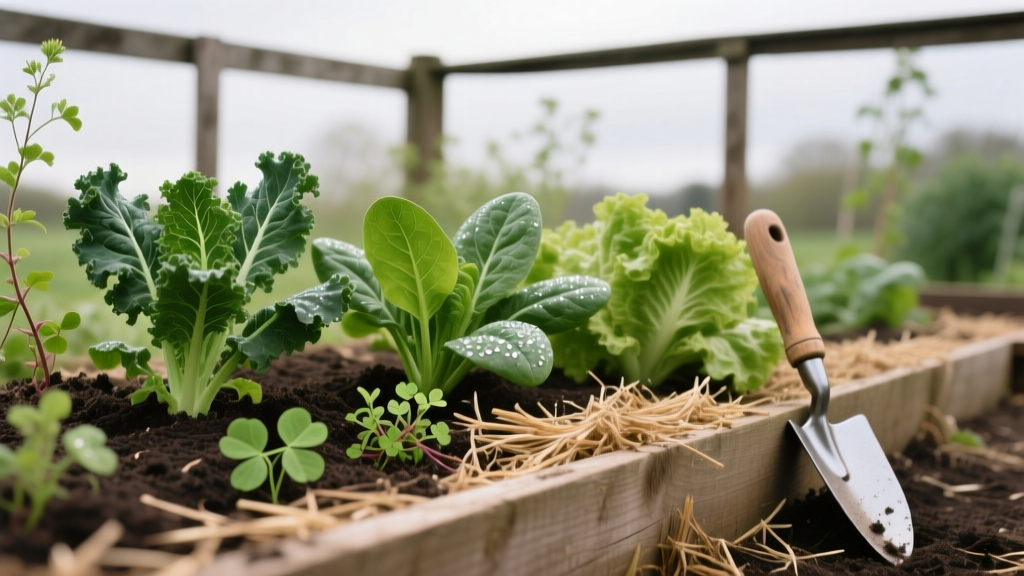
How to Start a Sustainable No-Till Vegetable Garden
Mike RodriguezPublished
The Shift Toward Sustainable No-Till Gardening
For generations, the standard practice for preparing a vegetable garden has been to fire up a rototiller and aggressively churn the soil. While tilling might create a visually appealing, fluffy seedbed in the short term, it is fundamentally at odds with sustainable, eco-friendly gardening. The modern ecological gardening movement is rapidly embracing no-till methods to protect the soil food web, sequester carbon, and drastically reduce the need for synthetic fertilizers and herbicides.
By mimicking the natural processes found in undisturbed ecosystems like forests and prairies, no-till gardening builds resilient, living soil. According to the USDA Natural Resources Conservation Service, minimizing soil disturbance is one of the four core principles of soil health, essential for maintaining the complex underground networks of fungi, bacteria, and microarthropods that naturally feed your plants.
The Hidden Ecological Costs of Tilling
Before diving into how to build a no-till garden, it is crucial to understand why traditional tilling is detrimental to long-term sustainability:
- Carbon Release: Tilling introduces a massive influx of oxygen into the soil, which accelerates the decomposition of organic matter. This process releases stored carbon dioxide into the atmosphere, contributing to greenhouse gas emissions.
- Destruction of Mycorrhizal Networks: Beneficial mycorrhizal fungi form symbiotic relationships with plant roots, extending their reach to scavenge water and phosphorus. The mechanical shearing action of a tiller destroys these delicate fungal hyphae, leaving plants dependent on external fertilizer inputs.
- Weed Seed Germination: Millions of dormant weed seeds lie buried in the soil profile. Tilling brings these seeds to the surface and exposes them to sunlight, triggering massive, synchronized weed flushes that require hours of backbreaking hoeing or chemical herbicides to manage.
- Soil Compaction and Erosion: Ironically, while the top few inches of tilled soil appear loose, the weight of the tractor or tiller creates a hardpan layer just below the surface. This restricts deep root growth and makes the bare topsoil highly susceptible to wind and water erosion.
Soil Testing and Targeted Top-Dressing
Because you are no longer using a tiller to mix amendments deeply into the soil profile, a no-till system relies on top-dressing and the natural vertical movement of earthworms and water to distribute nutrients. Before building your beds, send a soil sample to your local university cooperative extension for a comprehensive baseline test.
Based on the results, broadcast eco-friendly, slow-release amendments directly onto the soil surface before laying your cardboard and compost. Excellent sustainable choices include:
- Kelp Meal (1-0.5-2.5 NPK): Provides essential trace minerals and natural growth hormones to stimulate root development. Apply at a rate of 1 pound per 100 square feet.
- Rock Phosphate: A mined mineral essential for flowering and fruiting crops like tomatoes and peppers. It releases slowly over several years, preventing the nutrient runoff associated with synthetic fertilizers.
- Oyster Shell Flour: An excellent source of bioavailable calcium, which prevents blossom end rot in squash and tomatoes while buffering acidic soils.
Step-by-Step: Building a No-Till Vegetable Bed
Transitioning to a no-till system is surprisingly accessible and cost-effective. The most popular method for home gardeners is sheet mulching, which allows you to build fertile beds directly over existing lawn or weeds without digging.
Timing and Materials
The best time to establish a no-till bed is in the early fall, allowing the materials to break down over the winter. However, you can also build beds in early spring, 4 to 6 weeks before your intended planting date.
Materials Needed:
- Plain brown corrugated cardboard (remove all plastic tape and glossy labels)
- Finished organic compost (1 cubic yard covers approximately 100 square feet at a 3-inch depth)
- Straw or seed-free hay for mulch
- Water source
The Construction Process
- Mow and Prep: Mow the existing grass or weeds as short as possible. Leave the clippings exactly where they fall; they will decompose and add nitrogen to the base layer.
- Lay the Cardboard: Overlap sheets of cardboard by at least 6 inches to prevent aggressive weeds like bermudagrass or bindweed from finding a gap. Wet the cardboard thoroughly with a hose so it conforms to the soil contours and begins to break down.
- Apply Compost: Spread a 3-inch layer of high-quality, finished compost directly on top of the wet cardboard. This is your planting medium and biological inoculant.
- Top with Mulch: Apply a 3-to-4-inch layer of straw over the compost. This protects the compost from UV degradation, retains moisture, and provides a habitat for beneficial ground beetles.
Cost Breakdown: Cardboard is often free from local appliance or bicycle shops. Bulk compost typically costs between $30 and $50 per cubic yard, while a bale of straw averages $8 to $12. For a 4x10 foot raised bed area, your total investment is usually under $60, significantly cheaper than buying lumber for a wooden raised bed frame.
Comparison Chart: Tilling vs. No-Till Gardening
| Feature | Traditional Tilling | Sustainable No-Till |
|---|---|---|
| Soil Structure | Destroys aggregates; creates hardpan | Improves aggregation and porosity |
| Weed Pressure | High (exposes dormant seeds) | Low (seeds remain buried and suppressed) |
| Water Retention | Poor (rapid evaporation from bare soil) | Excellent (mulch and organic matter hold moisture) |
| Carbon Footprint | Releases stored soil carbon | Sequesters atmospheric carbon |
| Labor Requirements | High (annual heavy machinery use, weeding) | Front-loaded setup, very low ongoing maintenance |
Integrating Cover Crops for Closed-Loop Fertility
A cornerstone of eco-friendly gardening is ensuring the soil is never left bare. When a vegetable crop finishes in late summer, planting a cover crop prevents nutrient leaching, suppresses winter weeds, and adds organic matter without the need for external compost inputs.
According to the Cornell University Cover Crop Guide, selecting the right species depends on your climate zone and garden goals:
- Winter Rye and Hairy Vetch (Zones 4-7): Sown in late September or early October. The vetch is a legume that hosts Rhizobia bacteria, pulling nitrogen from the air and fixing it into the soil. The rye provides a massive root system that breaks up compaction and scavenges leftover nitrogen.
- Crimson Clover (Zones 6-9): An excellent winter annual that produces stunning red blooms in early spring, providing crucial early-season forage for native pollinators before your summer crops flower.
- Buckwheat (Summer Fallow): If you have a bed sitting empty for 6 weeks in the heat of summer, broadcast buckwheat. It grows rapidly, shades out weeds, and its flowers attract predatory wasps that control tomato hornworms and aphids.
Terminating Cover Crops Without Herbicides
In sustainable systems, cover crops must be terminated before they go to seed. Instead of using synthetic herbicides or tilling them in, use the crimping method. Three weeks before you plan to plant your summer crops, use a string trimmer to cut the cover crop down to the soil surface, or step on the stems with a heavy board. Leave the dead plant material on the surface as a thick, nutrient-rich mulch, and plant your vegetable transplants directly through the residue.
Managing Pests and Diseases in Undisturbed Soil
Many gardeners worry that no-till methods will harbor pests and soil-borne diseases. In reality, the opposite is true. Tilling destroys the habitat of beneficial predatory insects. Undisturbed, mulch-covered soil provides an ideal overwintering habitat for ground beetles, rove beetles, and wolf spiders. These predators are voracious consumers of slug eggs, cutworms, and aphid larvae.
Furthermore, the diverse microbial life in a no-till system acts as a natural immune system for your plants. Beneficial bacteria and fungi compete with and parasitize pathogenic organisms like Fusarium wilt and Pythium root rot. The Rodale Institute's Farming Systems Trial has repeatedly demonstrated that organically managed, low-disturbance soils have significantly higher populations of disease-suppressing microbes compared to conventionally tilled soils.
Long-Term Yield Expectations and Patience
When transitioning to a no-till system, patience is required. In the first year, your yields may be slightly lower than those in a heavily fertilized, tilled garden. This is because the soil food web is in a state of recovery; the microbial populations are shifting from bacterial dominance to fungal dominance, which better supports heavy-feeding vegetable crops.
By years three through five, the benefits compound dramatically. Gardeners consistently report that no-till beds require 50 percent less irrigation during summer droughts due to the sponge-like water retention of the accumulated organic matter. The compost and decaying root exudates provide a slow, steady release of nutrients, eliminating the boom-and-bust cycle of synthetic fertilizers and resulting in denser, more nutrient-rich vegetables.
Conclusion: Gardening for the Future
Adopting a sustainable no-till method is more than just a labor-saving gardening technique; it is a profound shift in how we interact with the earth. By keeping the soil covered, minimizing disturbance, and fostering biological diversity, home gardeners can transform their backyards into active carbon sinks and thriving wildlife habitats. Put away the tiller, lay down the cardboard, and let nature's microscopic workforce do the heavy lifting for your vegetable garden.
