Tree Care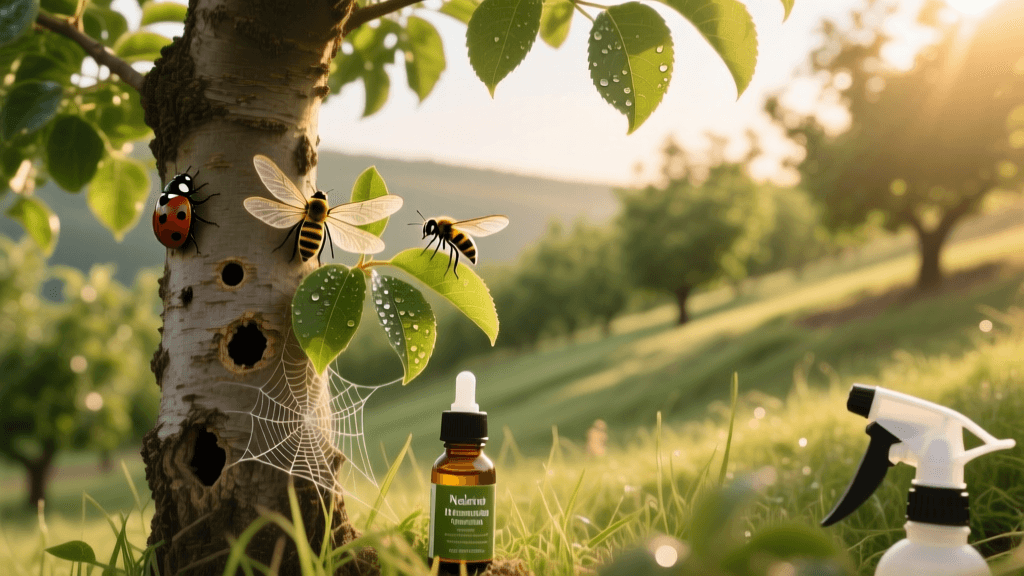
Eco-Friendly Tree Pest Control: Organic & Sustainable Methods
The Hidden Cost of Synthetic Pesticides
For decades, the default response to tree pests—from aphids and scale insects to destructive borers—has been the application of harsh synthetic pesticides. While these chemicals may offer a quick knockdown of pest populations, they come with a severe environmental toll. Synthetic systemics, such as neonicotinoids, are absorbed into the tree's vascular system, making every leaf, flower, and drop of nectar toxic to essential pollinators like bees and butterflies. Furthermore, these chemicals often leach into the soil, disrupting the delicate mycorrhizal fungal networks that trees rely on for nutrient and water absorption.
As homeowners and land managers become more environmentally conscious, the shift toward sustainable arboriculture is accelerating. Eco-friendly tree pest control focuses on long-term ecosystem balance rather than short-term eradication. By embracing organic treatments and biological controls, you can protect your canopy while preserving the local biodiversity.
Understanding Integrated Pest Management (IPM)
The cornerstone of sustainable tree care is Integrated Pest Management (IPM). According to the Environmental Protection Agency (EPA), IPM is not a single pest control method but a series of evaluations, decisions, and controls. It focuses on understanding the life cycle of pests and their interaction with the environment, using this information to manage pest damage by the most economical means, and with the least possible hazard to people, property, and the environment.
An eco-friendly IPM strategy for trees involves four main steps:
- Monitoring and Identification: Correctly identifying the pest and assessing whether the damage is actually severe enough to warrant intervention. A few aphids on an oak tree, for instance, are a natural food source for local bird populations and rarely require treatment.
- Prevention: Maintaining optimal tree health through proper mulching, deep root watering, and avoiding soil compaction. Stressed trees emit volatile organic compounds (VOCs) that actively attract boring insects.
- Biological Controls: Introducing or encouraging natural predators to manage pest populations.
- Organic Chemical Controls: Using naturally derived, low-toxicity sprays only when biological and cultural methods are insufficient.
Organic Sprays: Neem Oil and Horticultural Oils
When intervention is necessary, organic oils are the frontline defense in a sustainable tree care arsenal. Unlike synthetic neurotoxins, these oils work through physical and biological disruption, meaning pests cannot develop genetic resistance to them.
Cold-Pressed Neem Oil
Derived from the seeds of the neem tree, cold-pressed neem oil contains Azadirachtin, a compound that disrupts the hormonal systems of insects, preventing them from molting and reproducing. It also acts as an antifeedant, making the tree's foliage unpalatable to chewing insects like caterpillars and Japanese beetles.
The National Pesticide Information Center (NPIC) notes that neem oil is practically non-toxic to birds, mammals, and bees, provided it is applied correctly. Because it can harm bees if sprayed directly on them, the golden rule of neem oil application is timing: always spray at dusk or dawn when pollinators are inactive.
- Product Recommendation: Monterey Neem Oil or Bonide Neem Oil (Cold-pressed is vital; clarified hydrophobic neem oil lacks Azadirachtin).
- Mixing Ratio: 1 to 2 tablespoons of neem oil per gallon of water, plus 1 teaspoon of mild liquid castile soap as an emulsifier.
- Application Timing: Every 7 to 14 days during active infestations; apply in the early evening.
- Estimated Cost: $15 to $25 for a 16 oz concentrate, which yields dozens of gallons of spray.
Horticultural Dormant Oils
For overwintering pests like scale insects, spider mites, and aphid eggs, highly refined mineral-based horticultural oils are incredibly effective. Applied during the tree's dormant season (late winter, just before bud break), these oils smother the eggs and overwintering adults hiding in the bark crevices. Because the tree has no leaves, there is zero risk of phytotoxicity (leaf burn), and pollinators are not yet active.
Biological Controls: Unleashing Beneficial Insects
Nature has its own pest control workforce. By fostering a habitat for beneficial insects, you can create a self-regulating ecosystem in your yard. The Arbor Day Foundation emphasizes that a diverse landscape naturally keeps pest populations in check without human intervention.
Key Beneficial Insects for Tree Care
- Ladybugs (Coccinellidae): Both adult ladybugs and their larvae are voracious consumers of aphids, scale insects, and mites. A single ladybug can consume up to 5,000 aphids in its lifetime.
- Green Lacewings: Often called 'aphid lions,' lacewing larvae are aggressive predators that inject digestive enzymes into soft-bodied pests, effectively liquefying them.
- Parasitic Wasps (Trichogramma species): These microscopic, non-stinging wasps lay their eggs inside the eggs of destructive caterpillars, such as the gypsy moth or tent caterpillar, neutralizing the threat before it hatches.
Actionable Tip: To keep these beneficial insects in your yard, plant 'insectary' borders around your trees. Herbs like dill, cilantro, yarrow, and sweet alyssum provide the nectar and pollen that adult predatory insects need to sustain themselves when pest populations are low.
Soil Health: The Foundation of Tree Immunity
Eco-friendly pest control begins underground. A tree with a robust, biologically active soil food web can naturally fend off severe damage and even produce chemical defenses against borers and sucking insects. Synthetic fertilizers often provide a quick flush of nitrogen that results in weak, sappy growth—the exact type of tissue that aphids and borers prefer.
Instead, top-dress the root zone (extending to the drip line) with organic compost and apply a layer of arborist wood chips. This mimics the natural forest floor, retaining moisture, regulating soil temperature, and feeding beneficial soil microbes. Avoid 'volcano mulching' (piling mulch against the trunk), which invites fungal pathogens and root-girdling.
Comparison Chart: Organic vs. Synthetic Treatments
Understanding the trade-offs between conventional and sustainable methods is crucial for making informed landscaping decisions. The table below contrasts the impacts of common tree pest treatments.
| Treatment Type | Active Ingredient | Cost (Approx.) | Impact on Pollinators | Soil Health Impact |
|---|---|---|---|---|
| Synthetic Systemic | Imidacloprid | $20 - $40 | High Toxicity (Systemic) | Negative (Harms microbes) |
| Organic Foliar | Cold-Pressed Neem Oil | $15 - $25 | Low (Safe if applied at dusk) | Neutral / Positive |
| Dormant Oil | Refined Mineral Oil | $20 - $35 | None (Dormant season) | Neutral |
| Biological Control | Ladybugs / Lacewings | $15 - $30 (batch) | Positive (Supports food web) | Positive |
| Botanical Soap | Insecticidal Potash Soap | $10 - $20 | Low (Only on direct contact) | Neutral |
Your Sustainable Tree Care Seasonal Calendar
To implement an eco-friendly pest management strategy, follow this seasonal schedule:
- Early Spring: Inspect bark for overwintering pest eggs. Release Trichogramma wasps if caterpillar infestations were a problem the previous year. Apply compost tea to the root zone to boost microbial activity.
- Late Spring / Early Summer: Monitor the undersides of leaves for aphid colonies. If populations are high and natural predators are absent, apply a potassium-based insecticidal soap spray. Ensure trees receive deep, infrequent watering to reduce drought stress.
- Mid-Summer: Avoid heavy pruning, which stimulates vulnerable new growth. Use neem oil sprays at dusk for localized outbreaks of spider mites or scale. Maintain a 2-to-3-inch layer of organic mulch to conserve soil moisture.
- Late Fall / Winter: Rake and destroy fallen leaves that harbor fungal spores or overwintering pupae. Apply horticultural dormant oil just before the buds begin to swell in late winter to smother scale insects and mite eggs.
'A healthy tree is a resilient tree. By shifting our focus from chemical eradication to ecological balance, we not only save our trees from pests but also protect the water, soil, and wildlife that make our landscapes thrive.' — Sustainable Arboriculture Guidelines
Conclusion
Transitioning to eco-friendly tree pest control requires a shift in mindset. It demands patience, observation, and a willingness to work alongside nature rather than against it. While synthetic chemicals might offer the illusion of a sterile, pest-free environment, organic methods like neem oil, dormant sprays, and biological controls build a robust, living ecosystem. By prioritizing soil health, encouraging beneficial insects, and utilizing targeted, low-toxicity treatments, you ensure that your trees remain majestic, healthy, and safe for generations to come.