Tree Care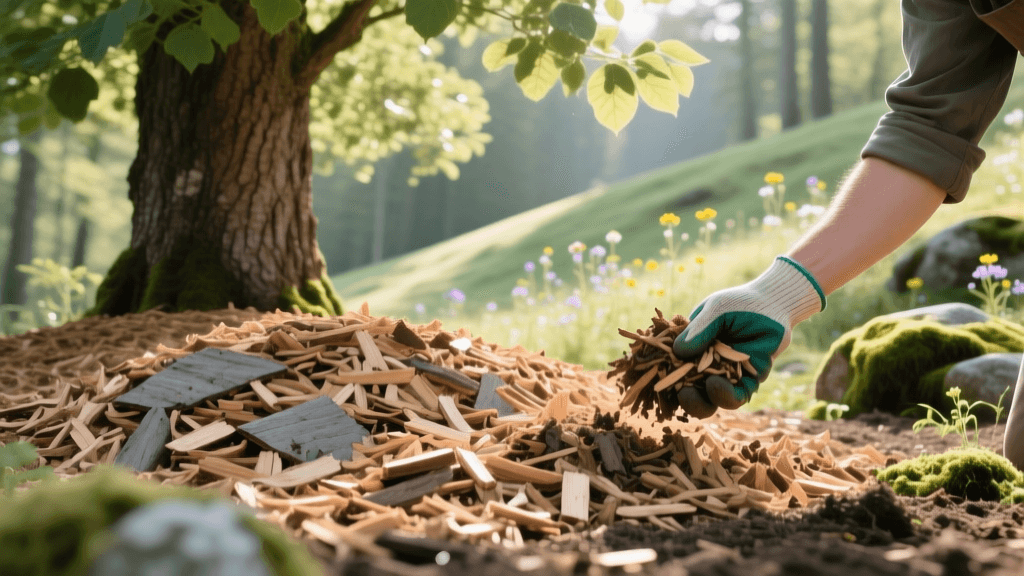
Eco-Friendly Tree Mulching: Sustainable Materials and Techniques
Introduction to Eco-Friendly Tree Mulching
When it comes to sustainable landscaping and tree care, mulching is one of the most impactful practices you can adopt. However, not all mulches are created equal. Traditional landscaping often relies on dyed wood chips, synthetic rubber, or heavily processed bagged mulches that contribute to plastic waste, carbon emissions from transport, and soil degradation. Eco-friendly tree mulching focuses on utilizing local, organic, and untreated materials that mimic the natural forest floor, fostering a thriving soil food web while protecting your trees from environmental stress.
Transitioning to sustainable mulching methods is not just about aesthetics; it is a fundamental shift toward regenerative land management. By choosing the right materials and applying them correctly, you can drastically reduce your garden's water consumption, suppress weeds without harmful herbicides, and sequester carbon in your soil. This comprehensive guide will walk you through the best eco-friendly mulching materials, proper application techniques, and sustainable sourcing methods to keep your trees healthy and your landscape in harmony with nature.
The Hidden Dangers of Synthetic and Dyed Mulches
Before diving into sustainable alternatives, it is crucial to understand why conventional mulches can be detrimental to tree health and the environment. Dyed mulches—often colored black, red, or brown—are frequently made from recycled construction waste, including pallets and pressure-treated wood. These materials can leach heavy metals and chemical preservatives like Chromated Copper Arsenate (CCA) into the soil, harming beneficial soil microbes and mycorrhizal fungi.
Furthermore, synthetic rubber mulch, marketed as a "permanent" solution, is essentially shredded tires. It does not decompose to feed the soil, can overheat in direct sunlight (cooking shallow tree roots), and slowly releases microplastics and volatile organic compounds (VOCs) into the environment. True eco-friendly tree care requires abandoning these products in favor of biodegradable, organic matter that actively contributes to the ecosystem.
The Ecological Benefits of Sustainable Mulching
Organic, untreated mulches provide a multitude of ecological benefits that extend far beyond simple weed suppression. When applied correctly, sustainable mulch acts as a slow-release fertilizer and a protective buffer for the root zone.
- Moisture Retention and Water Conservation: A proper layer of organic mulch reduces soil surface evaporation by up to 70%, significantly lowering your irrigation needs and protecting trees during drought conditions.
- Temperature Regulation: Mulch acts as an insulating blanket, keeping soil temperatures cooler in the scorching summer and warmer during freezing winter nights, which prevents frost heaving and root damage.
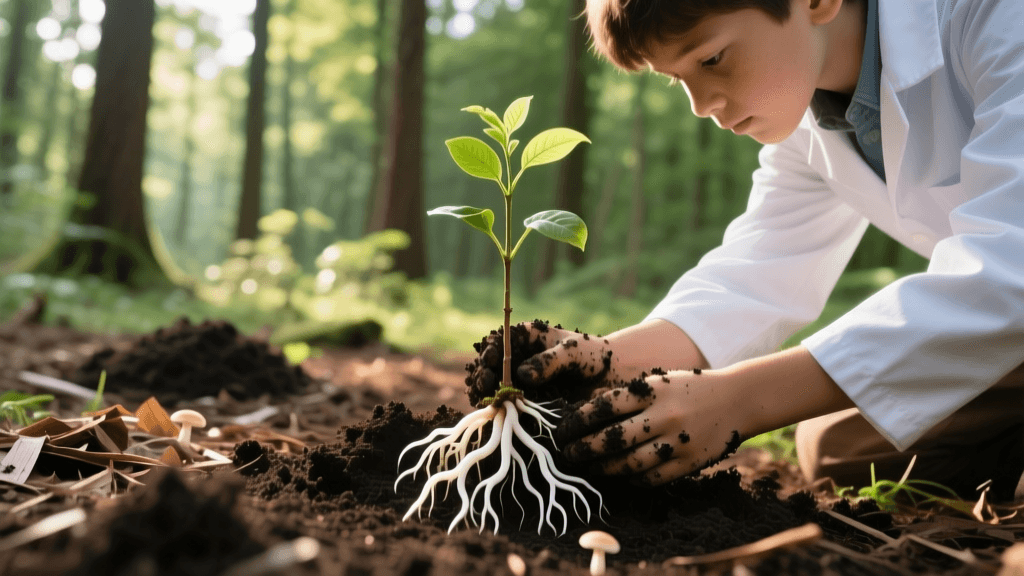
- Soil Food Web Support: As organic mulch decomposes, it feeds earthworms, beneficial nematodes, and mycorrhizal fungi. These organisms form symbiotic relationships with tree roots, extending their reach and improving nutrient uptake.
- Erosion Control and Soil Structure: Mulch absorbs the impact of heavy rainfall, preventing soil compaction and topsoil runoff, while gradually improving soil aeration and drainage as it breaks down.
According to research published by the Penn State Extension, maintaining a consistent layer of organic mulch around trees can increase radial growth rates and significantly improve overall tree vigor compared to trees grown in bare soil or turfgrass.
Comparing Sustainable Mulch Materials
Choosing the right eco-friendly mulch depends on your local climate, soil type, and the specific needs of your trees. Below is a comparison of the most sustainable options available to home gardeners and arborists.
| Material | Eco-Benefits | Drawbacks | Best Application |
|---|---|---|---|
| Arborist Wood Chips | Recycles local green waste, excellent moisture retention, feeds soil food web over a long period. | Can mat if applied too thick; may temporarily tie up surface nitrogen during initial decomposition. | Mature trees, large landscape beds, woodland pathways. |
| Pine Straw | Highly renewable, allows water penetration, prevents erosion on slopes, lightweight. | Acidifies soil slightly, breaks down quickly requiring annual top-ups, can be a fire hazard in dry zones. | Acid-loving trees (pines, oaks, magnolias), sloped terrain. |
| Shredded Leaves | 100% free, high nutrient density, mimics the natural forest floor perfectly. | Can blow away if not shredded, may smother grass or small perennials if applied too thick. | Perennial beds, young tree establishment zones, vegetable gardens. |
| Compost | Rich in diverse microbes, immediate nutrient availability, improves soil structure rapidly. | Does not suppress weeds well on its own, can burn roots if fresh or un-cured. | Soil amendment before planting, top-dressing under a coarser mulch layer. |
For the most sustainable approach, prioritize materials that are generated as byproducts of local land management rather than products grown or manufactured specifically for mulching.
The "Donut" Method: Proper Application Techniques
Even the most eco-friendly mulch can harm a tree if applied incorrectly. The most common mistake in tree care is "volcano mulching," where mulch is piled high against the trunk. This traps moisture against the bark, leading to rot, inviting fungal pathogens, and encouraging girdling roots. The University of Minnesota Extension strongly advises keeping mulch away from the trunk to prevent these fatal issues.
To apply mulch sustainably and safely, follow the "Donut" method:
- Clear the Base: Remove any grass, weeds, or old, matted mulch from a 3-foot radius around the trunk (or as far out as the drip line for mature trees).
- Create the Gap: Keep all mulch materials at least 3 to 6 inches away from the actual trunk flare. The root flare should always be visible and exposed to the air.
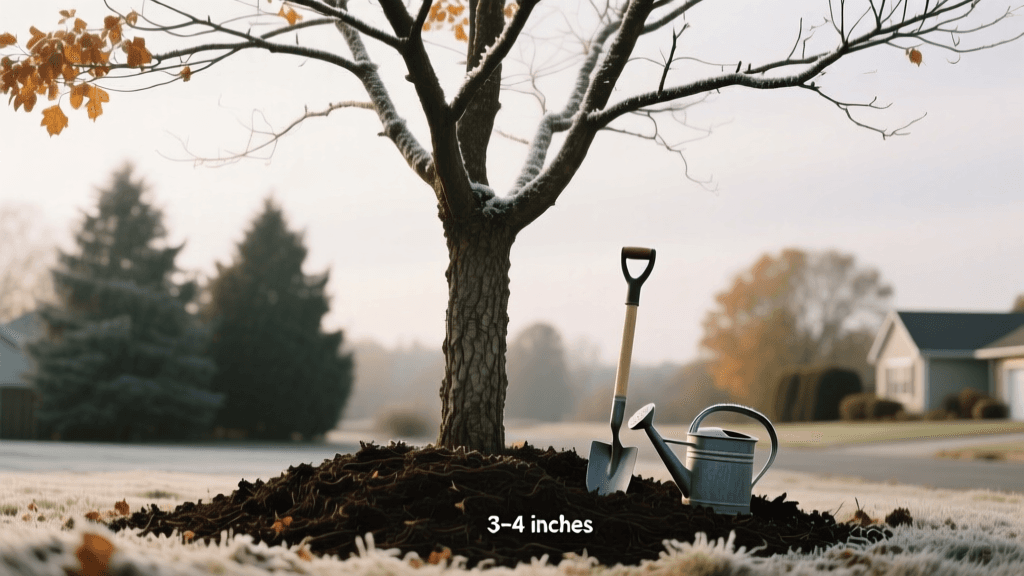
- Apply the Right Depth: Spread your chosen organic mulch evenly to a depth of 2 to 4 inches. If using fine materials like shredded leaves or compost, stick to 2 inches to prevent water from being blocked. For coarse arborist chips, 3 to 4 inches is ideal.
- Feather the Edges: Taper the outer edge of the mulch ring down to ground level to integrate seamlessly with the surrounding landscape and prevent runoff.
Sheet Mulching: An Eco-Friendly Alternative to Landscape Fabric
Many gardeners use woven plastic landscape fabric under mulch to suppress weeds. From an ecological standpoint, this is a poor choice. Plastic fabric blocks gas exchange between the soil and the atmosphere, prevents earthworms from reaching the surface, and eventually degrades into microplastics that contaminate the soil. Furthermore, weeds inevitably blow in on top of the fabric, rooting into the degraded mulch layer and becoming nearly impossible to pull.
Instead, utilize sheet mulching (also known as lasagna composting) to smother weeds naturally. This technique builds soil health while eliminating the need for toxic herbicides or synthetic barriers.
- Step 1: Mow existing weeds or grass as short as possible.
- Step 2: Lay down overlapping sheets of plain, uncoated corrugated cardboard (remove all plastic tape and staples). Wet the cardboard thoroughly so it conforms to the soil and begins to break down.
- Step 3: Add a 1-inch layer of high-quality compost directly over the wet cardboard to introduce beneficial microbes.
- Step 4: Top with 3 inches of arborist wood chips or shredded leaves. The cardboard will smother the weeds and decompose within a year, leaving behind rich, aerated topsoil.
Sourcing Mulch Sustainably and Cost-Effectively
The sustainability of your mulch is also tied to its carbon footprint. Bagged mulches from big-box stores are often packaged in single-use plastics and shipped across the country, burning fossil fuels to transport heavy, water-logged wood. To mulch sustainably, source your materials locally.
One of the best ways to obtain free, eco-friendly arborist wood chips is through local tree care companies. Arborists are constantly looking for places to drop off chipped brush from pruning and removal jobs. Platforms like ChipDrop connect homeowners directly with local arborists, allowing you to receive a massive, free load of fresh, untreated wood chips while saving the arborist a dump fee. This creates a closed-loop, zero-waste system that benefits your soil and the local environment.
Additionally, check with your local municipal waste management facility. Many cities collect yard waste and compost it into high-quality mulch or compost that is available to residents for free or at a very low cost. By utilizing municipal compost, you are actively participating in your community's circular economy.
Seasonal Maintenance and Refreshing
Sustainable tree care is about working with natural cycles, not against them. Never remove old, decomposing mulch from your tree rings. As the bottom layers break down into humus, they improve the soil structure. Removing this layer destroys the habitat you have worked hard to build for beneficial soil organisms.
Instead of replacing mulch, practice "top-dressing." In the spring or late fall, simply rake the existing mulch to break up any hydrophobic mats or fungal crusts, and add a fresh 1-inch layer of new material on top to maintain the optimal 3-inch depth. This conserves resources, saves money, and ensures a continuous food supply for your tree's root system.
Conclusion
Eco-friendly tree mulching is a cornerstone of sustainable landscape management. By abandoning synthetic fabrics and dyed woods in favor of local, organic materials like arborist chips and shredded leaves, you transform your tree rings into thriving ecological hubs. Proper application techniques, such as the Donut method and sheet mulching, protect tree health while building resilient, carbon-rich soil. Embrace these sustainable practices to ensure your trees remain vigorous, drought-resistant, and deeply rooted in a healthy, living ecosystem for generations to come.