Tree Care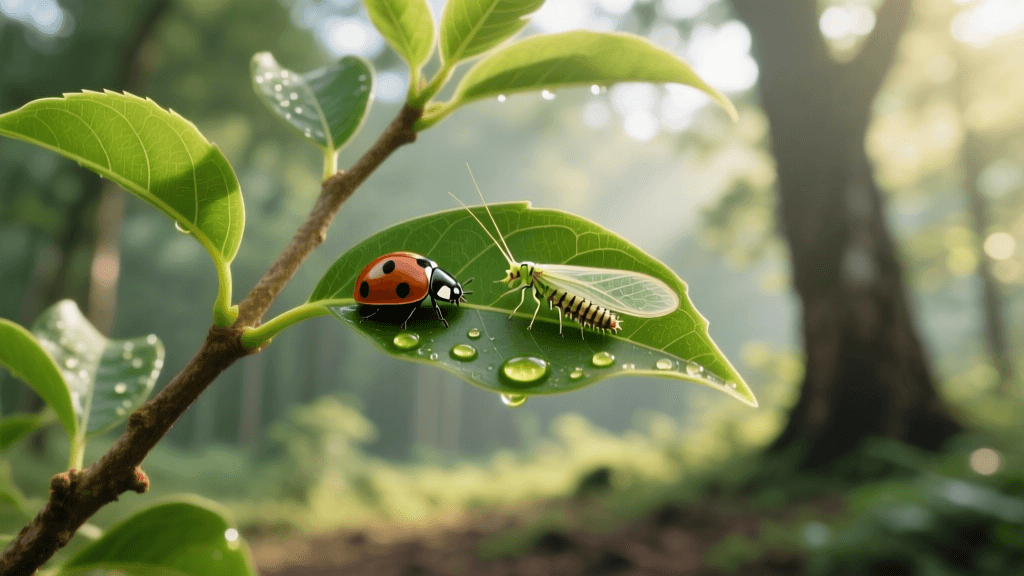
Sustainable Tree Pest Control Using Biological Methods
Introduction to Sustainable Tree Pest Management
Trees are the backbone of any sustainable landscape, providing shade, sequestering carbon, and supporting local ecosystems. However, when pests like aphids, scale insects, and spider mites invade, many homeowners instinctively reach for broad-spectrum synthetic pesticides. While these chemicals may offer a quick fix, they come at a severe environmental cost: degrading soil health, harming vital pollinators, and disrupting the natural predator-prey balance. Transitioning to eco-friendly tree pest control is not just about avoiding toxins; it is about fostering a resilient landscape where trees can naturally defend themselves.
In this comprehensive guide, we will explore sustainable, eco-friendly methods for managing tree pests. By leveraging Integrated Pest Management (IPM), biological controls, and organic botanical sprays, you can protect your ornamental and shade trees while preserving the delicate balance of your local ecosystem.
The Core Principles of Eco-Friendly IPM
Integrated Pest Management (IPM) is a science-based, sustainable approach to managing pests. According to the Environmental Protection Agency (EPA), IPM focuses on long-term prevention of pests or their damage through a combination of techniques such as biological control, habitat manipulation, and modification of cultural practices. Pesticides are used only after monitoring indicates they are needed according to established guidelines, and treatments are made with the goal of removing only the target organism.
An eco-friendly IPM strategy for trees involves four distinct tiers:
- Monitoring and Identification: Regularly inspecting your trees and accurately identifying the pest. Not all insects are harmful; many are beneficial predators.
- Prevention: Maintaining tree vigor through proper watering, mulching, and soil care to prevent infestations before they start.
- Biological and Mechanical Control: Introducing natural predators or using physical barriers and water blasts to dislodge pests.
- Targeted Organic Treatment: Using botanical oils and soaps only when pest populations exceed acceptable thresholds.
Identifying Common Tree Pests for Targeted Treatment
Before applying any treatment, accurate identification is crucial. Misidentifying a pest can lead to ineffective treatments and unnecessary environmental disruption. The three most common sap-sucking pests that afflict ornamental trees are:
1. Aphids
Aphids are small, soft-bodied insects that cluster on new growth and the undersides of leaves. They excrete a sticky substance called honeydew, which attracts ants and promotes the growth of black sooty mold. While a few aphids are harmless, massive outbreaks can stunt tree growth and cause leaf curl.
2. Scale Insects
Scale insects appear as small, immobile bumps on branches and twigs. They are divided into armored scales (which secrete a hard, protective cover) and soft scales (which produce honeydew). Armored scales are particularly difficult to treat once their protective shell forms, making timing essential.
3. Spider Mites
Though technically arachnids, spider mites are a major tree pest, especially during hot, dry weather. They cause stippling (tiny yellow dots) on leaves and may produce fine webbing between branches. They thrive in dusty conditions and on drought-stressed trees.
Biological Controls: Nature’s Workforce
Biological control involves using living organisms to suppress pest populations. By introducing or encouraging natural predators, you create a self-regulating ecosystem in your yard.
Convergent Lady Beetles (Ladybugs)
Ladybugs are voracious aphid predators. A single adult ladybug can consume up to 50 aphids a day. You can purchase live convergent lady beetles (Hippodamia convergens) from garden centers or online biological suppliers. Cost: Approximately $15 to $30 for a bag of 1,500 ladybugs. Application Timing: Release them at dusk or early evening. Pro-Tip: Water the tree canopy thoroughly before release; ladybugs are thirsty after shipping and will fly away in search of water if the environment is dry.
Green Lacewings
While adult lacewings feed on nectar, their larvae—often called aphid lions—are aggressive predators of aphids, mites, and small caterpillars. Cost: Around $25 for 1,000 eggs. Application Timing: Release eggs in the early spring when pest populations first begin to emerge. Distribute the eggs in the crotches of tree branches where they are protected from rain and direct sun.
Parasitic Wasps
Minute parasitic wasps, such as Aphidius colemani, lay their eggs inside aphids. The developing wasp larva consumes the aphid from the inside out, leaving behind a swollen, tan mummy. You can attract these native wasps by planting nectar-rich flowers like yarrow, dill, and sweet alyssum near your trees.
A sustainable landscape does not aim to eradicate all pests, but rather to maintain them at levels that do not cause significant damage to the host tree. A few aphids are necessary to sustain the beneficial predator populations that protect your landscape. — University of Minnesota Extension
Organic and Botanical Sprays: Application Guide
When biological controls are insufficient and pest populations threaten the structural integrity or health of the tree, organic sprays offer a highly effective, low-toxicity intervention. Unlike synthetic neurotoxins, these botanical options break down rapidly in the environment and leave no toxic soil residue.
Cold-Pressed Neem Oil
Neem oil, extracted from the seeds of the neem tree, contains azadirachtin, a compound that disrupts the life cycle of insects at all stages (egg, larva, adult). It also acts as an anti-feedant. Product Recommendation: Bonide Neem Oil or Garden Safe Neem Oil Extract. Mixing Ratio: Mix 1 fluid ounce of cold-pressed neem oil and 1/2 teaspoon of mild liquid castile soap (as an emulsifier) per 1 gallon of water. Application: Spray thoroughly on all leaf surfaces, including the undersides, during the early morning or late evening to prevent leaf burn and avoid spraying when bees are actively foraging.
Insecticidal Soaps
Insecticidal soaps are potassium salts of fatty acids that work on contact by penetrating the soft outer shell of pests like aphids and mites, causing them to dehydrate. Product Recommendation: Safer Brand Insect Killing Soap or Natria Insecticidal Soap. Mixing Ratio: Typically 2.5 fluid ounces per 1 gallon of water (always check the specific product label). Application: Requires direct contact with the pest. Apply every 7 to 10 days as needed. Do not apply when temperatures exceed 90°F, as this can cause phytotoxicity (leaf burn) on sensitive tree species like maples and dogwoods.
Dormant Horticultural Oils
For overwintering pests like scale insects and mite eggs, dormant horticultural oil is the gold standard. Applied in late winter or early spring before bud break, it smothers overwintering pests and eggs. Product Recommendation: Bonide All Seasons Horticultural & Dormant Insect Spray. Mixing Ratio: 2.5 to 5 fluid ounces per 1 gallon of water for dormant application. Application Timing: Apply when temperatures are above freezing but before the tree breaks dormancy and shows green tissue.
Comparison Chart: Eco-Friendly Tree Pest Treatments
| Treatment Type | Active Ingredient | Target Pests | Estimated Cost | Best Application Time | Pollinator Safety |
|---|---|---|---|---|---|
| Convergent Lady Beetles | Live Predators | Aphids, Mites, Mealybugs | $15 - $30 (1,500 count) | Early Evening (Spring/Summer) | Highly Safe (Beneficial) |
| Cold-Pressed Neem Oil | Azadirachtin | Aphids, Scale, Whiteflies | $15 - $25 (16 oz bottle) | Dusk or Dawn (Growing Season) | Safe when dry (Avoid direct spray) |
| Insecticidal Soap | Potassium Salts of Fatty Acids | Aphids, Spider Mites | $10 - $15 (32 oz spray) | Morning (Below 90°F) | Safe when dry (Avoid direct spray) |
| Dormant Oil | Highly Refined Petroleum/Mineral Oil | Overwintering Scale, Mite Eggs | $12 - $18 (32 oz bottle) | Late Winter (Pre-Bud Break) | Highly Safe (No foliage/bees present) |
Cultural Practices for Long-Term Tree Resilience
The most effective eco-friendly pest control begins beneath the soil surface. Trees that are culturally stressed emit volatile organic compounds (VOCs) that actually attract secondary pests like bark beetles and borers. The Arbor Day Foundation emphasizes that proper cultural care is the first line of defense against severe pest damage.
Sustainable Mulching Techniques
Apply a 2-to-4-inch layer of organic wood chip mulch around the base of the tree, extending out to the drip line if possible. Mulch retains soil moisture, regulates temperature, and suppresses weeds. Crucially, avoid volcano mulching—piling mulch against the tree trunk. This traps moisture against the bark, leading to rot and inviting fungal pathogens and boring insects. Keep the mulch 3 inches away from the trunk flare.
Avoid High-Nitrogen Synthetic Fertilizers
Synthetic, high-nitrogen fertilizers force rapid, succulent new growth. This soft tissue is highly attractive to aphids and spider mites, who find it easier to pierce and richer in amino acids. Instead, top-dress your tree's root zone with 1 inch of screened organic compost in the fall. Compost releases nutrients slowly and builds the soil food web.
Building a Resilient Soil Microbiome
A tree's immune system is deeply intertwined with the soil microbiome. Mycorrhizal fungi form symbiotic relationships with tree roots, extending their reach to absorb water and phosphorus while receiving sugars from the tree. Trees with robust mycorrhizal networks are significantly more resistant to drought stress and subsequent pest invasions. When planting new trees or treating declining ones, consider applying a granular mycorrhizal inoculant directly to the root zone. By focusing on the holistic health of the tree and its surrounding environment, you eliminate the need for harsh chemicals, ensuring your landscape remains vibrant, sustainable, and ecologically balanced for decades to come.