Tree Care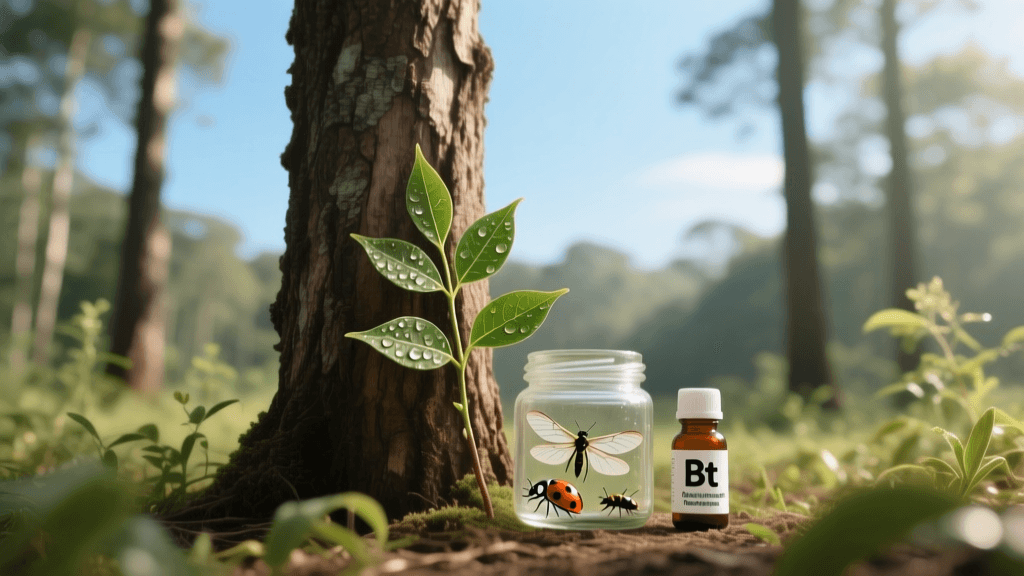
Eco-Friendly Tree Pest Control: Sustainable Alternatives
The Hidden Cost of Synthetic Pesticides
For decades, the default response to a tree pest infestation has been the application of broad-spectrum synthetic pesticides. While these chemical interventions may offer a quick fix, their long-term impact on the local ecosystem is devastating. Synthetic chemicals, particularly neonicotinoids, do not discriminate between destructive pests and vital pollinators. They leach into the soil, disrupt the delicate mycorrhizal fungal networks that trees rely on for nutrient uptake, and run off into local waterways.
According to the Xerces Society for Invertebrate Conservation, the widespread use of systemic insecticides has been directly linked to the precipitous decline in native bee populations and other beneficial insects. Transitioning to eco-friendly tree pest control is not just a preference for organic gardening; it is a critical step in preserving local biodiversity and ensuring the long-term health of your landscape trees.
Core Principles of Eco-Friendly Tree Pest Management
Sustainable tree care relies heavily on Integrated Pest Management (IPM). The Environmental Protection Agency (EPA) defines IPM as a science-based, common-sense approach that utilizes current, comprehensive information on the life cycles of pests and their interaction with the environment. Rather than aiming for total eradication, eco-friendly IPM focuses on keeping pest populations below economically and aesthetically damaging thresholds using the least toxic methods first.
The hierarchy of eco-friendly pest control includes:
- Cultural Controls: Proper watering, mulching, and pruning to maintain tree vigor and natural resistance.
- Mechanical Controls: Physical barriers, trapping, or manually removing egg masses and infested branches.
- Biological Controls: Introducing or encouraging natural predators and parasitoids.
- Botanical and Biorational Pesticides: Using naturally derived, low-toxicity sprays only when absolutely necessary.
Top Sustainable Pest Control Treatments
When cultural and mechanical methods are insufficient, eco-conscious arborists turn to biorational pesticides. These products break down quickly in the environment and have minimal impact on non-target organisms when applied correctly.
1. Cold-Pressed Neem Oil (Azadirachtin)
Neem oil is extracted from the seeds of the neem tree and contains azadirachtin, a compound that disrupts the life cycle of insects at all stages (egg, larvae, and adult). It acts as an antifeedant, hormone disruptor, and suffocant. According to the National Pesticide Information Center (NPIC), neem oil is practically non-toxic to birds, mammals, and bees once it has dried.
- Target Pests: Aphids, spider mites, whiteflies, scale insects, and leafhoppers.
- Preparation & Application: Mix 2 tablespoons of 100% cold-pressed neem oil with 1 gallon of water and 1/2 teaspoon of mild liquid Castile soap (as an emulsifier). Shake vigorously.
- Timing: Apply at dusk or dawn to avoid leaf burn and to minimize contact with foraging bees. Spray thoroughly, covering the undersides of leaves.
- Cost: $15 to $25 per 16 oz bottle of cold-pressed concentrate, which can yield up to 15 gallons of spray.
2. Bacillus thuringiensis var. kurstaki (Btk)
Btk is a naturally occurring soil bacterium that produces proteins toxic to the larvae of specific moths and butterflies. When caterpillars ingest treated foliage, the proteins crystallize in their alkaline gut, causing them to stop feeding and die within a few days. It is entirely harmless to humans, pets, birds, and beneficial insects.
- Target Pests: Gypsy moth caterpillars, tent caterpillars, bagworms, and leafrollers.
- Preparation & Application: Mix 1 to 1.5 teaspoons of Btk concentrate per gallon of water. Apply using a pump sprayer to ensure complete canopy coverage.
- Timing: Timing is critical. Btk must be applied when caterpillars are young (early instars) and actively feeding. It degrades rapidly in sunlight, so reapply every 7 to 10 days during peak hatch.
- Cost: $10 to $15 per 8 oz bottle of liquid concentrate.
3. Dormant Horticultural Oils
Horticultural oils are highly refined petroleum or plant-based oils designed to smother overwintering insects and their eggs. By blocking their spiracles (breathing pores), the oil causes asphyxiation. Because it leaves no toxic residue, it is a cornerstone of sustainable winter tree care.
- Target Pests: Overwintering aphid eggs, scale insects, spider mites, and mealybugs.
- Preparation & Application: Dilute according to label instructions, typically 2 to 4 tablespoons per gallon of water.
- Timing: Apply in late winter or early spring when daytime temperatures are consistently above 40°F but before the tree breaks bud. Applying after bud break can damage emerging foliage.
- Cost: $20 to $30 per gallon of ready-to-use or concentrate oil.
4. Spinosad
Spinosad is derived from the fermentation of the soil-dwelling bacterium Saccharopolyspora spinosa. It affects the insect nervous system, causing paralysis and death. It is highly effective against chewing pests but must be used with slight caution regarding pollinators.
- Target Pests: Tree borers, beetles, thrips, and sawflies.
- Preparation & Application: Mix 4 tablespoons per gallon of water. Spray affected areas thoroughly.
- Timing: Apply in the late evening. Spinosad is toxic to bees when wet, but once the spray has completely dried (usually within 3 hours), it poses minimal risk to foraging pollinators.
- Cost: $20 to $30 per 16 oz bottle.
Biological Controls: Recruiting Nature's Army
A truly sustainable landscape manages pests by fostering a balanced food web. Instead of spraying, encourage natural predators to do the work for you.
- Ladybugs and Lacewings: Both are voracious predators of aphids and mites. Attract them by planting native understory flowers like yarrow, dill, and sweet alyssum near your trees.
- Parasitic Wasps: Tiny, non-stinging wasps lay their eggs inside or on destructive caterpillars and borers. Avoid broad-spectrum sprays to protect these vital allies.
- Birds: Woodpeckers, chickadees, and nuthatches consume thousands of tree-boring insects and overwintering larvae. Install birdhouses and provide winter suet to keep these feathered pest controllers in your yard year-round.
Comparison Chart: Eco-Friendly Tree Pest Treatments
| Treatment | Target Pests | Application Timing | Avg. Cost | Pollinator Safety |
|---|---|---|---|---|
| Neem Oil | Aphids, Mites, Whiteflies | Evening, active infestations | $15-$25 / 16oz | Safe when dry |
| Btk | Caterpillars, Leafrollers | Early morning, larvae stage | $10-$15 / 8oz | Highly Safe |
| Dormant Oil | Scale, Aphid eggs | Late winter / Early spring | $20-$30 / Gallon | Safe (no blooms) |
| Spinosad | Borers, Beetles, Thrips | Evening, active feeding | $20-$30 / 16oz | Toxic wet, safe dry |
Seasonal Eco-Friendly Tree Care Schedule
To maintain a sustainable pest management program, align your treatments with the natural rhythms of the seasons.
- Late Winter (Dormancy): Prune out heavily infested or dead branches. Apply dormant horticultural oil to smother overwintering scale and aphid eggs. Clean up fallen debris to remove habitats for fungal spores and overwintering pests.
- Early Spring (Bud Swell): Monitor for early caterpillar hatches (like tent caterpillars). Apply Btk immediately upon noticing young larvae. Install sticky bands around tree trunks to catch crawling pests like cankerworms.
- Late Spring to Summer (Active Growth): Inspect the undersides of leaves weekly for aphid colonies or spider mite webbing. Spot-treat with neem oil or insecticidal soap at dusk. Ensure trees are deeply watered during droughts, as water-stressed trees emit volatile organic compounds that attract borers and beetles.
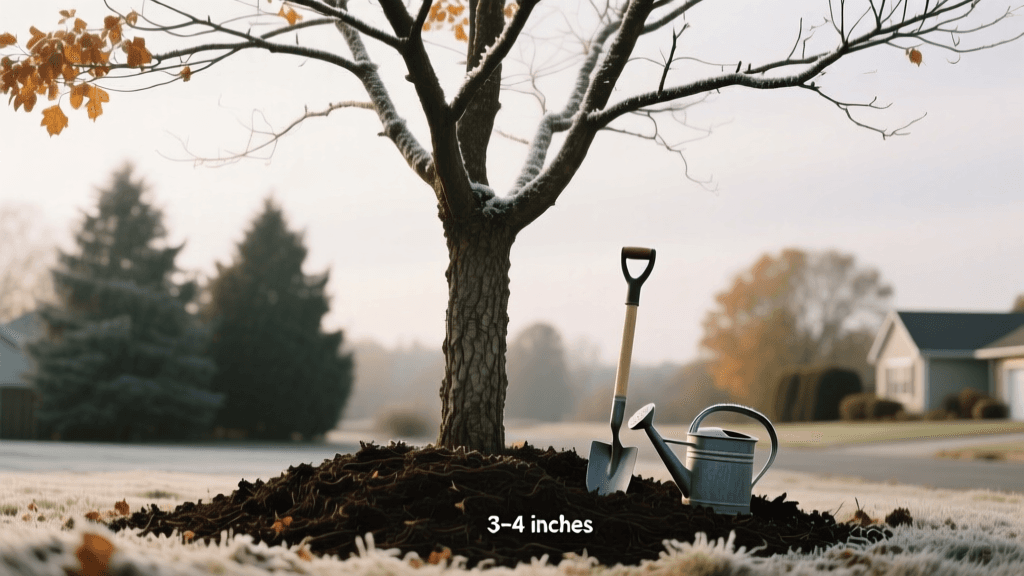
- Fall (Senescence): Rake and compost fallen leaves to break the life cycle of foliar diseases and leaf-mining insects. Apply a layer of organic arborist wood chip mulch (no more than 3 inches deep, kept away from the trunk) to insulate roots and encourage beneficial soil microbes that outcompete root-rot pathogens.
Conclusion
Transitioning to eco-friendly tree pest control requires a shift in mindset—from reactive chemical warfare to proactive ecosystem management. By utilizing biorational treatments like neem oil and Btk, applying dormant oils, and fostering biological controls, you can effectively protect your trees without sacrificing the health of your local environment. Sustainable arboriculture ensures that your trees remain robust, your soil remains alive, and your garden remains a safe haven for the pollinators and wildlife that make our landscapes thrive.