Tree Care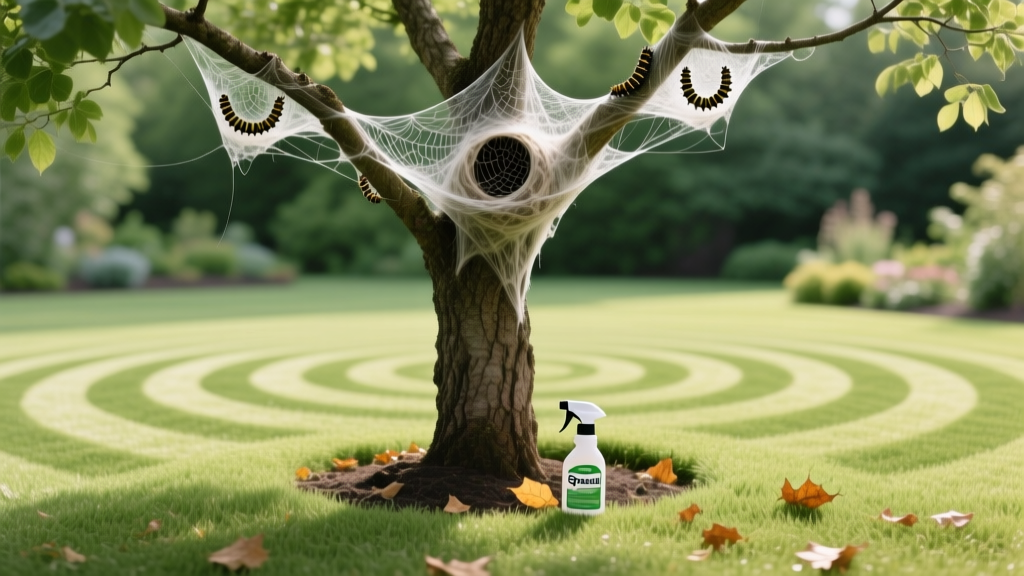
2026 Tent Caterpillar Spinosad & Tree Mowing Guide
Robert HayesPublished
Integrated Tree and Lawn Care: The 2026 Approach
In the modern landscape, maintaining a pristine lawn and a healthy tree canopy are not separate disciplines; they are deeply interconnected. As we navigate the 2026 growing season, homeowners and landscape professionals are increasingly adopting Integrated Pest Management (IPM) strategies that address both turf and tree health simultaneously. One of the most common springtime challenges is the Eastern Tent Caterpillar (Malacosoma americanum), a defoliating pest that builds unsightly silken webs in the crotches of fruit and ornamental trees. While treating the canopy is essential, how you manage the lawn beneath the tree—specifically your mowing techniques, patterns, and clipping management—plays a critical role in the overall success of your pest control efforts and the long-term vitality of the tree's root system.
This comprehensive guide explores the intersection of canopy pest management and precision turf care. We will detail the most effective methods for tent caterpillar web removal, the strategic application of Spinosad treatments, and the specific mowing patterns required to protect your tree's critical root zone while ensuring your lawn remains immaculate.
Identifying and Removing Tent Caterpillar Webs
Eastern tent caterpillars emerge in early spring, typically coinciding with the blooming of crabapples and wild cherries. Unlike fall webworms that build tents at the tips of branches, tent caterpillars construct their silken mats in the main crotches and branches of the tree. These webs serve as a protective barrier against predators and harsh weather, allowing the larvae to feed on surrounding foliage and retreat to safety. According to the University of Minnesota Extension, severe infestations can completely defoliate a tree, forcing it to expend vital energy reserves to produce a second flush of leaves, which severely weakens the tree's overall vigor.
Physical Web Removal Techniques
Before reaching for chemical or biological treatments, physical removal remains a highly effective first line of defense, especially for smaller trees or localized infestations. In 2026, arborists recommend the following manual removal techniques:
- The Stick and Twirl Method: Use a long wooden dowel or pruning pole to reach the web. Insert the tip into the center of the silk tent and twirl it, wrapping the webbing and the caterpillars around the pole. Dispose of the mass in a sealed bag of soapy water.
- Pruning: If the web is located on a small, non-essential branch, use sterilized bypass pruners to snip the branch entirely. This is best done in the early morning or late evening when the caterpillars are resting inside the tent.
- Avoid Fire: Never use a torch to burn the webs out of the tree. The intense heat will damage the tree's cambium layer and invite secondary wood-boring pests, causing far more damage than the caterpillars themselves.
Spinosad Treatment: The 2026 Biological Standard
When physical removal is impractical due to tree height or the severity of the infestation, Spinosad is the gold standard for biological control in 2026. Derived from the fermentation of the soil-dwelling actinomycete Saccharopolyspora spinosa, Spinosad is highly lethal to leaf-eating caterpillars while remaining relatively safe for mammals and most beneficial insects once it has dried. The National Pesticide Information Research Center (NPIC) notes that Spinosad works by overstimulating the insect's nervous system, leading to paralysis and death within 48 hours of ingestion or direct contact.
Application Timing and Pollinator Safety
The most critical aspect of using Spinosad is protecting native pollinators, particularly bees. While Spinosad is highly toxic to bees when wet, it becomes virtually non-toxic once it dries on the leaf surface. Therefore, all canopy applications must be performed at dusk or in the late evening when bees are no longer foraging. Ensure your sprayer is calibrated to deliver a fine mist that thoroughly coats the foliage surrounding the web, as the caterpillars must ingest the treated leaves for the product to be fully effective.
The Intersection: Mowing Patterns Around Treated Trees
Here is where lawn care and tree care converge. When you spray a Spinosad treatment high into the canopy, gravity and wind dictate that some overspray, drip, and frass (caterpillar droppings containing the biological agent) will fall onto the turf below. Furthermore, trees stressed by defoliation require an undisturbed, well-aerated root zone to recover. Your mowing techniques must adapt to accommodate both the chemical treatment and the tree's biological needs.
The Drip Line Rule and Mower Blight
The 'drip line' is the outer edge of the tree's canopy, directly above the most active, water-absorbing roots. In 2026, professional landscapers strictly enforce the 'No-Mow Zone' inside the drip line for stressed trees. Repeatedly driving heavy zero-turn mowers over this area causes severe soil compaction, suffocating the very roots the tree needs to push out new foliage after a caterpillar attack.
Moreover, getting too close to the trunk invites 'mower blight'—damage to the lower bark caused by mower decks and string trimmers. The International Society of Arboriculture (ISA) heavily advocates for establishing a wide mulch ring around the base of the tree. By maintaining a 3-to-4-foot radius of organic mulch around the trunk, you eliminate the need to mow near the bark entirely, preventing mechanical wounds that serve as entry points for fungal pathogens.
Strategic Mowing Patterns for Soil Health
When mowing the turf just outside the mulch ring, your mowing pattern matters. Avoid tight, concentric circles around the tree. Continuous turning in the same direction creates a 'shear zone' in the soil, tearing surface roots and compacting the earth in a circular trench. Instead, utilize straight-line passes that extend outward from the tree, lifting the mower deck slightly as you approach the mulch ring to prevent 'scalping' the turf on uneven ground. If you are using a modern 2026 RTK GPS-guided robotic mower, program a virtual exclusion zone that encompasses the entire drip line, ensuring the machine never compacts the critical root zone or disturbs the soil while the Spinosad treatment is active.
Managing Grass Clippings Post-Treatment
Should you mulch or bag your grass clippings after a Spinosad canopy treatment? Spinosad breaks down rapidly in sunlight and binds tightly to soil particles, rendering it inactive in the thatch layer. Therefore, standard mulching mowers are perfectly safe to use 24 hours after the application has dried. However, if a heavy rainstorm occurs immediately after your evening application, significant Spinosad runoff may wash onto the grass. In this specific scenario, bagging the clippings for the first mow post-storm is recommended to prevent concentrating the biological agent in your compost pile, where it could inadvertently affect beneficial composting insects.
2026 Spinosad Product Comparison Chart
Selecting the right formulation is key to effective canopy penetration and adherence. Below is a comparison of the top Spinosad products available to homeowners and professionals in 2026:
| Product (2026 Formulations) | Spinosad Concentration | Rainfast Period | Best Application Tool |
|---|---|---|---|
| Captain Jack's Deadbug Brew | 0.5% | 6 Hours | Hose-end Sprayer |
| Monterey Garden Insect Spray | 0.5% | 6 Hours | Pump Sprayer |
| Ferti-lome Borer & Bagworm Killer | 0.5% | 4 Hours | Backpack Sprayer |
Step-by-Step Spring Action Plan
To seamlessly integrate your lawn mowing schedule with your tree care regimen, follow this chronological action plan for the spring season:
- Week 1 (Early Bud Break): Inspect cherry, apple, and crabapple trees for early silken tents. Use the stick-and-twirl method for physical removal. Apply a fresh 3-inch layer of mulch around the tree base, keeping it 3 inches away from the trunk bark.
- Week 2 (First Sightings): If webs are too high to reach, prepare your Spinosad treatment. Mow the lawn using straight-line patterns outside the drip line to minimize soil compaction before the ground becomes overly saturated with spring rains.
- Week 3 (Treatment Evening): Apply Spinosad at dusk. Ensure no rain is in the 6-hour forecast. Suspend robotic mowing schedules for 24 hours to allow the product to dry completely and prevent the mower tires from tracking wet residue across the lawn.
- Week 4 (Recovery Phase): Resume normal mowing patterns. Mulch your grass clippings to return nitrogen to the soil, aiding the tree's root system in supporting the new leaf flush. Monitor the canopy for secondary hatches and spot-treat if necessary.
Conclusion
Effective landscape management in 2026 requires looking beyond the surface of the turf and into the branches above. Tent caterpillars can rapidly strip a tree of its energy-producing foliage, but with prompt web removal and targeted Spinosad treatments, the canopy can be saved. By coupling these arboricultural practices with intelligent, root-conscious mowing patterns and proper clipping management, you ensure that both your lawn and your legacy trees thrive in harmony throughout the growing season and beyond.
