Tree Care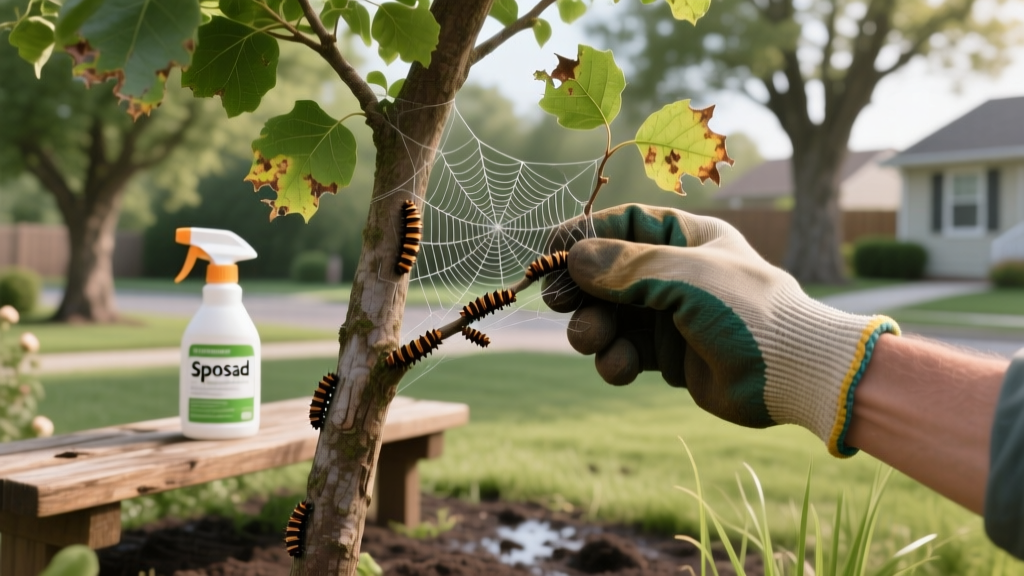
2026 Tent Caterpillar Guide: Web Removal & Spinosad Treatment
Sarah ChenPublished
Strategic Tree Selection and Planting for Pest Resistance
When planning your landscape in 2026, the intersection of tree selection and proactive pest management has never been more critical. Tent caterpillars (Malacosoma species) remain one of the most visually alarming and defoliating pests for homeowners and arborists alike. While they rarely kill mature, healthy trees outright, severe infestations can stunt growth, ruin the aesthetic of your property, and leave young, newly planted trees vulnerable to secondary diseases and environmental stress. The most effective way to manage tent caterpillars begins long before the first web appears: it starts with intelligent tree selection and proper planting techniques.
As a leading authority on lawn and garden care, we have compiled this comprehensive 2026 guide focusing on tent caterpillar web removal and Spinosad treatment. By choosing the right species, planting them with optimal spacing for airflow, and utilizing targeted biological controls like Spinosad, you can maintain a thriving, resilient landscape.
2026 Tree Selection Chart: Susceptibility and Alternatives
Tent caterpillars, particularly the Eastern Tent Caterpillar (Malacosoma americanum), have distinct preferences. They overwhelmingly target trees in the rose family, especially wild cherries, apples, and crabapples. If you are planting a new orchard or ornamental garden in 2026, consider the susceptibility chart below to make informed decisions.
| Tree Species | Susceptibility Level | 2026 Planting Recommendations |
|---|---|---|
| Wild Black Cherry (Prunus serotina) | Very High | Avoid planting near ornamental apples; inspect weekly in early spring. |
| Crabapple (Malus spp.) | High | Ensure minimum 15-foot spacing for canopy airflow to deter nesting. |
| Apple (Malus domestica) | High | Use dormant oil sprays in late winter before planting companion shrubs. |
| Oak (Quercus spp.) | Low | Excellent alternative canopy tree; highly resistant to tent caterpillars. |
| Maple (Acer spp.) | Very Low | Ideal for shade and street planting; rarely targeted by Malacosoma. |
| Dogwood (Cornus spp.) | Low | Great understory tree; plant in partial shade to maintain vigor. |
Proper Planting Techniques to Deter Infestations
Selecting a resistant species is only half the battle. How you plant and establish your trees in 2026 will dictate their long-term health and ability to withstand pest pressure. Tent caterpillars thrive in dense, unpruned canopies where wind and natural predators cannot easily penetrate.
Spacing and Airflow
When planting susceptible species like crabapples or cherries, adhere strictly to mature canopy width guidelines. Overcrowding creates a microclimate that protects caterpillar tents from harsh winds and rain. Maintain a minimum clearance of 10 to 15 feet between the canopies of mature trees. This airflow not only discourages web-building but also reduces the incidence of fungal diseases like powdery mildew and apple scab.
Site Preparation and Mulching
Proper mulching retains soil moisture and regulates temperature, reducing transplant shock and promoting rapid establishment. However, avoid the 'volcano mulching' trend. Keep mulch at least 4 inches away from the tree trunk to prevent bark rot and rodent damage. A healthy, vigorously growing tree can tolerate minor defoliation far better than a stressed, newly planted sapling.
Identifying Tent Caterpillar Webs and Damage
Before initiating any web removal or Spinosad treatment, accurate identification is essential. Eastern Tent Caterpillars build their silken webs in the crotches of branches (where the branch meets the trunk). In contrast, Forest Tent Caterpillars do not build tents at all; they create silken mats on the bark and feed in groups. Fall Webworms, another common pest, build their webs at the very tips of the branches later in the summer.
According to University of Kentucky Entomology, Eastern Tent Caterpillars emerge in early spring, coinciding with the blooming of crabapples and wild cherries. The larvae feed voraciously for about six weeks before pupating. Catching them early, when the webs are small and the larvae are clustered, is the key to successful management.
Manual Tent Caterpillar Web Removal Techniques
For young trees or localized infestations, mechanical removal is the most environmentally friendly and immediate solution. In 2026, arborists continue to recommend manual removal as the first line of defense before resorting to chemical or biological treatments.
Step-by-Step Web Removal
- Timing: Remove webs in the early morning or late evening when the caterpillars are clustered inside the tent. During the heat of the day, they may be out on the leaves feeding.
- The Stick Method: Insert the end of a long stick or broom handle into the center of the web and twist. The silk will wrap around the stick, allowing you to pull the entire web and the caterpillars out of the tree.
- Pruning Shears: If the web is located on a small, non-structural outer branch, use clean, sterilized pruning shears to snip the branch off entirely.
- Disposal: Drop the removed webs and caterpillars into a bucket of soapy water. The soap breaks the surface tension, ensuring the caterpillars drown quickly. Do not attempt to burn the webs out of the tree with a torch; this causes severe, irreversible damage to the tree's cambium layer and poses a massive fire hazard.
Spinosad Treatment: The 2026 Standard for Biological Control
When manual removal is impractical—such as in large, mature trees or widespread orchard infestations—Spinosad is the premier biological treatment recommended for 2026. Spinosad is a naturally derived substance produced by the soil bacterium Saccharopolyspora spinosa. It is highly effective against caterpillars while remaining relatively safe for beneficial insects, mammals, and the broader environment when used correctly.
The National Pesticide Information Center (NPIC) notes that Spinosad affects the insect nervous system, causing paralysis and death within one to two days. It works through both ingestion and contact, making it ideal for targeting tent caterpillars that consume treated foliage or crawl over sprayed branch crotches.
Top Spinosad Products for 2026
When visiting your local garden center or ordering online, look for these trusted formulations:
- Monterey Garden Insect Spray: A highly concentrated liquid Spinosad formulation (0.5% active ingredient) ideal for large properties and orchards. It mixes easily with water and provides excellent canopy coverage.
- Bonide Captain Jack's Deadbug Brew: Available in both concentrate and ready-to-spray formats, this is a staple for residential gardeners dealing with localized caterpillar outbreaks on ornamental cherries and crabapples.
Step-by-Step Spinosad Application Guide
To maximize the efficacy of your Spinosad treatment and protect local pollinator populations, follow this strict application protocol.
1. Mixing the Solution
For standard concentrates like Monterey Garden Insect Spray, the typical mixing ratio for heavy caterpillar infestations is 2 fluid ounces of concentrate per 1 gallon of water. Always read the specific 2026 manufacturer label on your product, as concentrations can vary. Use a dedicated pump sprayer to ensure an even, fine mist.
2. Timing the Application
Critical Pollinator Warning: Spinosad is highly toxic to bees and other pollinators when the spray is wet. However, once the spray has completely dried (usually within 3 hours), it poses minimal risk to foraging bees. Therefore, you must apply Spinosad in the late evening or at dusk, after bees have returned to their hives. Never spray during the morning or early afternoon when trees are in bloom and pollinators are active.
3. Targeting the Web and Foliage
Tent caterpillar webs are somewhat water-resistant due to their dense silk structure. To penetrate the tent, use a spray nozzle with a higher pressure setting to physically break the outer silk layer. Drench the web thoroughly, and ensure you also spray the surrounding foliage where the caterpillars migrate to feed during the day. The caterpillars will ingest the treated leaves and succumb to the Spinosad within 48 hours.
4. Follow-Up and Rainfastness
Spinosad typically becomes rainfast within 4 to 6 hours. If a heavy spring downpour occurs before the product has dried, a reapplication may be necessary. Monitor the tree crotches 5 to 7 days after treatment. If new, small webs appear (indicating a second hatch or surviving larvae), a second application can be made, provided you adhere to the maximum annual application limits listed on the product label.
Preventative Planting and Landscape Design Strategies
Beyond Spinosad and web removal, designing your 2026 landscape with ecological balance in mind will naturally suppress tent caterpillar populations. Planting a diverse array of native species attracts parasitic wasps and predatory birds, such as cuckoos, chickadees, and orioles, which are natural enemies of the tent caterpillar.
According to University of Minnesota Extension, maintaining tree vigor through proper watering, especially during the late-summer drought months, helps trees recover from any defoliation and store enough energy for the following spring. When planting new trees, incorporate slow-release, organic fertilizers into the backfill soil to encourage deep root growth without promoting the excessive, weak, succulent top-growth that attracts sap-sucking insects and defoliators alike.
Conclusion
Managing tent caterpillars in 2026 requires a holistic approach that begins at the garden center. By selecting resistant tree species, planting with adequate spacing, and utilizing manual web removal combined with targeted Spinosad treatments, you can protect your landscape from severe defoliation. Spinosad remains the gold standard for biological caterpillar control, offering a powerful, environmentally responsible solution when applied correctly at dusk. Armed with these techniques, your trees will remain healthy, vibrant, and free from the silken grip of the tent caterpillar.
