Tree Care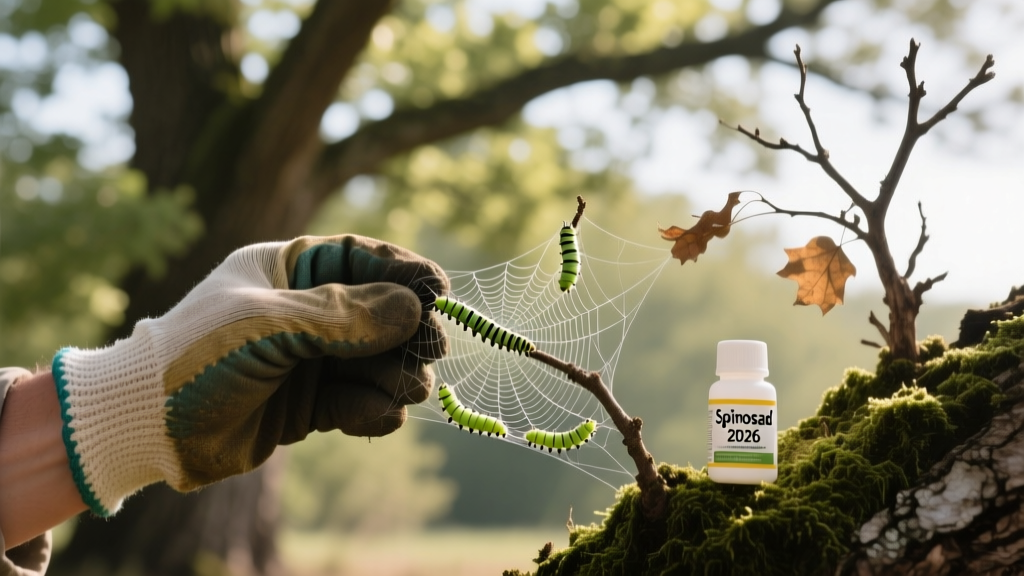
2026 Tent Caterpillar Control: Web Removal & Spinosad
Emily WatsonPublished
The 2026 Tent Caterpillar Threat to Yard Wildlife
As we navigate the spring and early summer of 2026, homeowners and land managers are witnessing a significant resurgence in tent caterpillar populations. Driven by a series of mild winters and early spring thaws, these voracious defoliators are rapidly expanding across North American suburbs and rural landscapes. While a handful of caterpillars serve as an excellent protein source for foraging birds, a full-blown infestation poses a severe threat to the broader yard ecosystem.
From a wildlife management perspective, unchecked tent caterpillar outbreaks do more than just strip leaves from your favorite ornamental trees. Severe defoliation stresses the tree, making it highly susceptible to secondary pests like wood-boring beetles and fungal pathogens. If the tree dies, you lose crucial canopy cover, shade, and vital cavity-nesting sites for local wildlife, including woodpeckers, chickadees, and squirrels. Furthermore, the loss of foliage reduces the tree's ability to produce mast (seeds and nuts), which is a foundational food source for yard animals heading into the autumn months.
Identifying Tent Caterpillar Nests in Early Spring
Before you can manage the infestation, you must correctly identify the culprit. The two most common species causing havoc in 2026 are the Eastern Tent Caterpillar (Malacosoma americanum) and the Forest Tent Caterpillar (Malacosoma disstria).
- Eastern Tent Caterpillars: As detailed by the University of Kentucky Entomology department, Eastern tent caterpillars construct their iconic, silken tents in the crotches and forks of branches, primarily on cherry, apple, and crabapple trees. They expand these webs daily and retreat into them during the heat of the day and during molting.
- Forest Tent Caterpillars: Despite the name, they do not build true tents. The University of Minnesota Extension notes that these caterpillars instead spin silken mats on the trunks and larger branches where they gather to rest. They are easily identified by the distinct white, keyhole-shaped spots running down their blue-and-black backs.
Mechanical Web Removal: Protecting the Canopy
For localized infestations, mechanical removal remains the most environmentally friendly first line of defense. This method immediately removes the bulk of the population without introducing any foreign substances into the yard's food web.
Step-by-Step Web Removal
- Time Your Attack: Prune or destroy webs in the early morning or late evening. During these cooler hours, the caterpillars are clustered inside or directly on the surface of the tent.
- Use the Right Tools: For low-hanging branches, use a pair of sharp, bypass pruning shears. For higher canopies, utilize a telescoping pole pruner. Always sanitize your tools with a 10% bleach solution between cuts to prevent the spread of fungal diseases.
- Physical Destruction: Once the branch or web is removed, submerge the nest in a bucket of warm, soapy water. Alternatively, you can wrap the nest tightly in duct tape, sealing the caterpillars inside, and dispose of it in your municipal green waste bin.
- Avoid Fire: Never use a torch to burn the webs out of the tree. This outdated practice causes irreversible damage to the tree's cambium layer and creates an unnecessary wildfire hazard.
Spinosad Treatment: The Wildlife-Safe Biological Solution
When an infestation is too widespread for manual removal, or the nests are too high in the canopy to reach safely, biological insecticides become necessary. In 2026, Spinosad remains the gold standard for wildlife-conscious tree care.
Derived from the soil-dwelling bacterium Saccharopolyspora spinosa, Spinosad targets the nervous system of insects, causing paralysis and death. However, its toxicity profile is remarkably selective. According to the National Pesticide Information Center, Spinosad is highly toxic to target pests like caterpillars and thrips, but exhibits very low toxicity to mammals, birds, earthworms, and most beneficial predatory insects once it has dried.
"By choosing Spinosad over broad-spectrum synthetic pyrethroids, you are actively protecting the local bird populations and soil-dwelling organisms that keep your yard's ecosystem balanced and thriving."
Popular, highly effective formulations available on the market this year include Monterey Garden Insect Spray and Bonide Captain Jack's Deadbug Brew. Both utilize Spinosad as the sole active ingredient and are approved for use on ornamental and fruit-bearing trees.
Spinosad Application Guide and Dosage
Proper mixing and application are critical to ensure the treatment is effective against the caterpillars while remaining safe for non-target wildlife. Always read the specific manufacturer's label on your product, but the table below outlines the standard parameters for liquid Spinosad concentrates in 2026.
| Parameter | Standard Liquid Concentrate (e.g., Monterey) | Application Notes for Tree Care |
|---|---|---|
| Active Ingredient | Spinosad (0.5% to 1.5%) | Check label for exact concentration. |
| Mix Rate | 2 oz per 1 gallon of water | Use a pressurized pump sprayer for canopy reach. |
| Application Timing | Late evening or dusk | Crucial for protecting foraging pollinators. |
| Rainfastness | 6 to 8 hours | Do not apply if rain is forecasted within 8 hours. |
| Re-Entry Interval (REI) | 4 hours | Keep pets and children out of the yard until dry. |
| Wildlife Safety | Safe for birds/mammals when dry | Highly toxic to aquatic life; avoid runoff into ponds. |
Protecting Pollinators and Beneficial Insects
While Spinosad is exceptionally safe for vertebrate wildlife, it is important to remember that bees and butterflies are also vital components of your yard's ecosystem. Spinosad is highly toxic to bees when the spray is still wet. To mitigate this risk, you must adopt a pollinator-first application strategy.
Always apply Spinosad treatments at dusk or during the late evening when bees have returned to their hives and are no longer foraging. By the time the sun rises the next morning, the spray will have completely dried on the foliage. Once dried, the residue poses virtually no risk to bees or other beneficial pollinators visiting the tree. Additionally, avoid spraying trees that are currently in full bloom; wait until the petals have dropped and the tree has transitioned to its vegetative leaf-out stage.
Long-Term Yard Ecosystem Management
Chemical and biological treatments are only one piece of the wildlife management puzzle. To prevent future tent caterpillar outbreaks from devastating your trees, you must foster an environment that supports the caterpillars' natural enemies.
Parasitic wasps, such as Cotesia congregata, are nature's most effective caterpillar control agents. These tiny, non-stinging wasps lay their eggs inside the caterpillars, eventually killing them. You can encourage these beneficial insects by planting a diverse border of nectar-rich native flowers, such as yarrow, dill, and sweet alyssum, around the base of your susceptible trees.
Furthermore, installing birdhouses and maintaining birdbaths will attract insectivorous bird species like the Baltimore oriole, blue jays, and various warblers. While these birds cannot stop a massive outbreak on their own, a robust, year-round bird population will continuously suppress the baseline caterpillar numbers, ensuring your trees remain healthy, leafy, and capable of supporting the vibrant wildlife in your yard for decades to come.
