Tree Care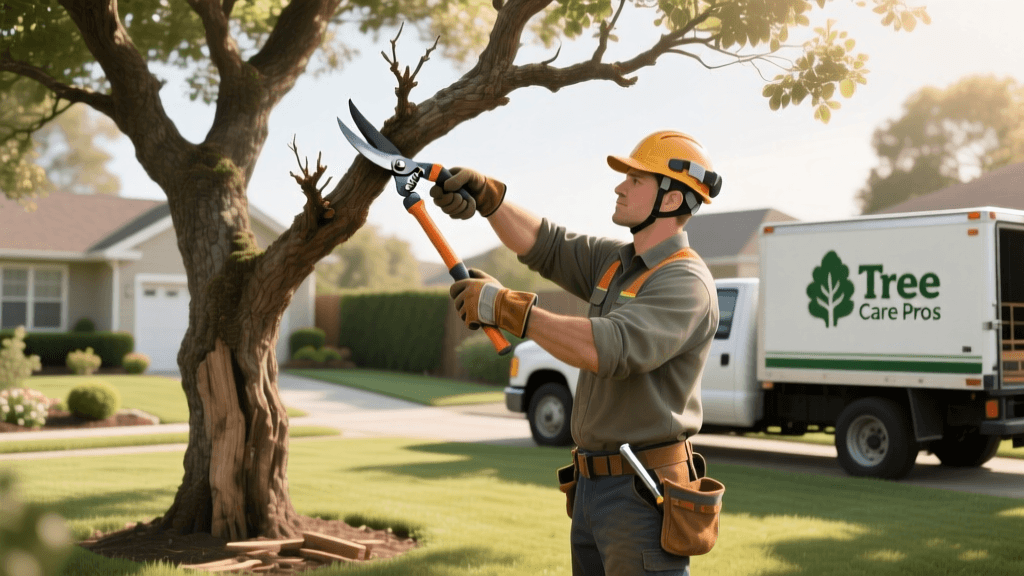
The Homeowner Guide to Tree Pruning and Removal Costs
Introduction to Tree Care Budgeting
Mature, healthy trees can increase your property value by up to 20%, according to the USDA Forest Service. However, when trees are neglected, they transition from valuable assets to severe liabilities. Budgeting for routine tree maintenance is not just an aesthetic choice; it is a critical component of home preservation and risk management. Emergency tree removals following a severe storm can cost thousands of dollars, whereas proactive pruning and health assessments are a fraction of that price. This comprehensive cost guide will help homeowners understand the financial landscape of professional tree care, allowing you to plan your landscaping budget effectively and avoid unexpected expenses.
Average Costs for Tree Pruning and Trimming
Tree pruning costs are primarily determined by the height and canopy spread of the tree, which dictate the equipment and manpower required. The University of Florida IFAS Extension emphasizes that proper pruning cuts are essential for tree health, recommending that no more than 25% of a tree's live foliage be removed during a single season to prevent severe physiological stress.
Small Trees (Under 30 Feet)
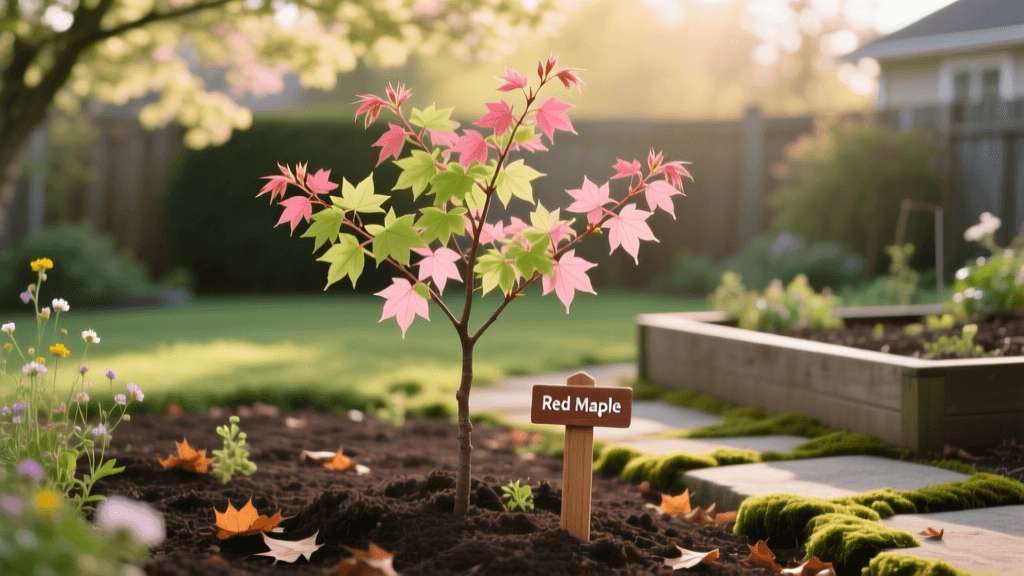
For small ornamental trees like Dogwoods, Redbuds, or young Maples, pruning is generally straightforward. Arborists can often reach the canopy using ladders or pole pruners without the need for heavy machinery. Expect to pay between $150 and $400 for routine crown cleaning and deadwood removal.
Medium Trees (30 to 60 Feet)
Trees such as mature Birch, Ash, or smaller Oaks require more advanced climbing techniques or the use of a bucket truck. Pruning these trees involves crown thinning, weight reduction, and structural training. The average cost ranges from $400 to $850, depending on the density of the canopy and the specific pruning objectives.
Large Trees (Over 60 Feet)
Majestic shade trees like towering White Oaks, Pines, or Sycamores demand highly skilled climbers, rigging equipment, and strict safety protocols. Because these trees often overhang structures, precision is paramount. Budget between $850 and $1,500+ for comprehensive pruning of large specimens.
Tree Removal and Stump Grinding Costs
Tree removal is inherently more dangerous and labor-intensive than pruning, which is reflected in the pricing. The cost to remove a tree depends on its size, the complexity of the drop zone, and whether the wood is being hauled away or left on-site for firewood.
- Small Tree Removal: $300 to $700. Ideal for dead ornamentals or trees in open, easily accessible backyards.
- Medium Tree Removal: $700 to $1,500. Often requires sectional dismantling if the tree is near a fence or garden bed.
- Large Tree Removal: $1,500 to $3,500+. Large trees over structures require intricate rigging, and sometimes a mobile crane (adding $500+ to the daily rate).
Stump Grinding: Most removal quotes do not include stump grinding unless specified. Stump grinding typically costs between $3 and $5 per inch of stump diameter, with a minimum service call fee of around $150 to $250.
Comprehensive Tree Care Cost Breakdown
| Service Type | Small Tree (<30 ft) | Medium Tree (30-60 ft) | Large Tree (60+ ft) |
|---|---|---|---|
| Routine Pruning / Trimming | $150 - $400 | $400 - $850 | $850 - $1,500+ |
| Complete Tree Removal | $300 - $700 | $700 - $1,500 | $1,500 - $3,500+ |
| Stump Grinding | $75 - $150 | $150 - $300 | $300 - $600+ |
| Deep Root Fertilization | $50 - $100 | $100 - $200 | $200 - $400 |
Key Factors That Influence Arborist Pricing
When requesting quotes, homeowners should be aware of several variables that can cause estimates to fluctuate significantly:
- Accessibility: If an arborist cannot drive a bucket truck or chipper to the tree's base, all brush must be dragged manually, increasing labor time and costs.
- Proximity to Hazards: Trees tangled in utility lines or directly overhanging a slate roof require meticulous, slow rigging to prevent property damage, raising the price.
- Emergency vs. Scheduled Service: Storm damage cleanup is often billed at a 20% to 30% premium due to the immediate hazard and high demand for arborist crews.
- Debris Hauling: Opting to keep the wood chips and logs for personal use can shave 10% to 15% off the total removal quote.
Preventative Tree Health Care: Budgeting for Treatments
Budgeting for tree care extends beyond chainsaws and woodchippers; it also includes proactive health management. Systemic insecticides and soil treatments are vital for protecting high-value trees from devastating pests like the Emerald Ash Borer (EAB) or Hemlock Woolly Adelgid.
For EAB prevention, trunk injections using Emamectin benzoate (commonly known by the brand name TREE-äge G4) are the industry standard. The cost for these treatments is generally calculated by trunk diameter at breast height (DBH), averaging $15 to $25 per inch. A mature Ash tree with a 20-inch trunk would require a bi-annual budget allocation of roughly $300 to $500 to ensure its survival. Additionally, deep root fertilization and soil aeration services, which combat urban soil compaction, typically cost $0.25 to $0.50 per square foot of the tree's dripline.
DIY vs. Professional Tree Care: When to Save and When to Spend
Homeowners can safely manage the pruning of young, small trees using high-quality hand tools. Investing in a pair of Swiss-made Felco F-2 bypass hand pruners (approx. $60) or a Japanese Silky Gomboy folding saw (approx. $55) will yield clean, precise cuts that heal quickly, minimizing the risk of disease entry.
However, the International Society of Arboriculture (ISA) strongly advises against DIY tree work that involves chainsaws, climbing, or pruning near electrical lines. The cost of a professional arborist is minor compared to the potential medical bills from a chainsaw kickback or the catastrophic cost of dropping a heavy limb onto your neighbor's roof. Always leave canopy work on trees taller than 20 feet to insured professionals.
How to Vet and Hire a Certified Arborist
Protecting your budget also means ensuring the job is done correctly the first time. Poor pruning practices, such as 'topping' or making flush cuts, can lead to internal decay and eventual tree failure, ultimately forcing a costly removal years later.
'Always hire an arborist who is certified by the International Society of Arboriculture (ISA). Certification ensures the professional has passed a comprehensive exam and adheres to a strict code of ethics and current industry safety standards.' — International Society of Arboriculture (ISA) Consumer Guidelines
Before signing a contract, verify the company's Certificate of Insurance (specifically looking for both liability and workers' compensation coverage) directly from their insurance provider. Finally, always obtain at least three itemized, written estimates. The lowest bid is not always the best; prioritize companies that provide detailed scopes of work aligned with ANSI A300 pruning standards.
Conclusion
Allocating a dedicated annual budget for tree care—typically 1% to 2% of your total landscaping maintenance budget—ensures your urban forest remains safe, vibrant, and structurally sound. By understanding the baseline costs for pruning, removal, and preventative health treatments, homeowners can make informed, financially sound decisions that protect both their property and their prized trees for decades to come.