Tree Care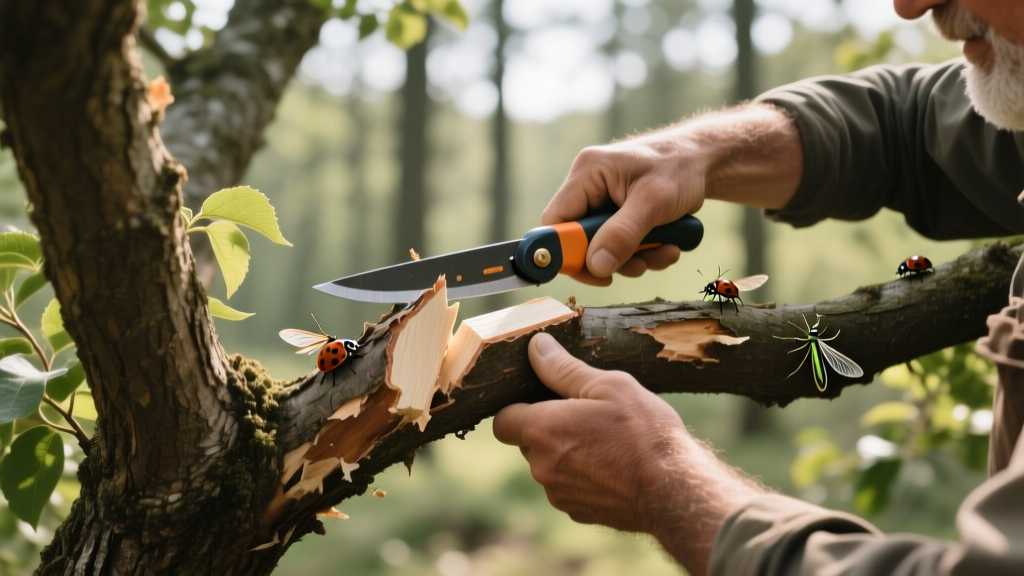
Three-Cut Pruning Method: Bio-Control & Tree Care 2026
Sarah ChenPublished
The Intersection of Pruning and Bio-Control in 2026
As we navigate the 2026 growing season, arborists and home gardeners alike are recognizing that tree care is no longer just about aesthetics or structural safety; it is a critical component of integrated pest management (IPM) and biological control. With shifting climate zones expanding the habitats of destructive wood-boring insects like the emerald ash borer and invasive bark beetles, maintaining a tree's natural immune system is paramount. The foundation of this natural defense lies in proper wound management, specifically the three-cut pruning method for large branch removal.
When executed correctly, the three-cut method preserves the tree's ability to compartmentalize decay, maintain robust sap flow, and emit the specific volatile organic compounds (VOCs) that attract beneficial predatory insects. Conversely, improper pruning techniques create massive, jagged wounds that trigger distress signals, inviting destructive secondary pests that can quickly overwhelm a tree's canopy and root system.
Why the Three-Cut Method Matters for Beneficial Insects
To understand why the three-cut method is a vital bio-control strategy, we must look at how trees communicate with their environment. Trees rely on a biological process known as CODIT (Compartmentalization of Decay in Trees) to wall off injuries. The branch collar—the swollen area where the branch meets the trunk—is packed with chemical and physical barriers designed to stop pathogens and wood-boring pests in their tracks.
When a heavy branch is removed with a single, haphazard cut, the weight of the wood often causes the bark to tear down the trunk, ripping past the branch collar. This massive wound cannot be compartmentalized. The resulting stress alters the tree's VOC emissions. Instead of releasing the subtle terpenes that attract beneficial parasitoid wasps and predatory beetles to manage minor herbivore populations, a severely stressed tree releases high concentrations of ethanol and stress-pheromones. These distress signals act as a beacon for destructive bark beetles and flatheaded borers, which carry fatal fungal pathogens.
By utilizing the three-cut pruning method, you ensure the branch collar remains entirely intact. The tree rapidly seals the clean wound, maintaining the vigorous sap flow necessary to physically drown boring insects and sustain the mutualistic relationships with beneficial canopy-dwelling predators.
Step-by-Step Guide to the Three-Cut Pruning Method
Removing large branches (those exceeding 2 inches in diameter) requires a systematic approach to prevent bark tearing and protect the tree's bio-defenses. According to guidelines endorsed by the Morton Arboretum, the process is broken down into three distinct cuts.
Cut 1: The Undercut (Preventing Bark Tear)
Position your pruning saw on the underside of the branch, approximately 12 to 18 inches away from the trunk or parent branch. Cut upward, penetrating about one-third of the way through the branch's diameter. This undercut serves as a physical stopgap. When the branch eventually falls, the wood will snap at this notch, preventing the bark from tearing down the trunk and destroying the vital branch collar.
Cut 2: The Relief Cut (Removing the Weight)
Move your saw to the top of the branch, about two to three inches further out from your initial undercut (away from the trunk). Saw completely through the branch. The heavy outer portion of the limb will drop safely, leaving a manageable 12-to-20-inch stub. Because the undercut was placed closer to the trunk, the bark on the underside remains perfectly intact during this drop.
Cut 3: The Final Collar Cut (Promoting Bio-Healing)
This final cut is where the magic of bio-control happens. Locate the branch collar (the swollen, wrinkled bark at the base of the branch) and the branch bark ridge (the raised line running parallel to the trunk). Make your final cut just outside the branch collar, angling slightly downward and away from the trunk. Do not cut flush with the trunk, as this removes the chemical barriers required for CODIT. Do not leave a stub, as stubs die back and provide entry points for decay fungi and tunneling insects.
Pruning Cuts and Their Bio-Control Impact
Understanding the biological consequences of your pruning technique is essential for modern tree care. The following table illustrates how different pruning methods impact a tree's natural pest management capabilities.
| Pruning Technique | Wound Status | Bio-Control & Pest Impact |
|---|---|---|
| Flush Cut (Cutting into the trunk) | Destroys branch collar; massive wound | Triggers severe stress VOCs; attracts destructive borers and bark beetles; overwhelms beneficial predators. |
| Stub Cut (Leaving dead wood) | Stub dies back; decay enters trunk | Creates hollow habitats for pests; sap flow drops, reducing the tree's ability to pitch out boring insects. |
| Proper 3-Cut Method | Collar intact; clean, small wound | Rapid compartmentalization; maintains healthy VOC emissions that attract parasitoid wasps and predatory beetles. |
Timing Your Pruning to Protect Overwintering Beneficials
The three-cut method ensures the physical wound is managed, but the timing of your pruning dictates how your actions affect the local ecosystem of beneficial insects. In 2026, with heightened awareness of pollinator and predator conservation, arboriculture best practices dictate that major structural pruning should occur during the late winter or early spring dormancy period.
During the late spring and summer months, the tree's canopy and bark crevices are teeming with beneficial insects such as ladybugs, lacewings, hoverflies, and parasitoid wasps. Pruning large branches during the active growing season not only removes these beneficial habitats but also disrupts their life cycles. Furthermore, fresh, large wounds made in the spring and early summer are highly susceptible to infestation by insects that are actively seeking breeding sites.
By waiting until late winter (just before the spring sap flow begins), you allow overwintering beneficial insects to complete their dormancy. The tree is also primed to push a massive wave of spring growth, which rapidly generates callus tissue over the three-cut wound, sealing it off before summer pest populations peak. For specific regional timing, consulting resources like the University of Florida IFAS Extension can help you align your pruning schedule with local hardiness zones and pest emergence models.
Tool Sanitation: A Critical Bio-Control Step
The three-cut method is only as effective as the tools used to execute it. Pathogens such as fire blight, oak wilt, and various canker fungi can be easily transmitted from an infected tree to a healthy one via contaminated pruning saws and loppers. When a tree is infected with a vascular disease, its bio-control mechanisms collapse, making it an easy target for destructive wood-boring insects.
Before moving from one tree to the next, and especially before making the final collar cut on a large branch, sanitize your tools. In 2026, the recommended protocol is to wipe or spray your saw blades with a 70% isopropyl alcohol solution or a 10% bleach solution. Allow the blade to dry completely before making the final cut to avoid introducing harsh chemicals directly into the tree's fresh vascular tissue. This simple step prevents the introduction of pathogens that would otherwise compromise the tree's natural defenses.
The Myth of Wound Dressings and Sealants
Historically, gardeners applied black tar or pruning sealants over large cuts to 'protect' the tree from insects and disease. Modern arboriculture, supported by decades of research from institutions like the Arbor Day Foundation, has thoroughly debunked this practice. Wound dressings actually interfere with the tree's natural CODIT process.
Sealants trap moisture and anaerobic bacteria against the exposed wood, accelerating decay rather than preventing it. Furthermore, as the sealant cracks in the sun, it creates perfect micro-habitats for pest eggs and fungal spores. A properly executed three-cut method leaves the wound exposed to the air, allowing it to dry rapidly and form a natural callus. Rely on the tree's evolved biological mechanisms and the beneficial insects that patrol its bark, rather than synthetic sealants that do more harm than good.
Conclusion
The three-cut pruning method for large branch removal is far more than a technique for shaping a tree; it is a foundational practice in biological pest control. By preserving the branch collar, preventing bark tearing, and timing your cuts to respect the life cycles of beneficial insects, you empower your trees to defend themselves. As pest pressures continue to evolve in 2026, embracing these scientifically backed, bio-friendly pruning methods will ensure your landscape remains resilient, healthy, and naturally balanced for decades to come.