Tree Care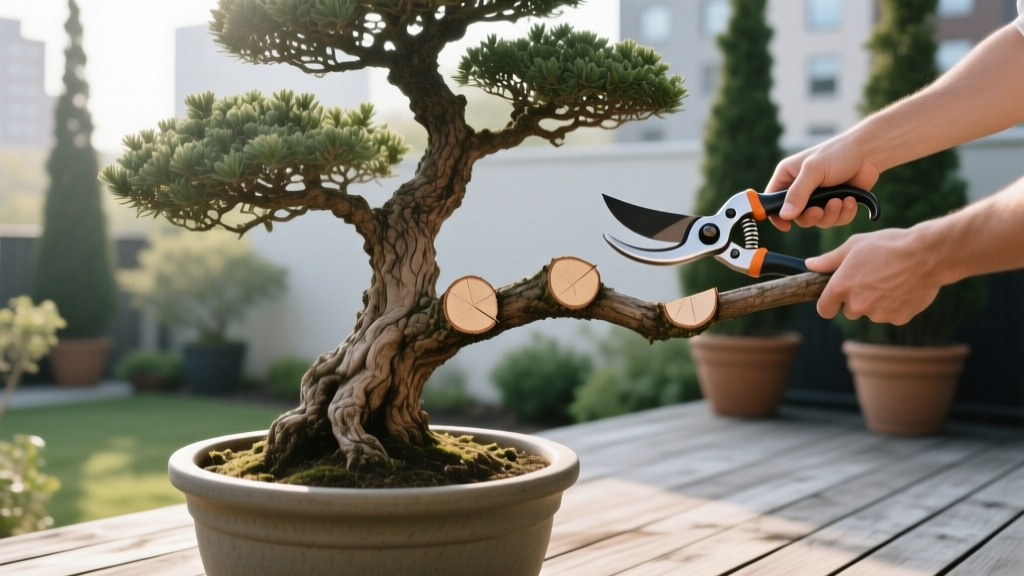
3-Cut Pruning for Large Potted Trees: 2026 Expert Guide
Emily WatsonPublished
The Unique Challenges of Container Tree Pruning
Container and pot gardening has evolved dramatically over the past decade. Today, it is common to see large, established patio trees—such as 15-gallon olive trees, dwarf citrus, Japanese maples, and large Ficus specimens—thriving in 24-inch to 36-inch resin or terracotta planters. While growing trees in containers offers unparalleled flexibility for landscape design and climate zone management, it also introduces unique physiological challenges. Unlike landscape trees with expansive root systems that can easily compartmentalize wounds and push out vigorous new growth to heal damage, potted trees operate on a restricted resource budget. Their root-to-shoot ratio is tightly constrained by the volume of their container.
Because of this limitation, every leaf and every inch of vascular tissue matters. When a large branch (typically anything over 1 inch in diameter) needs to be removed from a container tree, using standard single-cut snipping methods is a recipe for disaster. The weight of the branch will inevitably cause the bark to tear down the trunk as it falls, stripping away the vital phloem and cambium layers. For a potted tree, a severe trunk wound can lead to irreversible decline, making the three-cut pruning method an absolute necessity for maintaining plant health in 2026.
Why the 3-Cut Method is Non-Negotiable for Potted Trees
The three-cut method is a professional arboriculture technique designed to remove heavy limbs without damaging the trunk. According to the Arbor Day Foundation, proper pruning cuts must preserve the branch collar—the swollen area where the branch meets the trunk. This collar contains specialized cells essential for the tree's natural defense mechanism, known as Compartmentalization of Decay in Trees (CODIT).
In container trees, CODIT operates much slower than in ground-planted trees due to the inherent stress of pot culture, limited water reserves, and restricted nutrient uptake. If the bark is torn during pruning, the tree must expend massive amounts of stored energy to seal a wound that could have been avoided. This energy diversion often results in stunted seasonal growth, increased susceptibility to borers, and in severe cases, the introduction of fatal fungal pathogens like Verticillium or Phytophthora, which thrive in the microclimates of potted planters.
Your 2026 Potted Tree Pruning Toolkit
Before approaching your potted patio trees, ensure you have the correct, up-to-date tools. Using dull or improper tools will crush vascular tissues, delaying healing. Here is what you need for the 2026 growing season:
- High-Carbon Steel Pruning Saw: A curved blade with impulse-hardened teeth is ideal. The Silky Gomboy 240mm (retailing around $68 in 2026) remains the gold standard for clean, frictionless cuts in tight container spaces.
- Bypass Pruners: For smaller preparatory cuts and twig removal. The Felco 2 or Corona ComfortGEL bypass pruners offer the precision needed for intricate canopy thinning.
- Battery-Powered Pruning Saw (Optional): For massive, multi-inch trunks on older potted olives or crape myrtles, the Milwaukee M12 Pruning Saw ($199) reduces physical fatigue and ensures a perfectly straight cut without binding.
- Sanitization Solution: 70% Isopropyl alcohol in a spray bottle. Bleach solutions are now widely discouraged by horticulturists as they accelerate the corrosion of high-carbon steel blades.
- Kelp Extract Fertilizer: A liquid sea kelp drench (such as FoxFarm Bushdoctor Kelp Help) to apply post-pruning to reduce transplant and pruning shock.
Step-by-Step Execution of the Three Cuts
When you have identified a heavy branch that is shading out the lower canopy, crossing another primary scaffold, or showing signs of dieback, follow these three precise cuts to ensure a flawless removal.
Cut 1: The Undercut (Preventing Bark Tearing)
Locate the branch collar at the base of the limb. Measure about 2 to 3 inches outward from the collar on the underside of the branch. Using your pruning saw, cut upward into the wood until you reach about one-third of the way through the branch's diameter. This undercut acts as a physical barrier; when the branch eventually snaps under its own weight, the tear will stop exactly at this cut, protecting the trunk's bark.
Cut 2: The Relief Cut (Removing the Weight)
Move another 1 to 2 inches further out toward the tip of the branch (away from the trunk). Cut completely through the branch from the top down. Because you are cutting outside the undercut, the heavy portion of the branch will fall away cleanly, leaving a short, lightweight stub. The University of Minnesota Extension emphasizes that this relief cut is the most critical step for preventing the peeling of bark down the main trunk, which is especially devastating for thin-barked container species like Japanese Maples and Citrus.
Cut 3: The Final Collar Cut (Promoting Healing)
Now that the weight is gone, you can safely remove the remaining stub without risking bark damage. Locate the branch bark ridge (the raised line of bark running parallel to the trunk) and the branch collar (the swollen base). Make your final cut just outside the collar, angling the saw slightly to match the natural angle of the collar. Do not cut flush with the trunk, and do not leave a protruding stub. A perfect cut preserves the collar, allowing the tree's wound wood to roll over the incision and seal it naturally over the next two growing seasons.
Branch Thickness and Tool Selection Chart
Choosing the right tool based on branch diameter ensures clean cuts that heal rapidly. Use this 2026 reference chart for your container trees:
| Branch Diameter | Recommended Tool | Pruning Technique | Est. 2026 Tool Cost |
|---|---|---|---|
| Under 0.5 inch | Bypass Hand Pruners | Single Clean Cut | $35 - $60 |
| 0.5 to 1.5 inches | Bypass Loppers / Small Saw | 2-Cut or 3-Cut Method | $45 - $70 |
| 1.5 to 4.0 inches | Curved Hand Pruning Saw | Strict 3-Cut Method | $60 - $85 |
| Over 4.0 inches | Battery-Powered Pruning Saw | Strict 3-Cut Method | $150 - $220 |
Post-Pruning Aftercare for Container Trees
Once the cuts are made, your focus must shift to aftercare. In the past, gardeners frequently applied pruning sealants, tar, or wound paint to fresh cuts. Modern arboricultural science has definitively proven that these products trap moisture and fungal spores against the wood, accelerating rot. Leave the cut exposed to the air so it can dry and callous naturally.
Because potted trees have a limited soil volume, their water and nutrient dynamics change immediately after a major pruning event. With fewer leaves to transpire water, the soil in the container will stay moist for longer periods. Reduce your watering frequency by 20% to 30% for the first three weeks following heavy pruning to prevent root rot, which is the number one killer of container trees. Ten days after pruning, apply a diluted liquid kelp extract directly to the soil. The natural cytokinins and auxins in the kelp will stimulate root activity and help the tree compartmentalize the pruning wounds without forcing vulnerable, sappy new growth.
Common Mistakes to Avoid
Even experienced container gardeners make errors when dealing with thick, woody branches. Avoid these critical mistakes:
- Flush Cutting: Cutting flat against the trunk removes the branch collar, destroying the tree's natural chemical defense zone and leaving a massive, unsealable wound.
- Leaving Long Stubs: Stubs that extend several inches past the collar cannot heal. The tissue will die back to the trunk, eventually creating a hollow entry point for wood-boring insects and decay fungi.
- Pruning During Heatwaves: Never perform heavy structural pruning on potted trees during mid-summer heatwaves. The sudden exposure of previously shaded interior bark to direct UV radiation can cause sunscald, cracking the bark and inviting pests. Always aim for late winter or early spring just before the first flush of 2026 growth.
- Skipping Tool Sterilization: Container trees are highly susceptible to cross-contamination. Spray your saw blade with 70% isopropyl alcohol and wipe it dry between every single tree to prevent the spread of canker diseases and bacterial blights.
Conclusion
Mastering the three-cut pruning method is a hallmark of advanced container gardening. By respecting the unique physiological constraints of potted trees and utilizing precise, weight-relieving cuts, you protect the vital vascular system of your patio specimens. Equipped with the right 2026 tools and a solid understanding of tree anatomy, you can confidently shape, thin, and maintain large container trees, ensuring they remain the stunning focal points of your outdoor living spaces for decades to come.