Gardening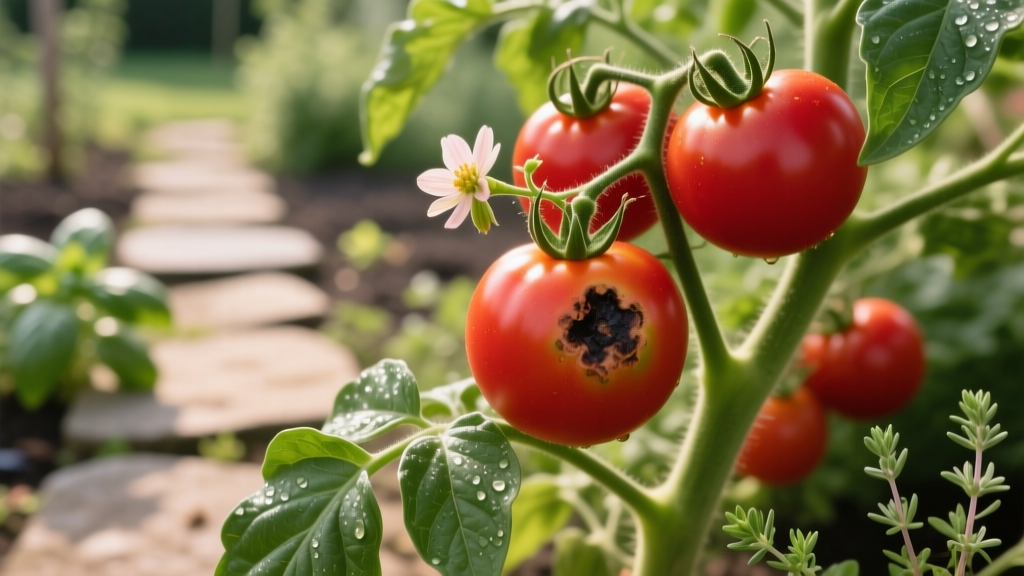
Tomato Blossom End Rot: Diagnosis and Proven Fast Fixes
Sarah ChenPublished
What is Blossom End Rot? Diagnosing the Problem
Every home gardener knows the excitement of spotting the first green tomatoes of the season, only to have that joy replaced by frustration when the bottom of the fruit develops a dark, sunken, leathery scar. This is blossom end rot (BER), one of the most common and misunderstood physiological disorders in vegetable gardening. Unlike early blight or late blight, blossom end rot is not caused by a fungus, bacteria, or pest. It is an abiotic disorder, meaning it is triggered by environmental stress and nutrient transport failures within the plant.
To properly diagnose blossom end rot, look for the following progression of symptoms:
- Early Stage: A small, water-soaked, pale green or yellow spot appears on the blossom end (the bottom) of the fruit, opposite the stem.
- Mid Stage: The spot expands, turning dark brown or black, and becomes distinctly sunken and leathery.
- Late Stage: The necrotic tissue may become colonized by secondary saprophytic fungi, appearing fuzzy or moldy. This secondary mold is an opportunistic infection, not the primary cause of the rot.
It is crucial to differentiate BER from sunscald, which typically appears as a white or tan papery patch on the side of the fruit directly exposed to intense sunlight, or anthracnose, which causes small, circular, sunken lesions with dark concentric rings anywhere on the fruit.
The Science: Why Calcium Mobility Fails
The fundamental cause of blossom end rot is a localized calcium deficiency in the developing fruit. However, as noted by the University of Minnesota Extension, this rarely means your soil actually lacks calcium. In most gardens, calcium is abundant. The problem is one of mobility and uptake.
Calcium is transported through the plant's xylem (the water-conducting tissue) via a process called transpiration pull. As water evaporates from the leaves, it pulls water and dissolved nutrients up from the roots. Because leaves transpire significantly more water than the fruit does, the leaves essentially 'steal' the available calcium, especially during periods of drought, high heat, or rapid vegetative growth. When the soil dries out, or when root systems are damaged, the flow of calcium to the rapidly expanding cells at the blossom end of the fruit is restricted. Without adequate calcium to build strong cell walls, the tissue collapses and dies, resulting in the characteristic black rot.
Step-by-Step Troubleshooting and Immediate Fixes
Once you spot blossom end rot, the affected fruit cannot be cured and should be picked and composted to redirect the plant's energy. However, you can take immediate, actionable steps to ensure the next flush of fruit develops normally.
1. Correct Watering Inconsistencies (The Primary Fix)
Fluctuating soil moisture is the number one trigger for BER. Tomatoes require a consistent 1 to 1.5 inches of water per week, increasing to 2 inches during peak summer heat and fruit set.
- Action: Install a drip irrigation system with 1-gallon-per-hour (GPH) emitters. Run the system for 30 to 45 minutes every morning to ensure deep, even watering.
- Tool: Invest in a reliable soil moisture meter (costing roughly $15 to $25). Insert the probe 4 to 6 inches deep near the root zone. The soil should feel like a wrung-out sponge—moist, but not waterlogged.
- Timing: Water early in the morning to reduce evaporation and allow foliage to dry, minimizing fungal disease risks.
2. Apply the Right Mulch to Regulate Moisture
Bare soil dries out rapidly and experiences extreme temperature fluctuations, which stresses the shallow feeder roots responsible for calcium uptake.
- Material: Use organic mulch such as weed-free straw, shredded leaves, or untreated grass clippings.
- Application: Apply a 2 to 3-inch layer of mulch around the base of the plant. Keep the mulch 2 inches away from the main stem to prevent crown rot and rodent damage.
- Cost: A standard bale of straw costs between $5 and $8 and will cover 4 to 6 tomato plants adequately.
3. Adjust Fertilizer and Soil pH for Nutrient Uptake
Excess nitrogen, particularly in the form of ammonium (NH4+), competes directly with calcium (Ca2+) for absorption at the root zone. Furthermore, if your soil pH is too low (acidic) or too high (alkaline), calcium becomes chemically locked up and unavailable to the plant.
- Soil pH Target: Tomatoes thrive in a pH range of 6.2 to 6.8. Test your soil using a home kit or send a sample to your local cooperative extension (usually $15-$20).
- Fertilizer Shift: Stop using high-nitrogen synthetic fertilizers (like standard 10-10-10 or ammonia-based liquids). Switch to a balanced, calcium-rich organic fertilizer like Espoma Tomato-tone (4-7-10), which includes 5% calcium and won't cause rapid, calcium-depleting vegetative spurts.
4. The Truth About Foliar Calcium Sprays
Many gardeners rush to buy calcium chloride or calcium nitrate foliar sprays, hoping to cure BER overnight. According to NC State Extension, foliar sprays are largely ineffective for blossom end rot. Calcium is highly immobile in the phloem (the plant's sugar-transport system). Even if you spray calcium directly onto the leaves, it will not translocate down into the developing fruit. Focus your efforts entirely on soil moisture and root health instead.
Comparison Chart: Calcium Amendments for Tomatoes
If a soil test confirms a true calcium deficiency, you must amend the soil. However, not all calcium sources are created equal. Use the table below to choose the right amendment based on your soil's current pH and your timeline.
| Amendment | Speed of Action | Impact on Soil pH | Best Use Case & Application Rate | Estimated Cost |
|---|---|---|---|---|
| Garden Gypsum (Calcium Sulfate) | Moderate (2-4 weeks) | Neutral (No change) | Ideal for soils with adequate pH but low calcium. Apply 1-2 lbs per 100 sq ft. | $12 - $18 (4 lbs) |
| Agricultural Lime (Calcium Carbonate) | Slow (2-6 months) | Raises pH (Alkaline) | Use ONLY if soil test shows pH below 6.0. Apply based on test recommendations. | $8 - $15 (40 lbs) |
| Bone Meal (Organic) | Slow (Months) | Slightly Raises pH | Good for long-term organic bed prep. High in phosphorus; avoid if P is already high. | $15 - $20 (4 lbs) |
| Calcium Nitrate (Synthetic) | Fast (Days) | Neutral to Slightly Acidic | Best for commercial growers needing immediate calcium and nitrogen. Not recommended for casual home use. | $25 - $35 (5 lbs) |
Long-Term Prevention Strategies for Next Season
While troubleshooting mid-season is essential, preventing blossom end rot before you even plant your seedlings is the hallmark of an expert gardener. Implement these strategies for your next planting cycle:
- Conduct a Pre-Season Soil Test: Don't guess your soil's nutrient profile. A comprehensive soil test will reveal your Base Saturation of Calcium (aim for 60-70%) and Cation Exchange Capacity (CEC), allowing you to amend with gypsum or lime months before planting.
- Warm the Soil Before Planting: Planting tomatoes in cold, wet soil (below 60°F) stunts root development and severely limits calcium uptake. Use black plastic mulch or Wall-O-Waters to warm the soil for two weeks before transplanting.
- Avoid Root Pruning: When cultivating weeds around your tomato plants, avoid using a hoe near the base. Tomatoes have shallow, sprawling feeder roots; severing them reduces the plant's ability to pull water and calcium from the soil profile.
- Choose Resistant Varieties: While no tomato is 100% immune to BER, smaller-fruited varieties like cherry and grape tomatoes are far less susceptible than large, fast-growing heirlooms or paste tomatoes (like Roma), which are notoriously prone to the disorder.
'Blossom end rot is a symptom of a water problem, not necessarily a soil deficiency problem. Consistency in moisture is the single most effective tool a home gardener has to ensure a blemish-free harvest.' — The Old Farmer's Almanac
Conclusion
Blossom end rot can feel like a devastating blow to your summer harvest, but it is entirely manageable once you understand the mechanics of calcium mobility. By diagnosing the issue early, abandoning ineffective foliar sprays, and committing to a strict, consistent watering and mulching regimen, you can save the remainder of your crop. Remember that gardening is a practice of observation and adjustment; use the setbacks of this season to build a more resilient, well-amended soil ecosystem for the years to come.
