
Tree Care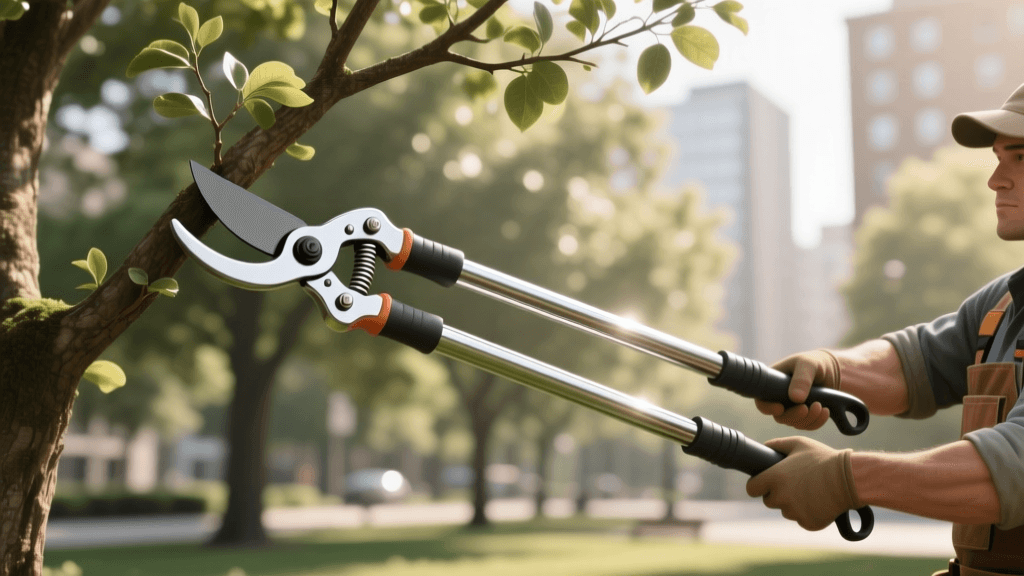
Top Pole Pruners for High Branch Tree Pruning Guide
The Importance of Reaching High Branches Safely
Pruning is a fundamental aspect of comprehensive tree care, essential for maintaining structural integrity, promoting vigorous growth, and preventing the spread of disease. While lower branches can be easily managed with standard hand pruners or loppers, the upper canopy presents a unique challenge. Reaching high branches often tempts homeowners to use ladders, which can be incredibly dangerous when combined with sharp cutting tools and unpredictable falling limbs. This is where a high-quality pole pruner becomes an indispensable tool in your landscaping arsenal. In this comprehensive product review and comparison guide, we evaluate the best pole pruners on the market, helping you choose the right equipment for safe, efficient, and tree-friendly canopy maintenance.
Why Invest in a Quality Pole Pruner?
Investing in a dedicated pole pruner is about more than just convenience; it is a matter of personal safety and tree health. The Occupational Safety and Health Administration (OSHA) frequently cites ladder-related falls as a leading cause of landscaping injuries. By keeping your feet firmly planted on the ground, a pole pruner drastically reduces the risk of severe accidents. Furthermore, quality pole pruners are engineered to deliver mechanical advantage, allowing you to slice through thick, stubborn branches with minimal physical exertion. This ensures that the cuts are clean and precise, rather than jagged tears caused by struggling with inadequate tools. Clean cuts are vital because they allow the tree to heal rapidly, sealing off the wound and protecting the vascular system from invasive pathogens and wood-boring insects.
Blade Types: Bypass vs. Anvil vs. Saw
Understanding the difference between blade types is crucial before making a purchase. Bypass pruners feature two curved blades that pass each other like scissors. They are the gold standard for live, green wood, as they produce a clean, flush cut that minimizes damage to the tree's cambium layer. Anvil pruners, on the other hand, utilize a single straight blade that closes against a flat surface. While they offer more crushing power for dead, dry wood, they can easily crush the delicate tissues of live branches, leading to dieback and disease entry. Finally, pole saws feature a serrated blade designed for ripping through thick, heavy limbs that exceed the cutting capacity of standard bypass blades. Many premium pole pruners offer a hybrid design, combining a bypass pruner head with a detachable or integrated pruning saw for maximum versatility.
Top Pole Pruners for Tree Care: Product Reviews
1. Fiskars 12 Ft. Power-Lever Bypass Pruner
The Fiskars 12 Ft. Power-Lever Bypass Pruner is a standout choice for homeowners seeking a balance of affordability, durability, and cutting power. Featuring a proprietary Power-Lever technology, this tool provides up to twice the cutting leverage of standard pole pruners, making it exceptionally easy to slice through live branches up to 1.5 inches thick. The pole itself is constructed from a lightweight yet robust fiberglass composite that resists bending and dampens vibrations. Weighing in at just over 5.5 pounds, it minimizes shoulder fatigue during extended pruning sessions. The orange and black high-visibility color scheme also makes it easy to spot in dense foliage. While the internal pulley rope can occasionally tangle if not stored properly, the overall build quality and reliable bypass blade make it a top-tier recommendation for routine seasonal pruning.
2. Corona PP 3460 ComfortGEL Bypass Pruner
For arborists and serious gardeners who prioritize ergonomics and precision, the Corona PP 3460 ComfortGEL Bypass Pruner is a formidable contender. This model extends up to 14 feet, giving you that extra reach for towering shade trees. The standout feature is the ComfortGEL grip technology on the lower pole and rope handle, which significantly reduces blistering and hand fatigue. The forged steel bypass blade is heat-treated for longevity and features a sap groove to prevent sticking when cutting resinous trees like pine or spruce. At approximately 6.2 pounds, it is slightly heavier than the Fiskars, but the superior weight distribution and smooth pulley action compensate for the added mass. It excels at making highly precise, surgical cuts on smaller canopy branches, promoting optimal airflow and sunlight penetration.
3. Silky Hayauchi 16-Foot Telescoping Pole Saw
When dealing with massive, dead limbs or thick branches exceeding three inches in diameter, bypass pruners simply do not have the jaw capacity. Enter the Silky Hayauchi 16-Foot Telescoping Pole Saw. Silky is widely regarded by professional arborists as the pinnacle of pruning saw technology. The Hayauchi features a monstrous 15.7-inch impulse-hardened steel blade with aggressive, razor-sharp teeth that chew through dense wood with astonishing speed. The three-section aluminum and fiberglass telescoping pole locks securely in place and extends to a massive 16 feet. Weighing 6.8 pounds, it requires a bit more upper body strength to maneuver, but the cutting efficiency is unmatched. It is strictly a saw, meaning it requires a manual back-and-forth motion rather than a pulley system, but for heavy-duty storm cleanup and deadwood removal, it is an absolute powerhouse.
Comparison Chart: Best Pole Pruners
| Model | Max Reach | Blade Type | Weight | Best For | Approx. Cost |
|---|---|---|---|---|---|
| Fiskars Power-Lever | 12 ft | Bypass | 5.5 lbs | Live branches up to 1.5 in | $70 |
| Corona ComfortGEL | 14 ft | Bypass | 6.2 lbs | Precision canopy cuts | $85 |
| Silky Hayauchi | 16 ft | Saw | 6.8 lbs | Deadwood & thick limbs | $160 |
Proper Pruning Technique: The 3-Cut Method
Using the right tool is only half the battle; employing the correct technique is what preserves the long-term health of your trees. The University of Florida IFAS Extension emphasizes the importance of the three-cut method for removing heavy branches, as it prevents the bark from tearing down the trunk and stripping the tree's protective layers.
According to the University of Florida IFAS Extension, making clean, precise pruning cuts without tearing the bark is critical for a tree's natural compartmentalization process (CODIT). This biological mechanism prevents decay and disease from entering the pruning wound and spreading through the canopy.
The first cut is an undercut, made about 12 to 18 inches away from the trunk, slicing roughly one-third of the way through the bottom of the branch. The second cut is made from the top, positioned two to three inches further out from the undercut. This removes the bulk of the branch's weight, allowing it to snap off cleanly without tearing. The third and final cut is the most critical. It must be made just outside the branch collar—the swollen area where the branch meets the trunk. Never cut flush against the trunk, as this removes the collar and severely impairs the tree's ability to compartmentalize the wound.
Tool Maintenance and Disease Prevention
Proper maintenance of your pole pruner ensures it remains safe to use and prevents the accidental transmission of tree diseases. According to plant pathologists, pruning tools can easily carry fungal spores and bacterial infections from a diseased tree to a healthy one. To mitigate this risk, always sanitize your blades before moving to a new tree, especially if you suspect diseases like fire blight or oak wilt. Wipe the cutting surfaces thoroughly with a cloth soaked in seventy percent isopropyl alcohol or a ten percent bleach solution. After cleaning, dry the blade completely and apply a light coat of camellia oil or a specialized tool lubricant to prevent rust. For bypass pruners, regularly inspect the pulley rope for fraying and replace it immediately if signs of wear appear. Sharpen the bypass blade using a fine-grit flat file, maintaining the original factory angle, to ensure every cut remains crisp and effortless.
Conclusion
Equipping yourself with the right pole pruner transforms a dangerous, exhausting chore into a safe and rewarding tree care practice. Whether you opt for the leverage of the Fiskars, the ergonomic precision of the Corona, or the raw cutting power of the Silky saw, investing in quality tools pays dividends in both personal safety and the enduring vitality of your landscape canopy. Always prioritize clean cuts, adhere to the three-cut method for heavy limbs, and maintain rigorous tool sanitation to keep your trees thriving for generations to come.