Gardening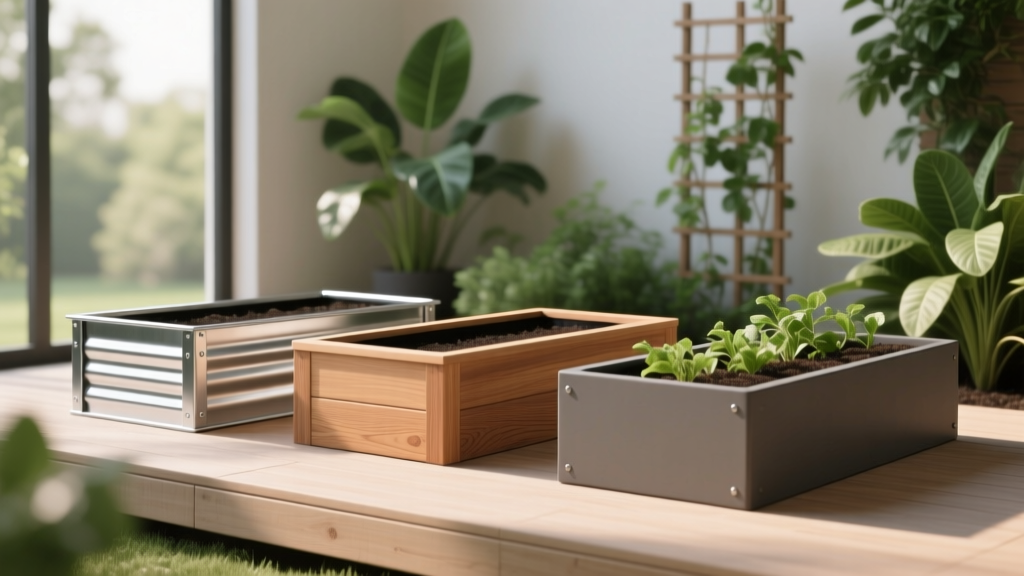
Top Raised Bed Kits: Steel vs Cedar vs Composite Compared
Anna KowalskiPublished
The Great Raised Bed Debate: Choosing the Right Material
Raised bed gardening has surged in popularity among home growers, and for good reason. Elevating your soil improves drainage, reduces weed pressure, warms the earth faster in the spring, and saves your back from excessive bending. However, before you can start planting your heirloom tomatoes and crisp leafy greens, you must make a critical infrastructure decision: what material should your raised bed be made of?
According to horticultural experts at Penn State Extension, the material you choose impacts not only the lifespan of your garden but also soil temperature, moisture retention, and long-term maintenance costs. The three dominant materials in the modern gardening market are galvanized steel, natural cedar, and recycled composite. Each offers a distinct set of advantages and drawbacks depending on your climate, budget, and physical capabilities.
In this comprehensive product review and comparison guide, we evaluate the top-performing raised bed kits on the market across these three material categories. We will break down exact measurements, assembly times, soil volume requirements, and long-term durability to help you make the best investment for your backyard.
Product Review 1: Vego Garden 17-Inch Modular Galvanized Steel
Galvanized steel has rapidly become the gold standard for modern, long-lasting vegetable gardens. The Vego Garden 17-inch Modular kit represents the premium end of this category. Constructed from cold-rolled steel with a zinc and magnesium coating, this bed is designed to resist rust and corrosion for decades.
Specifications and Pricing
- Dimensions: Modular (configurable from 2x10 feet to 4x8 feet)
- Height: 17 inches (ideal for deep-rooted crops like carrots and parsnips)
- Estimated Cost: $200 - $260 depending on configuration
- Assembly Time: 45 - 60 minutes
Performance in the Garden
The standout feature of the Vego Garden kit is its modularity. The corner panels and straight sheets bolt together, allowing you to reconfigure the bed in future seasons. The 17-inch depth is a massive advantage for root vegetables and reduces the need to bend over. Furthermore, the steel reflects sunlight, which can slightly warm the soil in early spring, giving you a head start on the growing season.
However, metal beds require careful placement. In extremely hot climates like Arizona or Texas, the steel edges can become hot to the touch, and the soil near the perimeter may dry out faster. Vego includes a rubber safety trim to cover the sharp top edges, which is a crucial safety feature for families with children.
Product Review 2: Best Choice Products 4x4 Cedar Raised Bed
For the traditionalist, nothing beats the natural beauty and aromatic scent of cedar. The Best Choice Products 4x4 Cedar Raised Bed is an entry-level, highly affordable option that appeals to beginners and urban gardeners with limited space.
Specifications and Pricing
- Dimensions: 4 feet by 4 feet (16 square feet of growing space)
- Height: 10 inches
- Estimated Cost: $90 - $120
- Assembly Time: 20 - 30 minutes
Performance in the Garden
Cedar contains natural oils that make it highly resistant to rot, decay, and insect damage without the need for chemical treatments. This 4x4 footprint is perfect for square-foot gardening, allowing you to easily reach the center of the bed from any side without stepping on the soil. Assembly is straightforward, typically requiring only a power drill and the pre-drilled panels provided in the box.
The primary drawback of this kit is its lifespan and depth. While cedar outlasts pine or spruce, it will eventually succumb to moisture and soil microbes, typically lasting 5 to 8 years before needing replacement. Additionally, the 10-inch depth is sufficient for lettuce, radishes, and herbs, but may restrict the growth of deep-rooted crops like indeterminate tomatoes or daikon radishes. To extend its life, gardeners should apply a food-safe linseed oil sealant annually.
Product Review 3: Frame It All Classic White Composite (4x8)
Composite lumber, made from a blend of recycled plastics and wood fibers, offers a zero-maintenance alternative to natural wood. The Frame It All Classic White 4x8 kit mimics the look of painted timber but will never splinter, warp, or rot.
Specifications and Pricing
- Dimensions: 4 feet by 8 feet (32 square feet)
- Height: 11 inches (stackable for 22 inches)
- Estimated Cost: $250 - $300
- Assembly Time: 30 - 45 minutes
Performance in the Garden
The Frame It All system uses a sliding corner joint design that requires minimal hardware. The composite material is incredibly dense and holds soil moisture exceptionally well. Because it is made from recycled materials, it appeals to eco-conscious gardeners who want to divert plastic from landfills. The white color also helps reflect harsh summer sun, keeping the root zone cooler than dark wood or metal.
The main criticism of composite beds is structural rigidity. When filled with heavy, wet soil, the long 8-foot side panels can bow outward. To mitigate this, it is highly recommended to purchase and install the brand's supplemental center cross-braces. Additionally, while the material will not rot, it can stain over time if exposed to heavy tannins from wet leaves or certain types of mulch.
Head-to-Head Comparison Chart
| Feature | Galvanized Steel (Vego) | Natural Cedar (Best Choice) | Composite (Frame It All) |
|---|---|---|---|
| Lifespan | 20+ Years | 5 - 8 Years | 10 - 15 Years |
| Upfront Cost | High ($200+) | Low ($100) | Medium-High ($275) |
| Maintenance | None | Annual Sealing | Occasional Cleaning |
| Soil Temp Impact | Warms quickly, holds heat | Neutral, insulates well | Reflects heat, stays cool |
| Best For | Deep roots, long-term investment | Square-foot gardening, beginners | Wet climates, eco-conscious growers |
Soil Volume and Preparation Guide
Buying the kit is only half the battle; filling it is where the real work—and expense—begins. According to soil scientists at The Garden Professors, using native ground soil directly in a raised bed is a common mistake that leads to severe compaction and poor drainage. Instead, you need a specialized, fluffy, and nutrient-dense blend.
To calculate the soil volume required, use the formula: Length (ft) x Width (ft) x Height (ft) = Cubic Feet. For a standard 4x8 bed that is 1 foot deep, you will need 32 cubic feet of soil. Since most bagged soils are sold in 1.5 or 2 cubic foot bags, buying in bulk from a local landscape supply yard is vastly more economical for beds larger than 4x4.
Pro Tip: Always line the bottom of your raised bed with half-inch galvanized hardware cloth before adding soil. This prevents burrowing pests like gophers and voles from entering your garden from below, while still allowing earthworms and beneficial drainage to occur.
For the ideal soil structure, many experts recommend a modified Mel's Mix: 50% high-quality compost (from multiple sources), 30% coarse vermiculite or perlite for aeration, and 20% peat moss or coconut coir for moisture retention. This blend provides the perfect balance of nutrients, drainage, and water-holding capacity required for intensive vegetable production.
Climate Considerations for Material Selection
Your local hardiness zone and microclimate should heavily influence your final purchase. If you live in the Pacific Northwest or the Southeast, where high humidity and constant moisture accelerate wood decay, composite or galvanized steel are superior choices. Natural cedar will degrade much faster in these perpetually damp environments.
Conversely, if you garden in the arid Southwest, metal beds can become a liability during the peak of summer. The thermal mass of steel can literally cook the roots of your plants if the bed is placed in full, unshaded afternoon sun. In these regions, cedar or light-colored composite beds provide better insulation for the delicate root zones of your vegetables.
For gardeners in northern climates with short growing seasons, galvanized steel offers a distinct advantage. The metal absorbs solar radiation early in the spring, thawing the soil faster and allowing you to plant cold-hardy crops like peas and spinach weeks earlier than your neighbors using wooden beds.
Final Verdict
There is no single perfect raised bed kit; the best choice depends entirely on your specific gardening goals and physical constraints. If you are looking for a permanent, low-maintenance infrastructure that will outlast your gardening career and accommodate deep-rooted crops, the Vego Garden Galvanized Steel kit is the undisputed champion. If you are testing the waters of vegetable gardening on a budget or practicing intensive square-foot gardening, the Best Choice Cedar bed offers unmatched charm and affordability. Finally, for those in wet climates seeking an eco-friendly, rot-proof middle ground, the Frame It All Composite system delivers reliable performance season after season.
Whichever material you choose, investing in a high-quality raised bed kit will transform your garden's productivity, making soil management easier and harvests significantly more abundant. For more detailed guidance on seasonal planting and crop rotation within your new beds, consult your local University Extension office to tailor your planting calendar to your specific zip code.
