Tree Care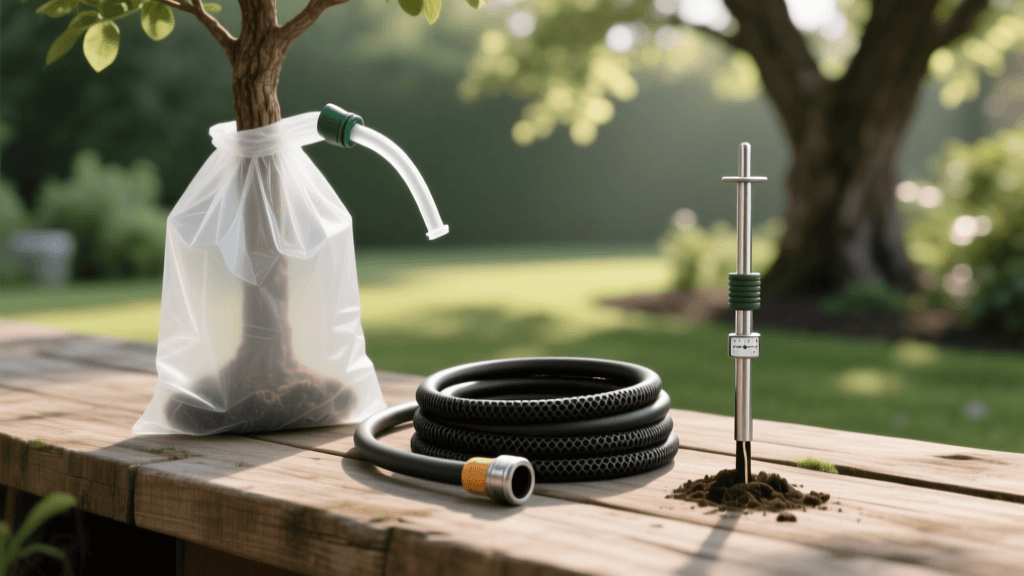
Top Tree Watering Tools: Bags, Hoses, and Probes Reviewed
The Critical First Year: Why Tree Hydration Matters
When it comes to establishing a robust root system for newly planted trees, consistency is everything. Homeowners often struggle with the delicate balance between underwatering, which leads to drought stress and transplant shock, and overwatering, which suffocates roots and invites fatal fungal pathogens. The transition from a nursery container or burlap sack to your native soil is the most vulnerable period in a tree's life. During this time, the root ball can dry out much faster than the surrounding soil, making targeted, consistent irrigation an absolute necessity.
According to the University of Florida IFAS Extension, authored by renowned urban forestry expert Dr. Edward F. Gilman, newly planted trees require frequent irrigation to establish properly. The IFAS guidelines state that trees planted in well-drained soils may need daily watering for the first two weeks, tapering to every two to three days for the next several months. However, standing with a garden hose for twenty minutes every day is rarely practical for the modern homeowner. Fortunately, the market offers specialized tree watering tools designed to automate and optimize this process. In this comprehensive review, we compare the three most popular irrigation methods: tree watering bags, soaker hoses, and deep root watering probes.
1. Tree Watering Bags: The Set-and-Forget Solution
Tree watering bags, with the Treegator Original Slow Release Watering Bag being the industry pioneer, are essentially large, heavy-duty polyethylene bladders that wrap around the base of the tree trunk. Once filled with a standard garden hose, they slowly release water through micro-perforations at the base over a period of 5 to 9 hours.
Product Spotlight: Treegator Original
- Capacity: 15 to 20 gallons (fits trees up to 4 inches in trunk diameter)
- Average Cost: $25 - $35 per bag
- Setup Time: 3 minutes (wrap, zip, fill)
- Lifespan: 2 to 4 seasons (UV degradation eventually breaks down the plastic)
Pros and Cons
Pros: The primary advantage of the Treegator is convenience. It completely eliminates surface runoff, making it exceptionally effective on sloped terrain or in heavy clay soils where water typically pools and runs off before penetrating the root ball. It also keeps the trunk and surrounding mulch relatively dry on the surface, which can help deter certain surface-dwelling pests. Furthermore, it requires zero water pressure to operate, making it ideal for properties with low-flow well systems.
Cons: These bags are not a permanent fixture. Leaving them on the tree year-round can trap moisture against the bark, leading to rot, and can harbor rodents seeking shelter during the winter. They must be removed, cleaned, and stored during the off-season. Additionally, they only water the immediate surface base, which may not encourage deep root growth if the surrounding native soil remains bone dry.
2. Soaker Hoses: The Multi-Tree Marathon Runner
Soaker hoses are porous tubes that 'weep' water along their entire length. They are highly versatile and can be snaked around the base of a single tree, woven through a landscaped garden bed, or connected in series to water an entire row of newly planted privacy trees. The Gilmour Flat Soaker Hose and the Flexogen Heavy Duty Soaker are top contenders in this category.
Product Spotlight: Gilmour Flat Soaker Hose
- Capacity: Variable (delivers approx. 1 gallon per minute per 10 feet at standard pressure)
- Average Cost: $15 - $30 for a 50-foot length
- Setup Time: 10 minutes (routing and securing with landscape staples)
- Lifespan: 3 to 5 seasons (prone to clogging from hard water minerals)
Pros and Cons
Pros: Soaker hoses are incredibly cost-effective, especially if you are planting multiple trees or installing a hedgerow. They can be easily connected to a digital hose timer, allowing you to automate your watering schedule entirely. Because they can be buried under 2 inches of mulch, they are virtually invisible once installed, preserving the aesthetic of your landscape.
Cons: The weeping nature of soaker hoses means they are highly susceptible to clogging if you have hard water with high calcium or magnesium content. They also require relatively flat ground; on a slope, the water will naturally gravity-feed to the lowest point, leaving the uphill portion of the hose dry. Finally, without a pressure regulator, high water pressure can cause the hose to burst at the seams.
3. Deep Root Watering Probes: The Targeted Hydrator
Deep root watering probes, such as the Dramm Deep Root Waterer or the Ross Root Feeder, consist of a long metal or heavy-duty plastic spike that attaches directly to your garden hose. You plunge the spike 12 to 18 inches into the soil, bypassing the surface mulch and thatch, to deliver water and liquid fertilizers directly into the active root zone.
Product Spotlight: Dramm Deep Root Waterer
- Capacity: Variable (flow rate dependent on household water pressure)
- Average Cost: $25 - $45
- Setup Time: 1 minute per insertion point
- Lifespan: 10+ years (brass and steel construction)
Pros and Cons
Pros: This tool is the gold standard for encouraging deep, drought-resistant root growth. By delivering water 18 inches below the surface, you train the tree's roots to grow downward rather than hovering near the surface. The probe also acts as a manual aerator, breaking up compacted clay soils and allowing vital oxygen to reach the root zone. It is virtually indestructible and will easily last a lifetime of gardening.
Cons: Deep root watering is highly labor-intensive. To properly water a tree with a 3-inch caliper, you may need to insert the probe in 6 to 8 different locations around the drip line, holding each for 2 to 3 minutes. It cannot be automated, and forcing the metal spike into dry, rocky, or heavily compacted soil can be physically demanding and may damage shallow feeder roots if done aggressively.
Head-to-Head Comparison Chart
To help you decide which tool fits your specific landscape and lifestyle, we have broken down the core metrics of each irrigation method.
| Feature | Tree Watering Bags | Soaker Hoses | Deep Root Probes |
|---|---|---|---|
| Initial Cost | $25 - $35 | $15 - $30 | $25 - $45 |
| Automation Potential | None (Manual Fill) | High (Use with Timer) | None (Manual Labor) |
| Water Delivery Depth | Surface to 6 inches | Surface to 8 inches | 12 to 18+ inches |
| Best Terrain | Slopes and Clay | Flat Beds and Rows | Compacted Soil |
| Maintenance Level | Medium (Seasonal Storage) | High (Clog Flushing) | Low (Rinse and Store) |
| Expected Lifespan | 2 - 4 Years | 3 - 5 Years | 10+ Years |
How to Calculate Your Tree's Exact Water Needs
Regardless of the tool you choose, knowing how much water to apply is critical. The universal rule of thumb endorsed by arborists and university extensions is to provide 10 gallons of water per week for every inch of trunk caliper. Trunk caliper is measured at 6 inches above the ground for trees up to 4 inches in diameter, and at 12 inches above the ground for larger trees.
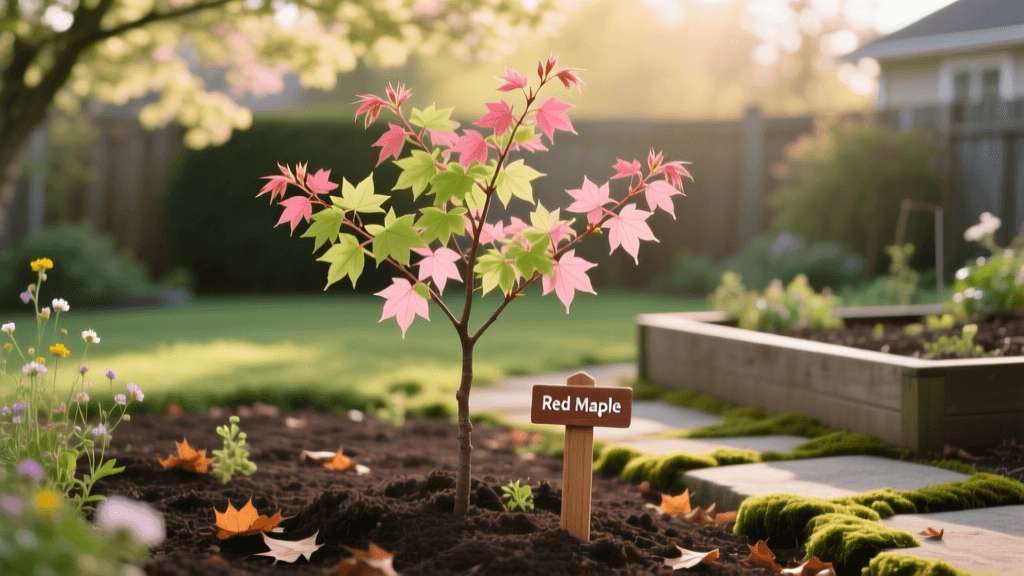
For example, if you plant a Red Maple with a 2.5-inch caliper, it requires approximately 25 gallons of water per week during the growing season. If you are using a 20-gallon Treegator bag, you would need to fill it once completely, and then provide an additional 5 gallons via a hose or watering can a few days later. If you are using a soaker hose, you will need to calculate your hose's output rate (using a bucket and a stopwatch) to ensure you are running the system long enough to hit that 25-gallon weekly threshold.
"The most common mistake homeowners make is watering the trunk rather than the root ball and the surrounding soil. As the tree establishes, the irrigation zone must expand outward to the drip line to encourage lateral root exploration." - University of Florida IFAS Extension Guidelines on Tree Establishment.
Seasonal Maintenance and Tool Care
To protect your investment in these tools, seasonal maintenance is required. Tree watering bags must be unzipped, washed with a mild bleach solution to kill algae and mold, dried completely, and stored in a garage or shed before the first winter freeze. UV exposure and freezing water trapped inside the micro-holes will destroy the plastic if left outdoors year-round.
Soaker hoses should be flushed out at the beginning of every spring. Disconnect the hose from the spigot, remove the end cap, and turn the water on full blast for two minutes to blow out any calcium deposits or dirt that infiltrated the pores over the winter. Deep root probes simply need to be rinsed off with a hose to remove soil and sap, and the brass fittings should be checked for cross-threading or worn rubber O-rings.
Final Verdict: Which Tool Should You Buy?
If you are planting a single specimen tree on a slope or in heavy clay soil and have a busy schedule, the Treegator Watering Bag is your best bet. It guarantees the root ball receives a slow, deep soak without runoff.
If you are planting a privacy screen, hedgerow, or multiple trees in a landscaped bed, invest in a high-quality Soaker Hose paired with a digital timer. It is the most economical and scalable solution for mass plantings.
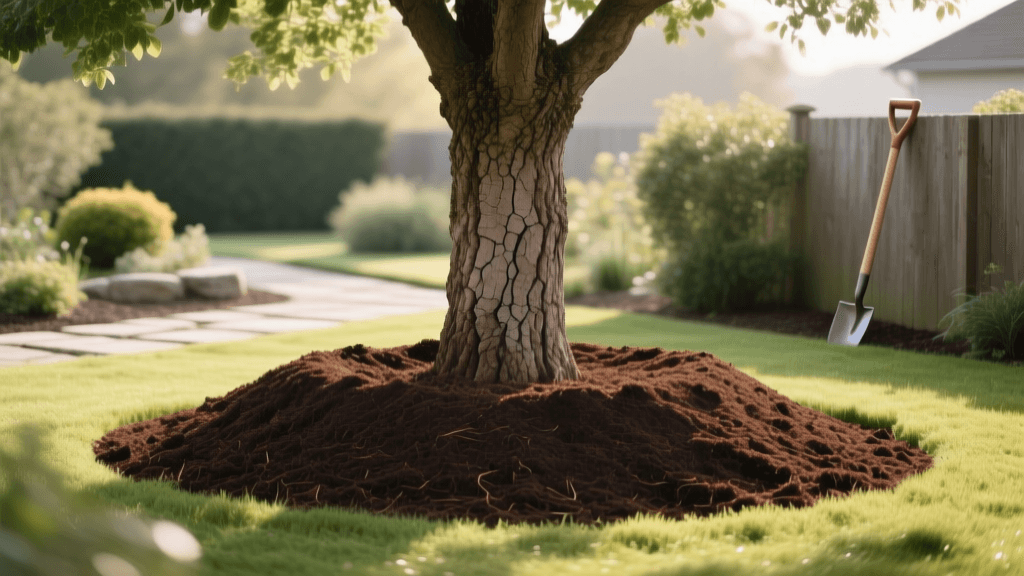
If you are dealing with severely compacted soil, mature trees showing drought stress, or want to build extreme drought resistance in your landscape, the Deep Root Watering Probe is an indispensable tool that will serve you for decades. Ultimately, combining these tools with a thick, 3-inch layer of organic wood chip mulch (kept 3 inches away from the trunk flare) will ensure your trees thrive for generations to come.