Lawn Care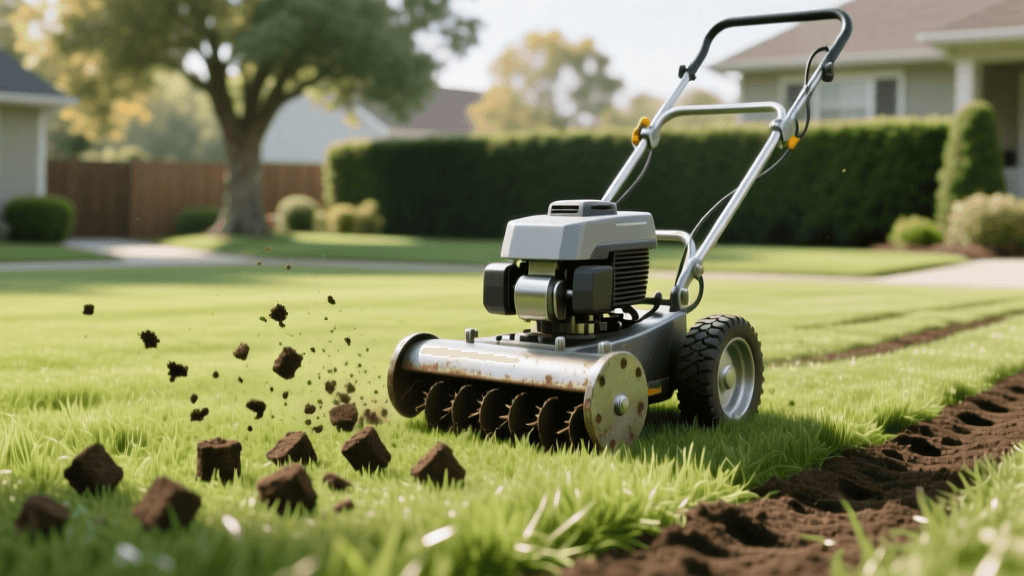
Best Tow-Behind Core Aerators: Reviews & Buyer Guide
Why Core Aeration is Essential for Large Lawns
Maintaining a lush, vibrant lawn across a large property requires more than just regular mowing and fertilization. Over time, foot traffic, heavy equipment, and natural settling cause soil particles to compress, creating a hostile environment for grassroots. This compaction restricts the flow of essential oxygen, water, and nutrients, leading to thinning turf, increased weed pressure, and poor drought tolerance. For homeowners managing one or more acres of land, renting a walk-behind aerator is a backbreaking and time-consuming endeavor. This is where a high-quality tow-behind core aerator becomes an indispensable piece of lawn care equipment.
By attaching a tow-behind aerator to your riding mower, garden tractor, or ATV, you can efficiently extract thousands of soil plugs across your property in a single afternoon. In this comprehensive review and buyer guide, we evaluate the top tow-behind core aerators on the market, comparing their build quality, penetration depth, weight capacities, and overall value to help you make an informed investment for your lawn care arsenal.
The Science of Soil Compaction and Core Removal
Before diving into product reviews, it is crucial to understand why core aeration is vastly superior to spike aeration. Spike aerators simply punch holes into the ground, which can actually worsen compaction by pressing the surrounding soil tightly outward. Core aerators, on the other hand, utilize hollow tines or spoons to physically extract plugs of soil and thatch. According to turfgrass specialists at the Purdue University Extension, removing soil cores that are two to three inches deep and spaced two to three inches apart is the most effective method for relieving deep soil compaction. This process creates permanent channels that allow water to infiltrate the root zone, reduces surface runoff, and stimulates microbial activity that breaks down thatch naturally.
Top 3 Tow-Behind Core Aerators Reviewed
1. Agri-Fab 48-Inch Tow Plug Aerator (Best Overall)
The Agri-Fab 48-Inch Tow Plug Aerator consistently ranks as the gold standard for residential and light-commercial lawn care. Designed for efficiency and durability, this unit features thirty-two galvanized steel coring spoons that resist rust and maintain their sharpness season after season. The forty-eight-inch working width allows you to cover expansive areas quickly, reducing the number of passes required and minimizing overlap fatigue.
One of the standout features of the Agri-Fab model is its massive weight tray, which can safely hold up to one hundred and seventy-five pounds of concrete blocks, sandbags, or gym weights. This downward pressure is critical for forcing the spoons through dense clay soils and thick thatch layers. The aerator rolls on ten-inch flat-free tires, ensuring you never have to worry about flats when navigating thorny brush or rough terrain. The universal hitch easily attaches to most riding mowers and ATVs using a standard pin mechanism.
- Pros: Exceptional width for fast coverage, rust-resistant galvanized spoons, flat-free tires, high weight capacity.
- Pros: Assembly can take up to two hours; requires significant weight for hard-packed clay.
2. Brinly-Hardy 40-Inch Tow Behind Core Aerator (Best Value)
For homeowners with medium-to-large lawns who want professional results without the premium price tag, the Brinly-Hardy 40-Inch Core Aerator is a phenomenal choice. This unit utilizes twenty-four heat-treated steel spoons that are engineered to withstand the stress of rocky or root-heavy soils without bending. While the forty-inch width is slightly narrower than the Agri-Fab, it offers superior maneuverability around tight landscape beds, trees, and narrow gate openings.
The Brinly-Hardy aerator features a robust weight tray capable of holding one hundred and fifty pounds. It also includes a unique single-lever engagement system that allows the operator to raise and lower the spoons from the tractor seat, preventing damage to the tines when crossing driveways or sidewalks. The ten-inch pneumatic tires provide a smooth ride, though they do require occasional air pressure checks. Overall, the Brinly-Hardy offers an unbeatable balance of performance, convenience, and affordability.
- Pros: Excellent maneuverability, heat-treated durable spoons, convenient lever-engagement system, budget-friendly.
- Cons: Pneumatic tires can puncture; narrower width requires more passes on very large properties.
3. Yard Tuff 48-Inch Heavy Duty Aerator (Best for Tough Soil)
If you are battling severely compacted clay or managing a property with highly abrasive soil, the Yard Tuff 48-Inch Heavy Duty Aerator is built like a tank. This heavy-gauge steel unit is designed for serious landscapers and estate owners. It boasts thirty-six reinforced coring spoons that penetrate up to three and a half inches deep, reaching further into the subsoil than most competitors. The weight tray is heavily reinforced and can accommodate an impressive two hundred pounds of ballast.
Because of its heavy-duty construction, the Yard Tuff aerator is significantly heavier than standard models even before adding ballast. This means you will need a riding mower or ATV with substantial towing capacity and a robust transmission. The twelve-inch pneumatic tires are oversized to help distribute the immense weight of the unit, preventing deep ruts in soft turf. While it comes with a higher price tag and requires more horsepower to pull, its ability to obliterate severe compaction makes it a top-tier choice for challenging landscapes.
- Pros: Deepest penetration depth, massive two hundred pound weight capacity, heavy-duty steel frame, oversized tires.
- Cons: Very heavy, requires a powerful towing vehicle, higher price point, pneumatic tires.
Feature Comparison Chart
| Feature | Agri-Fab 48-Inch | Brinly-Hardy 40-Inch | Yard Tuff 48-Inch |
|---|---|---|---|
| Working Width | 48 Inches | 40 Inches | 48 Inches |
| Spoon Count | 32 Galvanized | 24 Heat-Treated | 36 Heavy-Duty |
| Max Weight Capacity | 175 lbs | 150 lbs | 200 lbs |
| Penetration Depth | Up to 3 Inches | Up to 3 Inches | Up to 3.5 Inches |
| Tire Type | 10-Inch Flat-Free | 10-Inch Pneumatic | 12-Inch Pneumatic |
| Ideal Lawn Size | 1 to 3 Acres | 0.5 to 1.5 Acres | 2+ Acres |
| Hitch Type | Universal Pin | Universal Pin | Universal Pin |
How to Choose the Right Aerator for Your Lawn
When selecting a tow-behind core aerator, you must evaluate your specific property conditions and the capabilities of your towing vehicle. Consider the following critical factors before making your purchase:
- Soil Type: If you have dense, heavy clay soil, prioritize an aerator with a high weight capacity and heat-treated or reinforced spoons. The Yard Tuff or Agri-Fab models are ideal here. For sandy or loamy soils, the Brinly-Hardy will perform perfectly.
- Towing Capacity: Check your riding mower or ATV owner manual for the maximum towing weight. Remember that the weight of the aerator frame plus the added ballast can easily exceed three hundred pounds. Ensure your vehicle has the torque and braking power to handle the load safely, especially on slopes.
- Property Layout: If your lawn features narrow pathways, tight corners, or numerous landscape obstacles, a forty-inch model will save you from constant reversing and maneuvering. Wide-open, rectangular properties benefit greatly from a forty-eight-inch width to cut down on aeration time.
- Tire Maintenance: Flat-free tires are highly recommended for properties with thorny weeds, debris, or rough terrain. If you choose a model with pneumatic tires, keep a tire repair kit handy and check the pressure before every use to ensure the spoons maintain an even depth.
Expert Tips for Successful Aeration
Owning the right equipment is only half the battle; proper execution is what yields a championship-caliber lawn. Turfgrass scientists emphasize that timing and preparation are critical for maximizing the benefits of core aeration. Follow these expert-backed steps for the best results:
- Time It Right: Aerate cool-season grasses like Kentucky Bluegrass and Fescue in early fall when the grass is actively growing and can quickly recover. Aerate warm-season grasses like Bermuda and Zoysia in late spring to early summer.
- Hydrate the Soil: Water your lawn deeply twenty-four hours before aerating. The soil should be moist but not saturated. If the ground is too dry, the spoons will not penetrate; if it is too wet, the cores will clog inside the tines and create a muddy mess.
- Mark Hidden Hazards: Always call your local utility locating service before aerating. Additionally, use brightly colored flags to mark shallow sprinkler lines, valve boxes, and invisible dog fences to prevent catastrophic damage.
- Overlap Your Passes: For severely compacted areas, make two passes over the lawn, with the second pass running perpendicular to the first. This creates a dense grid of aeration holes that maximizes soil relief.
- Leave the Plugs: Do not rake up or remove the extracted soil cores. Leave them on the surface of the lawn. Over the next few weeks, rain and mowing will break them down, returning valuable microorganisms and topsoil back into the thatch layer to aid in decomposition.
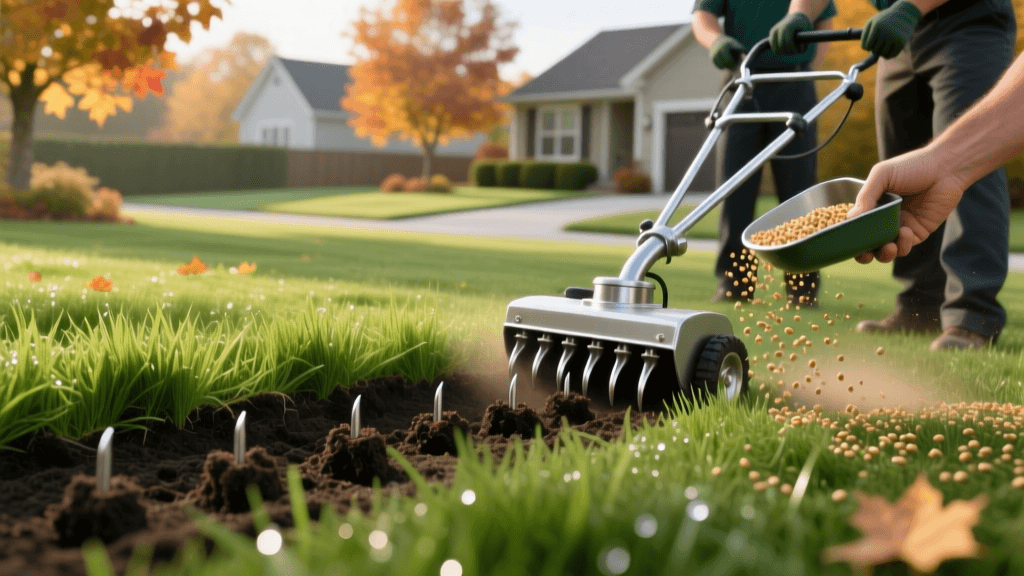
- Overseed and Fertilize: Aeration creates the perfect seed-to-soil contact environment. Immediately after aerating, overseed your lawn and apply a high-quality starter fertilizer. The seeds will fall directly into the aeration holes, protected from birds and drying winds, resulting in dramatically higher germination rates.
Final Verdict
Investing in a tow-behind core aerator transforms lawn aeration from an exhausting weekend chore into a simple, efficient task. For the majority of homeowners managing expansive properties, the Agri-Fab 48-Inch Tow Plug Aerator stands out as the best overall choice due to its wide coverage, rust-resistant spoons, and hassle-free flat-free tires. Budget-conscious buyers will find immense value in the Brinly-Hardy 40-Inch model, while those battling extreme clay compaction should look no further than the heavy-duty Yard Tuff 48-Inch. By pairing the right equipment with proper soil preparation and overseeding techniques, you can permanently reverse soil compaction and cultivate a deeply rooted, drought-resistant lawn that thrives year after year.