Gardening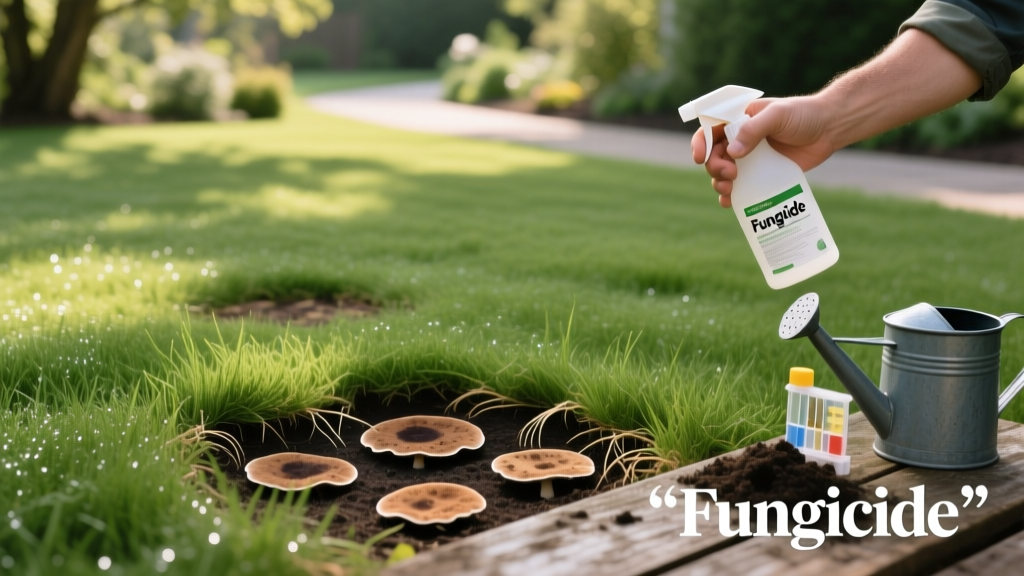
How to Identify and Treat Brown Patch and Dollar Spot
Emily WatsonPublished
The Hidden Threat of Turfgrass Fungi in the Garden Landscape
A pristine, lush lawn is the foundation of any beautiful home garden, providing a vibrant green canvas that complements your flower beds, vegetable patches, and hardscaping. However, turfgrass is highly susceptible to a variety of fungal pathogens that can rapidly destroy your landscape's aesthetic and structural integrity. When lawn diseases take hold, they not only ruin the visual appeal of your yard but can also disrupt the microclimate of your broader garden, creating damp, decaying environments that attract pests and secondary pathogens. Among the most pervasive and destructive turfgrass diseases in North America are Brown Patch and Dollar Spot. Understanding how to accurately identify these fungi, alter the environmental conditions that promote their growth, and apply targeted chemical and cultural treatments is essential for any serious home gardener and lawn care enthusiast.
Brown Patch (Rhizoctonia solani): Identification and Environmental Triggers
Brown Patch is a devastating foliar disease caused by the soil-borne fungus Rhizoctonia solani. It primarily affects cool-season grasses such as Tall Fescue, Kentucky Bluegrass, and Perennial Ryegrass, though it can also attack warm-season species like St. Augustinegrass during their cooler growing periods. According to Penn State Extension, brown patch thrives in periods of high heat and extreme humidity, specifically when daytime temperatures exceed 80°F (26°C) and nighttime temperatures remain above 68°F (20°C).
Symptoms and Field Identification
The hallmark symptom of brown patch is the appearance of circular, irregular, or elongated patches of blighted turf ranging from six inches to several feet in diameter. In the early morning, when dew is heavy, you may observe a 'smoke ring'—a dark, grayish-brown margin at the outer edge of the patch where the fungus is actively advancing. Individual grass blades exhibit tan or light brown lesions with distinct dark brown borders. As the disease progresses, the center of the patch may sometimes recover, leaving a 'frog-eye' or doughnut-shaped appearance. The roots and rhizomes are generally not killed by the pathogen, meaning the turf can recover if environmental conditions improve and proper cultural practices are implemented.
Dollar Spot (Clarireedia jacksonii): Identification and Triggers
Dollar Spot, formerly attributed to Sclerotinia homoeocarpa but now classified under Clarireedia jacksonii, is another highly prevalent turfgrass disease. Unlike brown patch, which favors excessive nitrogen, dollar spot frequently exploits lawns that are nutrient-deficient, particularly lacking in soil nitrogen. Experts at UMass Amherst Extension note that dollar spot is most aggressive when daytime temperatures range between 60°F and 85°F (15°C - 29°C) combined with high humidity, prolonged leaf wetness, and cool nights.
Symptoms and Field Identification
The name 'dollar spot' derives from the initial size of the infected areas, which typically appear as small, circular, straw-colored spots roughly the size of a silver dollar (1 to 3 inches across). If left untreated, these small spots will coalesce into large, irregular blighted areas. A key diagnostic feature is the presence of hourglass-shaped lesions on individual grass blades, featuring a bleached center and a reddish-brown margin. During early mornings with heavy dew, a distinct, cobweb-like white mycelium can be seen stretching across the infected leaves, which dissipates as the sun dries the turf.
Diagnostic Comparison Chart: Brown Patch vs. Dollar Spot
Accurate identification is critical, as the cultural management strategies—specifically nitrogen application—differ vastly between the two diseases. Use the following comparison chart to diagnose your lawn's affliction:
| Diagnostic Feature | Brown Patch | Dollar Spot |
|---|---|---|
| Primary Pathogen | Rhizoctonia solani | Clarireedia jacksonii |
| Patch Size | 6 inches to several feet | 1 to 3 inches (silver dollar size) |
| Leaf Lesions | Irregular tan spots with dark borders | Hourglass-shaped, bleached centers |
| Morning Mycelium | Dark gray 'smoke rings' at margins | White, cobweb-like threads over spots |
| Temperature Trigger | Hot days (>80°F), warm nights (>68°F) | Warm days (60-85°F), cool nights |
| Nitrogen Relationship | Worsened by excessive summer nitrogen | Exploits nitrogen-deficient turf |
Actionable Cultural Treatment Protocols
Before reaching for chemical fungicides, modifying the lawn's microenvironment is the most sustainable way to halt fungal progression and protect the adjacent garden borders.
Precision Watering and Moisture Management
Fungal spores require prolonged leaf wetness (often 10 to 12 hours) to germinate and infect plant tissue. To combat this, water your lawn deeply but infrequently, aiming for 1 to 1.5 inches of water per week. Crucially, adjust your irrigation timers to water between 4:00 AM and 6:00 AM. This timing allows the grass blades to dry rapidly once the sun rises, drastically reducing the window of vulnerability for both brown patch and dollar spot. Avoid evening watering at all costs, as it guarantees overnight leaf wetness.
Mowing Heights and Equipment Sanitation
Scalping the lawn stresses the turf and opens wounds for pathogens to enter. Maintain Tall Fescue at 3.0 to 4.0 inches and Kentucky Bluegrass at 2.5 to 3.5 inches. Never remove more than one-third of the grass blade in a single mowing session. Furthermore, fungal spores cling to mower decks and wheels. If you are managing an active outbreak, sanitize your mower blades with a 10% bleach solution or a commercial quaternary ammonium disinfectant after mowing infected zones to prevent spreading the disease to healthy parts of the lawn or your nearby vegetable garden.
Thatch Management and Soil Aeration
A thatch layer exceeding 0.5 inches acts as a sponge, trapping moisture against the soil surface and harboring fungal pathogens. Perform core aeration annually during the fall or spring growing seasons to alleviate soil compaction, improve drainage, and accelerate thatch decomposition. Top-dressing the lawn with a thin layer of high-quality, screened compost not only introduces beneficial microbes that outcompete pathogenic fungi but also improves the soil structure, mirroring the best practices used in organic vegetable gardening.
Chemical Controls: Fungicide Selection and Application
When cultural practices are insufficient to halt an aggressive outbreak, targeted chemical interventions become necessary. As outlined by Penn State Extension, rotating fungicide modes of action is vital to prevent the pathogens from developing genetic resistance.
Active Ingredients and FRAC Codes
Fungicides are categorized by their FRAC (Fungicide Resistance Action Committee) codes. To treat Brown Patch and Dollar Spot effectively, utilize products containing the following active ingredients, ensuring you rotate between different FRAC groups every 21 to 28 days:
- Azoxystrobin (FRAC Code 11): A highly effective strobilurin fungicide (e.g., Heritage or Scotts DiseaseEX) that provides both curative and preventative control. It is absorbed systemically by the plant, offering up to 28 days of protection.
- Propiconazole (FRAC Code 3): A DMI (Demethylation Inhibitor) triazole fungicide (e.g., Banner MAXX or Bonide Infuse) that halts fungal growth rapidly. It is excellent for curative treatment but should be avoided during extreme heat stress on cool-season grasses to prevent phytotoxicity.
- Fluxapyroxad (FRAC Code 7): An SDHI (Succinate Dehydrogenase Inhibitor) fungicide that provides exceptional control over dollar spot and brown patch, often found in premium professional-grade products like Xzemplar.
Application Timing and Rates
Apply preventative fungicides when nighttime temperatures consistently hit 65°F and high humidity is forecasted. For active, curative treatments, apply at the highest label-recommended rate. Ensure the product is watered in lightly (about 1/8 inch of irrigation) immediately after application if using granular formulations, as this moves the active ingredient into the thatch layer and root zone where the pathogens reside. Always read and follow the manufacturer's label instructions regarding safety gear, pet re-entry intervals, and environmental precautions, especially near garden ponds or edible crop borders.
Integrating Lawn Health with Broader Garden Care
Treating lawn diseases is not an isolated task; it is a critical component of holistic garden management. Decaying turf can harbor pests like fungus gnats and slugs, which may subsequently migrate to your ornamental flower beds or vegetable patches. By maintaining a robust, disease-free lawn through precise irrigation, balanced fertility, and strategic fungicide use, you create a resilient outdoor ecosystem. Regularly monitor the transition zones where your lawn meets your garden mulch beds, as the microclimates in these border areas often trap excess moisture and serve as the initial breeding grounds for both brown patch and dollar spot. Through vigilant observation and proactive care, your lawn and garden will thrive together in harmonious health.
