Tree Care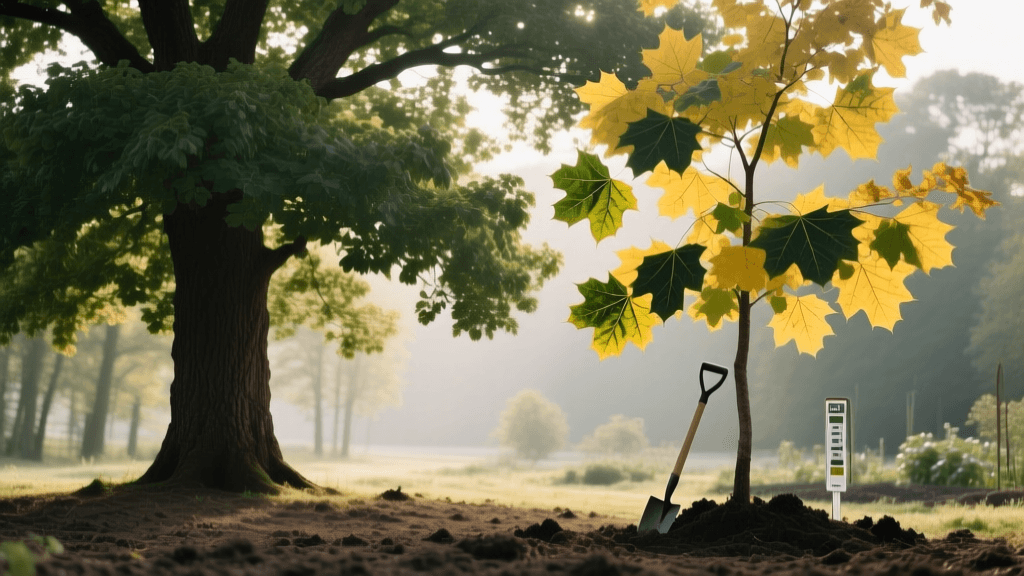
Diagnose and Treat Iron Chlorosis in Oak and Maple Trees
Understanding Iron Chlorosis in Trees
Iron chlorosis is one of the most frustrating and destructive nutritional disorders affecting landscape trees, particularly pin oaks, red maples, sweetgums, and sycamores. When a tree suffers from iron chlorosis, it cannot produce adequate amounts of chlorophyll, the pigment responsible for photosynthesis and the vibrant green color of leaves. Without sufficient chlorophyll, the tree starves, leading to stunted growth, severe leaf scorch, branch dieback, and eventually, the death of the tree if left untreated.
For homeowners and property managers, watching a prized shade tree slowly turn yellow and brown can be alarming. However, iron chlorosis is highly manageable if diagnosed early and treated with the correct methodology. This comprehensive guide will walk you through the exact steps to diagnose iron chlorosis, understand the underlying soil chemistry causing the problem, and implement proven, cost-effective solutions to restore your tree's health.
How to Diagnose Iron Chlorosis
Accurate diagnosis is the first step in any successful tree care regimen. Iron chlorosis presents with a very specific set of visual symptoms that distinguish it from other nutrient deficiencies, drought stress, or root rot.
Key Visual Symptoms
- Interveinal Chlorosis: The hallmark sign of iron deficiency is interveinal chlorosis. The leaf tissue between the veins turns pale yellow or almost white, while the leaf veins themselves remain distinctly green. This creates a stark, web-like contrast on the leaf surface.
- New Growth Affected First: Because iron is an immobile nutrient within the plant, the tree cannot translocate it from older leaves to newer ones. Therefore, symptoms will always appear on the newest, outermost leaves at the tips of the branches first. If the older, inner leaves are yellowing while new growth is green, you are likely dealing with a nitrogen or magnesium deficiency, not iron.
- Leaf Scorch and Marginal Browning: As the chlorosis worsens into mid-summer, the yellowed leaf margins will begin to scorch, turning brown and crispy. This is because the compromised leaf tissue cannot regulate water loss or withstand solar radiation.
- Branch Dieback: In chronic cases spanning multiple seasons, entire branches will fail to leaf out in the spring, and the canopy will become noticeably thin and sparse.
The Hidden Culprit: Soil pH and Nutrient Lockout
A common misconception among novice gardeners is that iron chlorosis occurs because the soil lacks iron. In reality, most soils contain abundant iron. The problem is not a lack of iron, but a lack of available iron.
Iron availability is strictly governed by soil pH. In acidic soils (pH below 6.5), iron is highly soluble and easily absorbed by tree roots. However, in alkaline soils (pH above 7.0), iron oxidizes and binds with calcium and phosphorus, forming solid compounds that tree roots cannot absorb. This phenomenon is known as nutrient lockout.
According to the University of Minnesota Extension, iron chlorosis is rarely caused by a lack of iron in the soil. Instead, it is typically triggered by high soil pH, which binds the iron and makes it unavailable to the tree roots. Overwatering, poor drainage, and compacted soil can further exacerbate the issue by depriving roots of the oxygen needed to absorb nutrients.
University of Minnesota Extension - Iron Chlorosis in Trees
Additionally, excessive applications of high-phosphorus fertilizers can induce iron chlorosis by chemically locking up the iron in the rhizosphere. Before applying any treatments, it is critical to conduct a professional soil test to determine your exact soil pH and phosphorus levels.
Proven Treatment Solutions
Once you have confirmed iron chlorosis and tested your soil pH, you must select the appropriate treatment. The best approach depends on the severity of the deficiency, the size of the tree, and the time of year.
1. Foliar Sprays (The Quick Fix)
Applying a liquid iron chelate or ferrous sulfate directly to the leaves can green up a tree in a matter of days. This is an excellent diagnostic tool and a good short-term rescue treatment for small trees.
- Products: Ferrous sulfate powder or liquid chelated iron sprays.
- Application: Mix according to label rates (typically 1 to 2 tablespoons of ferrous sulfate per gallon of water) and spray until runoff in the early morning.
- Limitations: Foliar sprays only affect the leaves that are sprayed. New growth will still emerge yellow, and the treatment must be repeated every few weeks. It is also impractical for large, mature shade trees.
2. Soil Application of EDDHA Chelates
Chelates are synthetic organic molecules that wrap around the iron ion, protecting it from binding with soil particles and keeping it available to the roots. However, not all chelates are created equal. In high-pH soils, standard EDTA chelates will break down and fail. You must use EDDHA chelates (such as Sequestrene 138 or Miller's Ferriplus), which remain stable in soils with a pH up to 9.0.
- Products: EDDHA Iron Chelate (look for the ortho-ortho isomer for maximum effectiveness).
- Application: Apply 1 to 2 ounces of EDDHA granules per inch of trunk diameter. Dissolve in water and drench the soil in the drip line (the area directly beneath the outermost branches) in early spring before bud break.
- Cost: EDDHA chelates are expensive, typically costing $40 to $80 per large tree per application, but they are highly effective for 1 to 2 years.
3. Soil Acidification with Elemental Sulfur
To address the root cause of the problem, you must lower the soil pH. Elemental sulfur is the most effective and safest long-term soil acidifier. Soil bacteria convert the sulfur into sulfuric acid, gradually lowering the pH and freeing up native soil iron.
- Products: 90% Elemental Sulfur (prilled or granular).
- Application: Apply 1 to 2 pounds of elemental sulfur per 100 square feet of soil area beneath the canopy. Incorporate lightly into the top 2 inches of soil or apply over mulch and water heavily. Best applied in the fall.
- Limitations: Sulfur takes 6 to 12 months to alter soil pH and is less effective in heavy clay soils or soils with high free lime (calcium carbonate) content.
4. Trunk Injections (Macro and Micro-Infusion)
For large, mature trees, or trees growing in paved areas where soil amendments are impossible, direct trunk injection is the gold standard. A certified arborist drills small holes into the xylem (the tree's vascular system) and uses pressurized capsules to inject liquid iron directly into the sap stream.
- Products: Arborjet Iron-Mn or Mauget Ferramec.
- Timing: Must be performed in early spring, just after bud break when the sap is actively flowing upward.
- Cost: Professional trunk injections typically cost between $12 and $18 per inch of DBH (Diameter at Breast Height). A 20-inch oak tree will cost approximately $240 to $360 per treatment, which lasts 2 to 3 years.
Treatment Comparison Chart
Use the following table to determine which treatment strategy best fits your specific landscape needs and budget.
| Treatment Method | Application Timing | Estimated Cost | Duration of Effect | Best Use Case |
|---|---|---|---|---|
| Foliar Spray | Early Summer | $15 - $30 per tree | 1 Season (Weeks) | Mild cases, quick greening, small trees |
| Soil EDDHA Chelates | Early Spring or Fall | $40 - $80 per tree | 1 - 2 Years | Moderate cases, accessible soil, high pH |
| Elemental Sulfur | Fall | $20 - $50 per tree | 3 - 5 Years | Long-term pH correction, new plantings |
| Trunk Injection | Early Spring | $12 - $18 per inch of DBH | 2 - 3 Years | Severe cases, large trees, paved areas |
Step-by-Step Recovery Action Plan
To successfully rehabilitate a chlorotic tree, follow this systematic approach:
- Test the Soil: Purchase a soil test kit from your local university extension office. Measure the pH and phosphorus levels. If pH is above 7.2, iron lockout is confirmed.
- Measure the DBH: Measure the circumference of the tree trunk at 4.5 feet above the ground. Divide by 3.14 to get the Diameter at Breast Height (DBH). This is required for calculating chelate and injection dosages.
- Correct Watering Practices: Overwatering fills soil pores with water, displacing oxygen. Roots need oxygen to absorb iron. Ensure the tree is receiving deep, infrequent watering rather than daily shallow sprinklings. Use a soil probe to check moisture 6 inches below the surface.
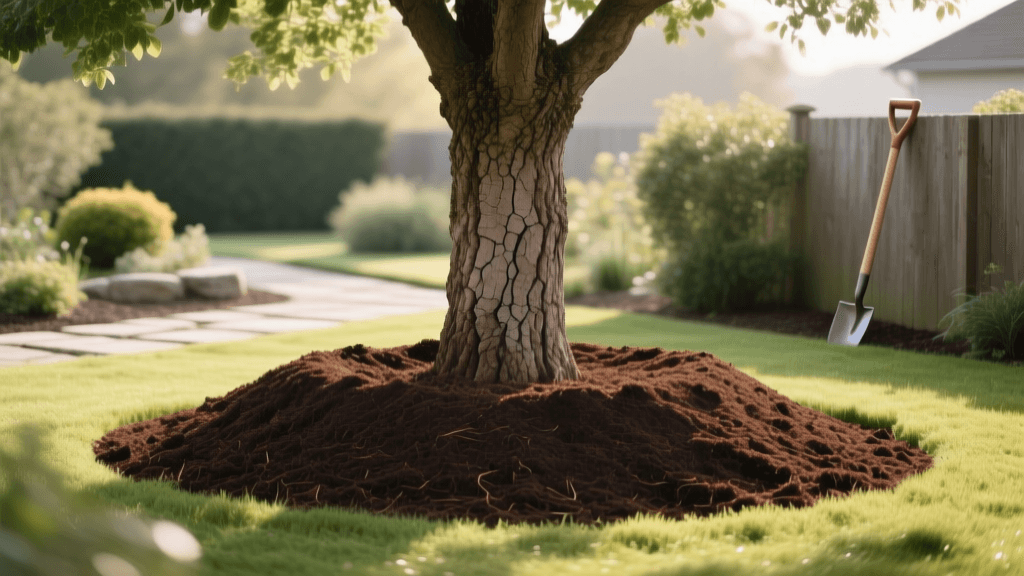
- Remove Excess Mulch: Volcano mulching (piling mulch against the trunk) suffocates roots and keeps the soil too cool and wet. Pull mulch back to create a 3-inch deep ring, keeping it at least 4 inches away from the trunk flare.
- Apply the Primary Treatment: In early spring, apply EDDHA chelates to the soil drip line. If the tree is severely stressed and over 15 inches DBH, hire an ISA Certified Arborist to perform a trunk injection for immediate vascular delivery.
- Apply Sulfur in the Fall: Once the growing season ends, apply elemental sulfur to the soil to begin the slow process of lowering the pH for the following year.
Preventative Measures for Future Plantings
The most cost-effective way to manage iron chlorosis is to avoid planting susceptible species in high-pH soils. If you live in an area with naturally alkaline, calcareous soils, avoid planting pin oak, red maple, silver maple, and river birch. Instead, opt for alkaline-tolerant species such as bur oak, English oak, hackberry, honeylocust, and ginkgo. If you must plant a susceptible species, heavily amend the planting zone with peat moss and elemental sulfur prior to installation, and commit to an annual EDDHA chelate maintenance schedule.
When to Call a Certified Arborist
While soil amendments and foliar sprays can be handled by dedicated DIY homeowners, trunk injections and severe canopy dieback assessments require professional expertise. Improper drilling techniques during trunk injections can introduce wood-decay fungi or girdle the tree's vascular system. If your tree has lost more than 30% of its canopy to dieback, or if it is located near structures where falling limbs pose a hazard, contact an ISA Certified Arborist immediately for a comprehensive risk assessment and professional treatment plan.