Gardening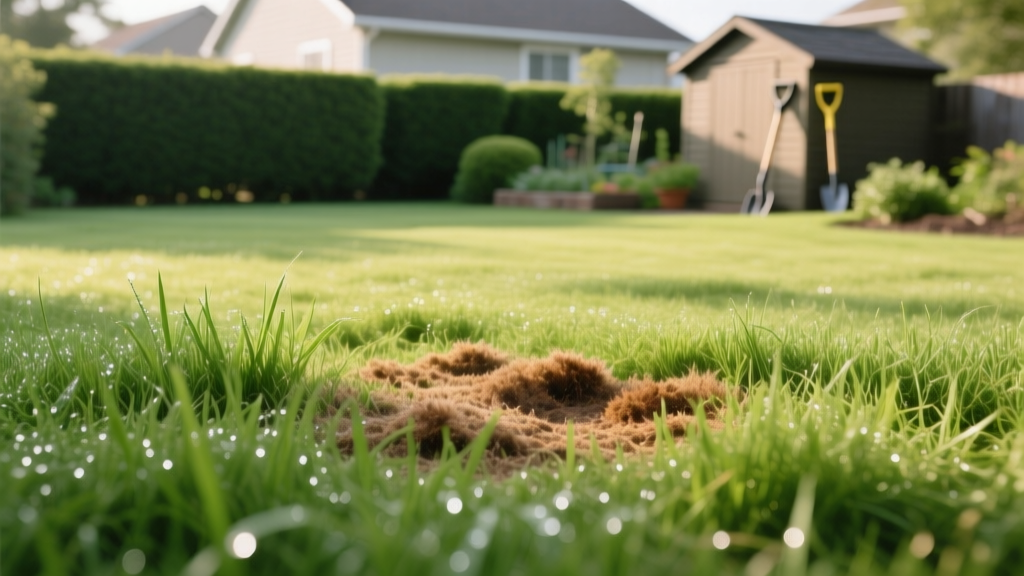
Identifying and Treating Brown Patch Fungus in Home Lawns
Anna KowalskiPublished
Understanding Brown Patch Disease
Brown patch is one of the most common and destructive turfgrass diseases affecting home lawns across the United States. Caused by the soil-borne fungal pathogen Rhizoctonia solani, this disease can rapidly transform a lush, green landscape into a patchwork of dead, unsightly brown circles. While it is primarily a foliar disease—meaning it attacks the leaves and stems of the grass rather than the root system—it can cause severe thinning and, in extreme cases, kill the turf entirely if left untreated. For home gardeners and lawn care enthusiasts, understanding the lifecycle of this pathogen is the first step toward effective management and long-term lawn health.
Unlike some lawn diseases that only strike during specific, narrow windows of the year, brown patch can remain active in the soil for years, waiting for the precise environmental conditions to trigger an outbreak. The fungus survives the winter as sclerotia (compact masses of hyphae) in the soil or thatch layer. When temperatures and humidity rise, these sclerotia germinate, producing mycelium that infects the grass blades. According to the Clemson University Home & Garden Information Center, brown patch is most severe when turfgrass remains wet for extended periods, making moisture management a critical component of any treatment strategy.
Visual Identification: Spotting the Symptoms Early
Early identification is crucial for stopping the spread of Rhizoctonia solani. The disease typically manifests in the following ways:
- Circular Patches: The most obvious symptom is the appearance of circular or irregularly shaped brown patches ranging from a few inches to several feet in diameter.
- Smoke Rings: In the early morning, when dew is present, you may notice a dark, purplish-black 'smoke ring' bordering the outer edge of the patch. This ring indicates the active leading edge of the fungal infection.
- Frog-Eye Appearance: As the disease progresses, the center of the patch may sometimes recover and turn green again, while the outer ring remains brown and necrotic, creating a 'frog-eye' or doughnut shape.
- Leaf Lesions: Upon close inspection of individual grass blades, you will see tan or light brown lesions with dark brown, distinct borders. These lesions often girdle the leaf, causing the tip to die back.
The NC State University TurfFiles database notes that distinguishing brown patch from other diseases like dollar spot or Pythium blight requires careful observation of these leaf lesions and the overall size of the affected patches.
Susceptible Grass Types and Environmental Triggers
While Rhizoctonia solani can attack almost any turfgrass species, it is particularly devastating to cool-season grasses such as tall fescue, perennial ryegrass, and creeping bentgrass. Warm-season grasses like St. Augustinegrass, centipedegrass, and zoysiagrass are also susceptible, especially during their transition into or out of winter dormancy.
The fungus thrives under very specific environmental conditions. Outbreaks are most common during the hot, humid months of summer. The ideal conditions for brown patch development include:
- Daytime temperatures consistently above 80°F (27°C).
- Nighttime temperatures remaining above 68°F (20°C).
- High relative humidity or prolonged periods of leaf wetness (from rain, heavy dew, or improper irrigation).
- Excessive nitrogen fertilization, which produces lush, succulent growth that is highly vulnerable to fungal penetration.
Cultural Practices for Prevention and Control
Before reaching for chemical treatments, homeowners must address the cultural and environmental factors that invite the disease. Fungicides will only provide temporary relief if the underlying lawn care practices are flawed.
1. Strategic Watering
Water your lawn deeply but infrequently. The goal is to keep the soil moist while allowing the grass blades to dry out completely between waterings. Always water in the early morning (between 4:00 AM and 8:00 AM). Watering in the evening leaves the grass wet overnight, creating the perfect breeding ground for brown patch. Penn State Extension emphasizes that reducing leaf wetness duration is the single most effective cultural control method for this disease.
2. Mowing and Airflow
Raise your mowing height during the peak heat of summer. Taller grass develops deeper root systems and experiences less heat stress. For tall fescue, maintain a height of 3 to 4 inches. Additionally, prune back overhanging tree branches and shrubs to increase sunlight penetration and improve air circulation across the lawn, which helps evaporate morning dew faster.
3. Thatch Management and Core Aeration
A thatch layer thicker than half an inch acts like a sponge, holding moisture against the grass stems and harboring fungal spores. Rent a vertical mower or power rake to dethatch the lawn in the early fall or spring. Furthermore, annual core aeration relieves soil compaction, improves drainage, and allows water and nutrients to reach the root zone rather than pooling on the surface.
4. Nitrogen Management
Avoid applying high-nitrogen, quick-release fertilizers during the hot summer months. Excessive nitrogen forces the grass to produce thin, weak cell walls that the fungus can easily penetrate. Switch to slow-release, organic nitrogen sources or hold off on heavy fertilization until the cooler fall months when cool-season grasses naturally recover.
Chemical Treatment: Fungicide Options and Application
When cultural practices are not enough, or when a severe outbreak threatens to destroy the lawn, chemical intervention is necessary. Fungicides are most effective when used preventatively or at the very first sign of disease. Once the grass blade is dead, no fungicide can bring it back; the goal is to protect the healthy tissue and stop the spread.
It is critical to rotate fungicides with different modes of action (FRAC codes) to prevent the fungus from developing chemical resistance. Below is a comparison of common active ingredients used for brown patch control:
| Active Ingredient | FRAC Code | Product Example | Application Type | Efficacy Notes |
|---|---|---|---|---|
| Azoxystrobin | 11 | Heritage G / Scotts DiseaseEx | Preventative & Early Curative | Excellent systemic control; rotates well with Group 3 fungicides. |
| Propiconazole | 3 | Banner MAXX / Honor Guard | Preventative & Curative | Fast-acting and stops spread quickly; can cause slight growth regulation. |
| Myclobutanil | 3 | Immunox / Spectracide | Preventative & Early Curative | Widely available for consumers; good for mild to moderate outbreaks. |
| Fludioxonil | 12 | Medallion | Preventative (Contact) | Excellent contact fungicide; great for tank-mixing with systemic options. |
Application Tips: Always read the product label carefully. Apply granular fungicides before an expected rainfall or water them in lightly with a sprinkler to move the active ingredient down to the thatch and soil level where the fungus resides. For liquid sprays, use a hose-end or pump sprayer and apply evenly across the affected area and a 2-foot buffer zone surrounding it.
Lawn Recovery and Reseeding Strategies
If the brown patch has already killed sections of your lawn, the damaged areas will not recover on their own. You must actively repair the turf. Wait until the disease is completely halted and environmental conditions have cooled, typically in early fall for cool-season grasses.
- Rake the Area: Vigorously rake the dead patches to remove dead grass, debris, and fungal sclerotia. This also scratches the soil surface to ensure good seed-to-soil contact.
- Topdress with Compost: Apply a thin layer (about 1/4 inch) of high-quality, screened compost. Compost introduces beneficial microbes that naturally compete with Rhizoctonia solani and improves soil structure.
- Overseed: Choose a disease-resistant grass cultivar. Many modern tall fescue and perennial ryegrass varieties have been bred specifically for enhanced resistance to brown patch. Sow the seed at the recommended rate for your region.
- Keep Moist: Water the newly seeded areas lightly and frequently (2-3 times a day) until germination occurs, then transition back to deep, infrequent watering to avoid re-triggering the fungus.
By combining vigilant monitoring, proper cultural maintenance, and targeted chemical treatments when necessary, you can successfully manage brown patch and maintain a thick, vibrant, and healthy lawn throughout the growing season.
