Tree Care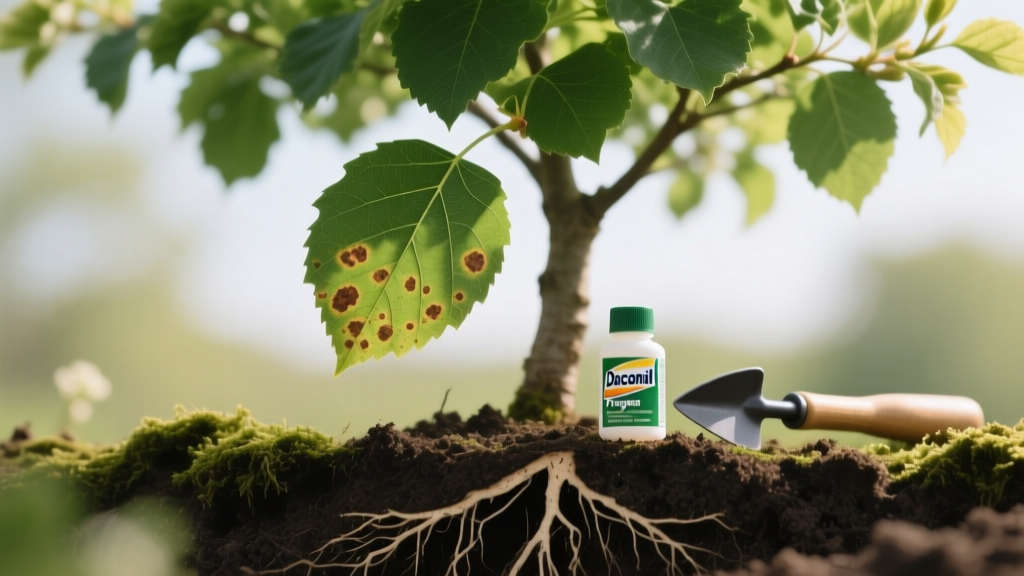
Tree Anthracnose, Daconil & Core Aeration: 2026 Guide
David ParkPublished
Understanding Tree Anthracnose in 2026
As we navigate the shifting climate patterns of 2026, cool, wet springs have become increasingly common across many regions of the United States. While this moisture is excellent for spring lawn growth, it creates the perfect breeding ground for one of the most destructive foliar diseases in arboriculture: anthracnose. Anthracnose is not a single disease, but rather a group of fungal diseases caused by various pathogens (primarily Apiognomonia and Discula species) that attack a wide variety of shade trees, including sycamore, oak, ash, and maple.
When left untreated, anthracnose can cause severe defoliation, twig dieback, and long-term structural weakening. However, modern tree care requires a holistic approach. Relying solely on chemical sprays is no longer the industry standard. In 2026, the most effective treatment protocols combine targeted fungicide applications—specifically using Daconil (chlorothalonil)—with advanced cultural practices like tree root zone core aeration. By addressing both the fungal pathogen and the underlying environmental stressors, homeowners and landscape professionals can save their canopy and ensure long-term tree vitality.
Identifying Anthracnose Symptoms on Shade Trees
Accurate identification is the first step toward effective treatment. Anthracnose symptoms often mimic other environmental stresses, such as frost damage or drought. According to The Morton Arboretum, the disease typically begins in the lower, inner canopy where humidity is highest and air circulation is poorest.
Key Visual Indicators:
- Leaf Lesions: Irregular, tan to brown blotches that often form along the leaf veins. Unlike fungal leaf spots, anthracnose lesions are not perfectly circular.
- Shoot Blight: In severe cases, the fungus girdles young twigs, causing them to wither, die, and curl into a "shepherd's crook" shape.
- Premature Defoliation: Heavily infected trees may drop their leaves entirely by early summer, forcing them to expend vital energy reserves to push out a second flush of growth.
- Trunk Cankers: On species like sycamore, the fungus can cause perennial cankers on the main trunk, leading to bark sloughing and structural decay.
The Hidden Culprit: Soil Compaction and Tree Stress
Why do some trees succumb to anthracnose while neighboring trees of the same species remain healthy? The answer often lies beneath the soil surface. Trees growing in highly compacted soils suffer from hypoxia (oxygen deprivation) in the rhizosphere. When fine feeder roots suffocate, the tree experiences chronic water and nutrient stress, severely compromising its natural immune system.
This is where the concept of core aeration transitions from lawn care to advanced tree care. While lawn core aeration involves pulling small 2-inch plugs to relieve surface compaction, tree core aeration (often referred to as vertical mulching or radial trenching) requires a more specialized approach to protect major structural roots while oxygenating the critical root zone.
How Tree Core Aeration Works
Instead of using a standard lawn plugger, arborists use manual soil augers, pneumatic air-spades, or specialized deep-tine aerators to create vertical columns in the soil within the tree's drip line. These cores are typically 2 inches in diameter and 8 to 12 inches deep. The extracted compacted clay is removed and replaced with a porous mixture of compost, pine bark, and coarse sand. This process dramatically improves soil drainage, increases oxygen flow to the roots, and encourages the growth of a robust, disease-resistant root system.
Daconil Fungicide: Application and Safety Protocols
While core aeration builds long-term resilience, an active anthracnose outbreak requires immediate chemical intervention. Daconil, whose active ingredient is chlorothalonil, remains one of the most trusted broad-spectrum, protectant fungicides available in 2026. It works by creating a protective barrier on the leaf surface, preventing fungal spores from germinating and penetrating the plant tissue.
It is crucial to understand that Daconil is a protectant, not a systemic curative. It will not cure leaves that are already dead or heavily infected. Therefore, timing is everything.
Expert Tip: "For Daconil to be effective against anthracnose, the first application must be applied at bud break, just as the leaves are beginning to expand. Subsequent applications should follow at 10 to 14-day intervals during cool, wet spring weather."
Mixing and Application Rates
Always read the 2026 product label before use. For most ornamental shade trees, the standard mixing rate for Daconil Weather Stik or Daconil Ultrex is approximately 1.5 to 2.5 teaspoons per gallon of water for small-scale pump sprayers, or scaled up for hydraulic boom sprayers. Ensure thorough coverage of both the upper and lower leaf surfaces, as well as the twigs and branches where the fungus overwinters.
Safety Note: Chlorothalonil is a known skin and eye irritant. Always wear chemical-resistant gloves, long sleeves, protective eyewear, and an N95 or P100 respirator when mixing and spraying. Keep pets and children away from the treated area until the spray has completely dried.
Step-by-Step: Combining Core Aeration and Daconil
To maximize your tree's health, integrate both cultural and chemical treatments into your annual maintenance schedule. The University of Minnesota Extension emphasizes that combining soil management with targeted spraying yields the highest survival rates for susceptible species.
- Late Fall / Winter: Prune out dead or cankered twigs to remove overwintering fungal fruiting bodies. Rake and destroy all fallen leaves; do not compost them.
- Early Spring (Before Bud Break): Perform tree core aeration. Map out a grid or radial pattern starting 3 feet from the trunk and extending to the drip line. Drill your cores, amend the soil, and water deeply to help the roots absorb the new nutrients.
- Spring (Bud Break): Apply the first round of Daconil fungicide as the leaf buds begin to swell and open.
- Mid-Spring: Monitor the weather. If rain is persistent, apply follow-up treatments of Daconil every 10-14 days until the leaves reach full size and the weather warms and dries.
Anthracnose Susceptibility & Aeration Benefits by Species
| Tree Species | Anthracnose Risk Level | Primary Symptoms | Core Aeration Benefit |
|---|---|---|---|
| American Sycamore | Very High | Severe defoliation, trunk cankers | Reduces soil moisture retention, limiting fungal splash-up |
| White Oak | Moderate | Leaf blotches along major veins | Alleviates clay compaction, boosting tannin production for defense |
| Green Ash | High | Twig dieback, premature leaf drop | Improves drainage, reducing stress that invites secondary borers |
| Sugar Maple | Low to Moderate | Irregular brown spots on leaves | Enhances mycorrhizal fungi networks for better nutrient uptake |
2026 Cost Estimates: Professional vs. DIY
Budgeting for comprehensive tree care requires understanding the costs associated with both aeration and chemical treatments. In 2026, the cost of professional arborist services has stabilized, though equipment costs for DIYers have seen slight increases.
- DIY Daconil Application: A 2.5-gallon jug of commercial-grade chlorothalonil costs between $80 and $120. A high-quality 2-gallon pump sprayer will cost around $45. Total DIY chemical cost: ~$150.
- DIY Core Aeration: Renting a manual gas-powered earth auger for a weekend costs approximately $75 to $100 per day. Amending materials (compost/sand) will cost around $50. Total DIY aeration cost: ~$150.
- Professional Arborist Services: Hiring an ISA-certified arborist to perform pneumatic air-spading (the gold standard for tree root aeration) and professional hydraulic fungicide injections or sprays typically ranges from $450 to $900 per mature tree, depending on canopy size and regional labor rates.
Conclusion
Managing tree anthracnose in 2026 requires moving beyond reactive spraying. By accurately identifying the disease, utilizing Daconil fungicide as a protective shield during critical spring windows, and implementing deep root zone core aeration to eliminate soil compaction, you provide your trees with a comprehensive defense system. Healthy, well-aerated roots translate to vigorous canopies capable of shaking off fungal threats and thriving for decades to come.