Tree Care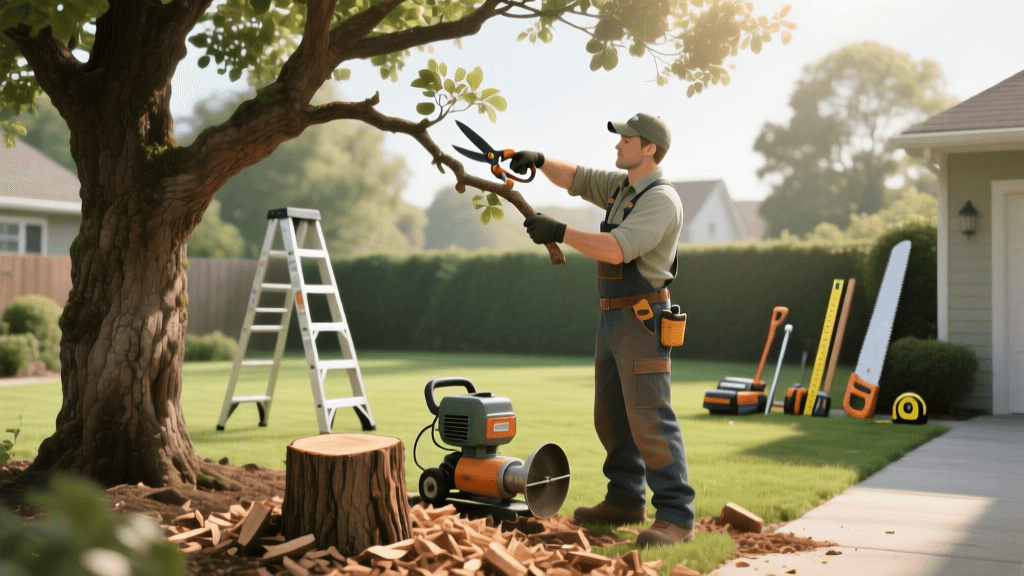
The Ultimate Tree Care Cost Guide: Pruning and Removal
Introduction to Tree Care Budgeting
Homeowners often view trees as static elements of their landscape, forgetting that they are living organisms requiring ongoing maintenance, health assessments, and occasionally, professional removal. Budgeting for tree care is not just about keeping your yard looking pristine; it is a critical component of property management, risk mitigation, and long-term financial planning. A neglected tree can become a severe liability, potentially causing thousands of dollars in damage to your home, vehicles, or neighboring properties during a severe storm. This comprehensive cost and budgeting guide will break down the average expenses associated with professional tree care services, including pruning, removal, stump grinding, and health assessments. By understanding these costs, you can create a realistic annual landscape budget and avoid the sticker shock of emergency tree services.
Understanding the Baseline Costs of Tree Care
When planning your landscape budget, it is essential to categorize tree care into routine maintenance and major interventions. Routine maintenance includes annual or bi-annual pruning, mulching, and basic health assessments. Major interventions involve large-scale removals, storm damage cleanup, and complex cabling or bracing systems. The costs for these services vary wildly based on your geographic location, the specific arborist you hire, and the complexity of the job.
Tree Pruning and Trimming Costs
Pruning is vital for maintaining structural integrity, removing deadwood, and ensuring adequate sunlight penetration. Professional arborists follow ANSI A300 pruning standards to ensure tree health is not compromised. The cost of pruning is generally dictated by the height and canopy spread of the tree.
- Small Trees (Under 30 feet): Pruning small ornamental trees, such as Japanese Maples or Dogwoods, typically costs between $150 and $400. These can often be accessed with hand pruners, loppers, and small pole saws, requiring less labor and minimal equipment.
- Medium Trees (30 to 60 feet): Trees like Red Maples or Birch require more advanced climbing techniques or the use of a bucket truck. Expect to pay between $400 and $900 for a thorough crown cleaning and deadwood removal.
- Large Trees (Over 60 feet): Mature Oaks, Pines, and Sycamores demand highly skilled climbers, heavy-duty rigging, and significant time. Pruning these giants generally ranges from $900 to $1,800 or more, depending on the extent of the work required.
Tree Removal and Stump Grinding
Tree removal is the most expensive tree care service due to the high level of risk, specialized equipment, and insurance liabilities involved.
- Small Tree Removal: $200 to $500.
- Medium Tree Removal: $500 to $1,200.
- Large Tree Removal: $1,200 to $3,000+.
Stump grinding is usually billed separately from the removal of the tree itself. Arborists typically charge between $2 and $5 per inch of stump diameter. For a medium-sized stump measuring 20 inches across, you can expect to pay an additional $40 to $100. If you require complete stump and root extraction for future construction, the costs will be significantly higher due to the need for heavy excavation equipment.
Comprehensive Tree Care Cost Breakdown
| Service Type | Small Tree / Scope | Medium Tree / Scope | Large Tree / Scope |
|---|---|---|---|
| Routine Pruning | $150 - $400 | $400 - $900 | $900 - $1,800+ |
| Complete Removal | $200 - $500 | $500 - $1,200 | $1,200 - $3,000+ |
| Stump Grinding | $40 - $80 | $80 - $150 | $150 - $400+ |
| Cabling / Bracing | $150 - $250 | $250 - $500 | $500 - $1,000+ |
Key Factors Influencing Your Tree Service Quote
Why does one company quote $800 while another quotes $1,500 for the same tree removal? Several variables impact the final invoice.
Tree Health and Condition
Dead, diseased, or rotting trees are incredibly hazardous to climb. Arborists cannot rely on the tree's structural integrity to support their weight or rigging lines. Consequently, dead tree removals often require a mobile crane, which can add $500 to $1,000 to the daily project cost.
Accessibility and Location
A tree standing in an open field is easy to drop and process. A tree leaning over your roof, entangled in power lines, or surrounded by a fenced backyard requires meticulous sectional dismantling. The more obstacles present, the higher the labor hours and the higher the overall cost.
Seasonality and Emergency Premiums
Tree care is a seasonal industry. Scheduling routine pruning during the winter dormant season can sometimes yield a 10% to 15% discount, as arborists are looking to fill their off-season schedules. Conversely, emergency storm damage cleanup often carries a premium due to the immediate hazard and high demand.
The Financial Value of Preventative Tree Health Assessments
Many homeowners wait until a tree shows visible signs of decline—such as fungal conks, peeling bark, or premature leaf drop—before calling a professional. At this stage, the tree is often beyond saving and must be removed. Budgeting for a preventative health assessment by an ISA Certified Arborist is a highly cost-effective strategy. An arborist consultation typically costs between $75 and $150 per hour. During this visit, the arborist can identify early signs of pest infestations (like the Emerald Ash Borer or Asian Longhorned Beetle), soil compaction issues, and structural defects.
According to the International Society of Arboriculture (ISA), hiring a certified professional ensures that the assessment adheres to rigorous industry standards, potentially saving you thousands of dollars in premature tree removals or property damage. Furthermore, preventative treatments, such as deep root fertilization or systemic fungicide injections, usually cost between $100 and $300 per tree, a fraction of the cost of removal and replacement.
DIY vs. Professional Tree Care: Budgeting Wisely
To stretch your landscape budget, it is important to know which tasks you can safely perform yourself and which require a professional.
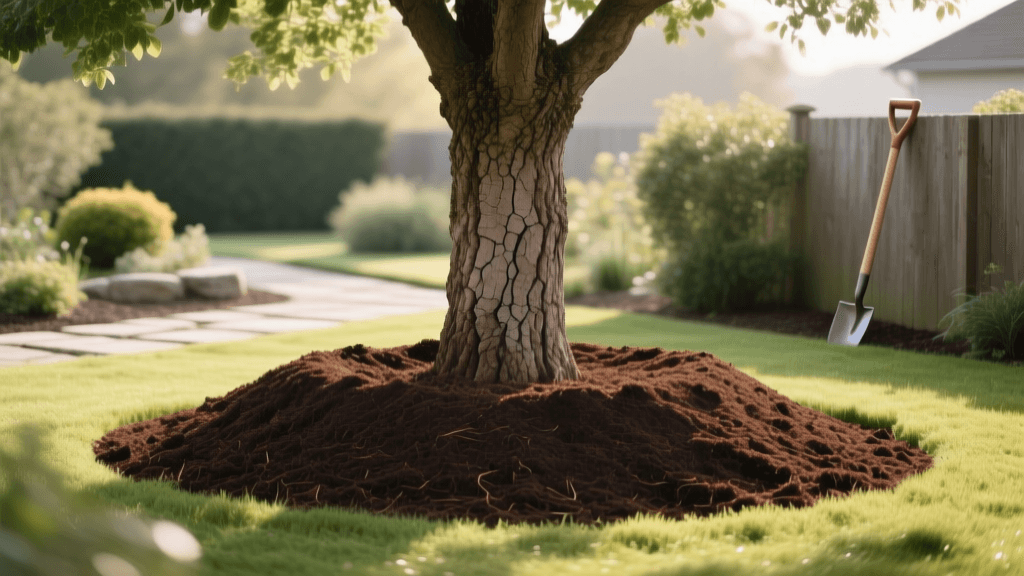
- Safe for DIY: Mulching (keeping it 2 to 4 inches deep and away from the trunk flare to prevent volcano mulching), watering during drought stress, and pruning small, low-hanging branches under 10 feet using sanitized bypass pruners.
- Leave to the Professionals: Anything requiring a ladder, chainsaw work above shoulder height, branches near utility lines, and the diagnosis of complex vascular diseases.
Consider the hidden costs of DIY tree work. Purchasing a professional-grade climbing harness, helmet, chainsaw, and rigging ropes can easily exceed $1,500. Furthermore, homeowner's insurance policies frequently deny claims related to DIY tree removal damage, leaving you entirely liable for any accidents or property destruction.
Proven Strategies to Reduce Tree Maintenance Costs
- Bundle Services: If you need multiple trees pruned or removed, ask for a bulk discount. Mobilizing a crew and heavy equipment is the most expensive part of the job; doing multiple tasks in a single visit reduces the per-tree cost.
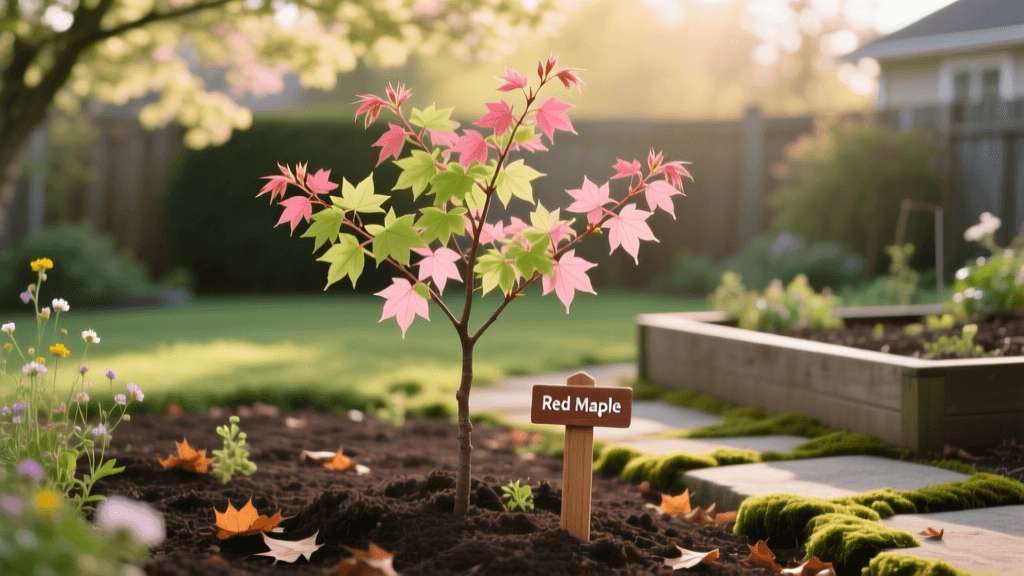
- Practice Proper Planting Techniques: Research from the University of Florida IFAS Extension highlights that improper planting depth is a leading cause of premature tree failure and girdling roots. Planting trees correctly from the start, ensuring the root flare is visible above the soil grade, prevents costly structural corrections or early removals a decade later.
- Maintain Optimal Soil Health: Regularly testing your soil pH and amending it accordingly ensures your trees can uptake essential nutrients, making them naturally resistant to pests and diseases, thereby reducing the need for expensive chemical treatments.
Conclusion
Budgeting for tree care is an investment in the safety, beauty, and value of your property. By understanding the average costs of pruning, removal, and health assessments, and by leveraging preventative maintenance, homeowners can avoid catastrophic emergency expenses. Always prioritize hiring insured, ISA-certified professionals to ensure the longevity of your trees and the safety of your landscape.