Tree Care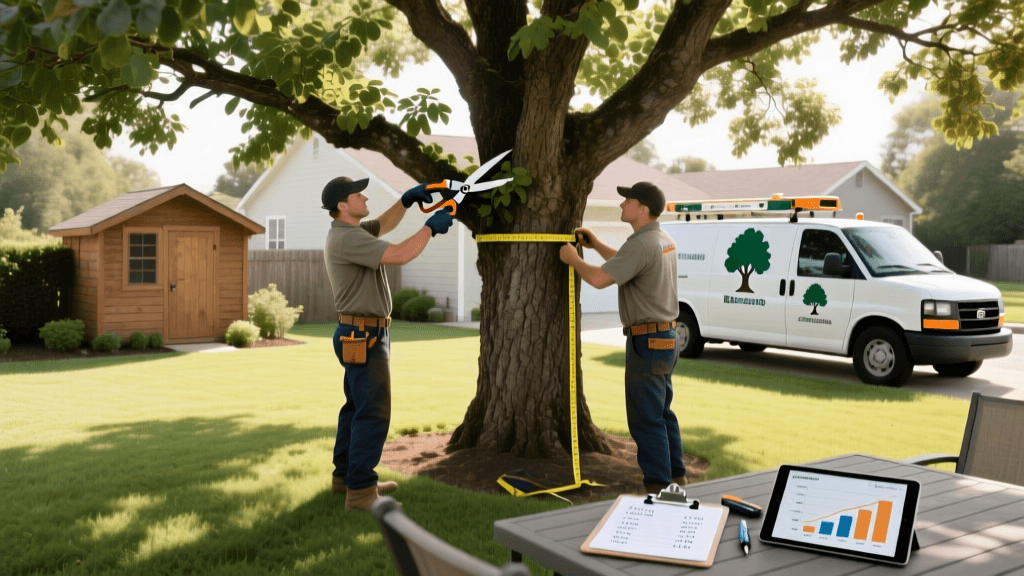
Tree Care Costs: Budgeting for Pruning and Removal
The Homeowner's Guide to Budgeting for Tree Care
Trees are among the most valuable living assets on your property. They enhance curb appeal, provide cooling shade that reduces summer energy bills, and can increase overall property values by up to 15 percent. However, trees also represent a long-term financial commitment that many homeowners overlook until a severe storm hits or a massive dead branch threatens their roof. Budgeting for tree care is not just about maintaining aesthetics; it is a critical component of home liability, risk management, and long-term landscape planning.
Whether you are dealing with routine maintenance, disease management, or the eventual removal of an aging oak or pine, understanding the financial landscape of arboriculture is essential. This comprehensive cost and budgeting guide will break down the expenses associated with tree pruning, removal, stump grinding, and preventative care, helping you allocate your home maintenance funds effectively and avoid catastrophic emergency expenses.
The Anatomy of Tree Trimming and Pruning Costs
Routine pruning is the cornerstone of a healthy tree care budget. Proper pruning promotes structural integrity, removes diseased wood, and ensures safe clearance from power lines and structures. According to industry data compiled by Angi, the national average cost for tree trimming ranges between $300 and $700, but this number fluctuates wildly based on the specific type of pruning required and the physical dimensions of the tree.
Arborists generally categorize pruning into four main services, each with distinct labor and time requirements:
- Crown Cleaning: The removal of dead, diseased, broken, or weakly attached branches. This is the most basic form of pruning and is usually the least expensive.
- Crown Thinning: Selective removal of branches to increase light penetration and air movement through the canopy. This reduces wind resistance and weight on heavy limbs.
- Crown Raising: Removing the lower branches of a tree to provide clearance for pedestrians, vehicles, or structures. This is often required to comply with local municipal codes regarding sidewalk and street clearance.
- Crown Reduction: Carefully reducing the overall size of a tree by pruning leaders and branch terminals back to lateral branches. This is often necessary when a tree has outgrown its space or is interfering with utility lines.
Cost Breakdown by Tree Size
The most significant factor driving the cost of tree trimming is the height and canopy spread of the tree. Larger trees require more advanced climbing techniques, heavier rigging equipment, and significantly more time to chip and haul away the resulting debris. Below is a structured breakdown of average national costs based on tree height.
| Tree Height Category | Average Trimming Cost | Average Removal Cost | Equipment Typically Required |
|---|---|---|---|
| Small (Under 30 ft) | $150 - $400 | $150 - $500 | Hand pruners, pole saws, small ladder |
| Medium (30 - 60 ft) | $400 - $800 | $500 - $1,200 | Climbing gear, rigging ropes, wood chipper |
| Large (60 - 100 ft) | $800 - $1,500 | $1,200 - $2,500 | Bucket truck, heavy rigging, large chipper |
| Extra Large (100+ ft) | $1,500 - $3,000+ | $2,500 - $5,000+ | Mobile crane, specialized climbing crew |
Tree Removal: The Heavy Lifting and High Costs
While pruning is a routine maintenance expense, tree removal is a major capital project. Removal is inherently dangerous and requires a high level of technical expertise, specialized insurance, and heavy machinery. HomeGuide reports that the average cost to remove a tree is between $700 and $1,500, but hazard trees or those located in tight urban backyards can easily push this cost past $3,000.
Several variables dictate the final invoice for a tree removal project:
- Proximity to Hazards: If a tree is leaning over your home, a fence, or primary power lines, the arborist must use meticulous rigging techniques to lower small pieces of wood safely to the ground. This 'piece-meal' dismantling takes significantly longer than felling a tree in an open field.
- Crane Rentals: For massive trees or trees with zero drop-zone access, a mobile crane is required. Crane rentals typically add $500 to $1,000 per day to the project budget.
- Species and Wood Density: Removing a massive, dense Southern Live Oak requires heavier rigging gear and more fuel to chip than removing a softer, lighter Eastern White Pine of the same size.
- Access and Terrain: Steep slopes, muddy ground, or narrow side-yards that prevent the use of motorized wheelbarrows or chippers will increase manual labor costs.
The Hidden Costs: Stump Grinding and Debris Hauling
A common budgeting mistake homeowners make is assuming that the quoted price for tree removal includes the stump and the wood. In most cases, tree removal quotes only cover cutting the tree down to a low stump and hauling away the brush. Stump grinding and log removal are usually billed as separate line items.
Stump grinding costs are generally calculated based on the diameter of the stump, ranging from $2 to $4 per inch. Most professional tree services enforce a minimum trip charge of $100 to $150 for stump grinding. If you have a 30-inch oak stump, expect to pay an additional $90 to $120 to grind it down to 6 inches below grade. Furthermore, if you want the arborist to haul away the heavy wood logs rather than leaving them for your firewood pile, expect a surcharge for the extra labor and dump fees.
Preventative Care vs. Emergency Budgeting
One of the most effective ways to manage your tree care budget is to shift your spending from reactive emergency services to proactive preventative care. Emergency tree work—such as removing a limb that has fallen on a roof during a hurricane or ice storm—often incurs a 50% to 100% premium due to the immediate hazard, overtime labor, and high demand for arborists in your area.
Investing in preventative structural support can save thousands of dollars in potential property damage. Cabling and bracing involves installing high-strength steel rods or dynamic synthetic cables (such as the Cobra cabling system) into the canopy to support weak branch unions or multi-stemmed trunks. The cost to install a single cabling system typically ranges from $200 to $500. While this is an upfront cost, it is a fraction of the $5,000+ you might spend on emergency removal and roof repairs if the weak union fails during a high-wind event.
Additionally, budgeting for annual health assessments by a certified arborist can catch fungal infections, root rot, or pest infestations (like the Emerald Ash Borer or Asian Longhorned Beetle) early. Early intervention with targeted soil injections or systemic fungicides is vastly cheaper than the eventual removal of a dead, hazardous tree.
Strategic Timing: The Winter Discount Advantage
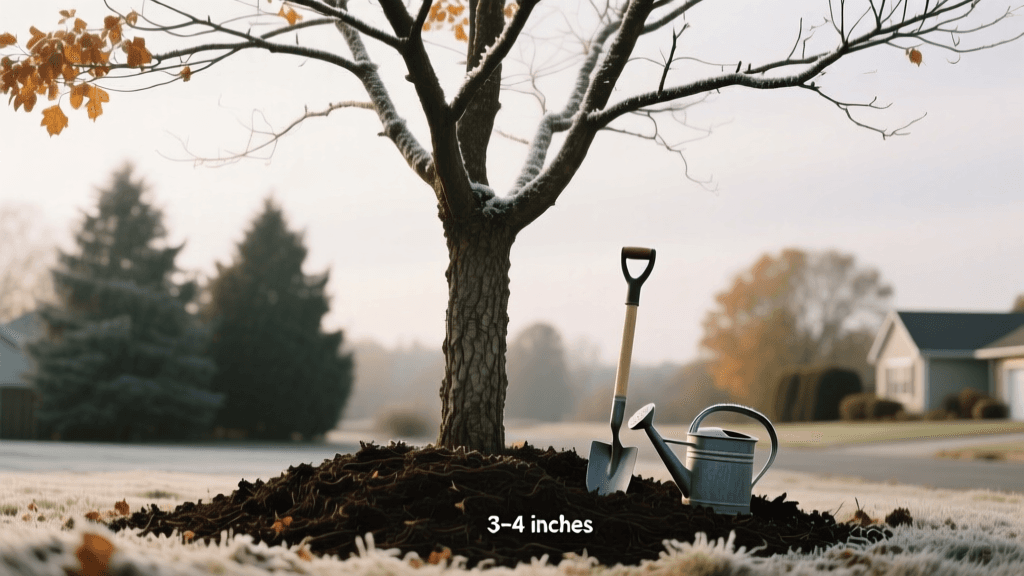
Timing is a powerful tool for the budget-conscious homeowner. The tree care industry is highly seasonal. During the spring and summer months, tree services are inundated with calls for pruning, storm cleanup, and planting. However, during the late fall and winter months, demand plummets.
Scheduling your major pruning and removal projects during the winter dormancy period offers two distinct financial and horticultural advantages:
- Off-Season Discounts: Many reputable tree companies offer 10% to 20% discounts on labor during the winter months to keep their crews employed and their equipment running.
- Disease Prevention: Pruning certain species, such as Oaks and Elms, during the winter is highly recommended to prevent the spread of devastating diseases like Oak Wilt and Dutch Elm Disease. The insects that vector these diseases are inactive in cold weather, protecting your investment in the landscape.
DIY Tree Care vs. Hiring a Professional Arborist
When building your annual landscape budget, you must decide which tasks to tackle yourself and which to outsource. DIY tree care is viable for small ornamental trees and shrubs under 15 feet tall. Investing in high-quality, professional-grade hand tools—such as Felco F-2 bypass pruners or Silky pole saws—will cost between $50 and $200 but will last for decades if properly maintained.
However, any tree work that requires leaving the ground, operating a chainsaw above shoulder height, or working within 10 feet of a utility line must be left to the professionals. The cost of a single emergency room visit or a lawsuit from a neighbor's damaged property will instantly obliterate any money saved by attempting a DIY removal.
How to Hire and Budget for a Certified Arborist
When soliciting bids, do not simply hire the cheapest option. The tree care industry is unfortunately rife with uninsured 'fly-by-night' operators who can leave you liable for massive property damage or workplace injuries. Always verify that the company employs an ISA Certified Arborist through the International Society of Arboriculture (ISA). Furthermore, demand to see physical certificates for both General Liability Insurance and Workers' Compensation Insurance before signing a contract.
To maximize your budget, request a comprehensive, multi-year management plan from your arborist. Instead of paying for a truck roll-out every single year, ask the arborist to bundle services. For example, prune your large canopy trees on a three-year rotation, while scheduling annual inspections and deep-root fertilizations for a fraction of the cost. By understanding the true costs of tree trimming, removal, and preventative care, you can protect your home, preserve your landscape, and keep your household budget firmly rooted in financial health.