Tree Care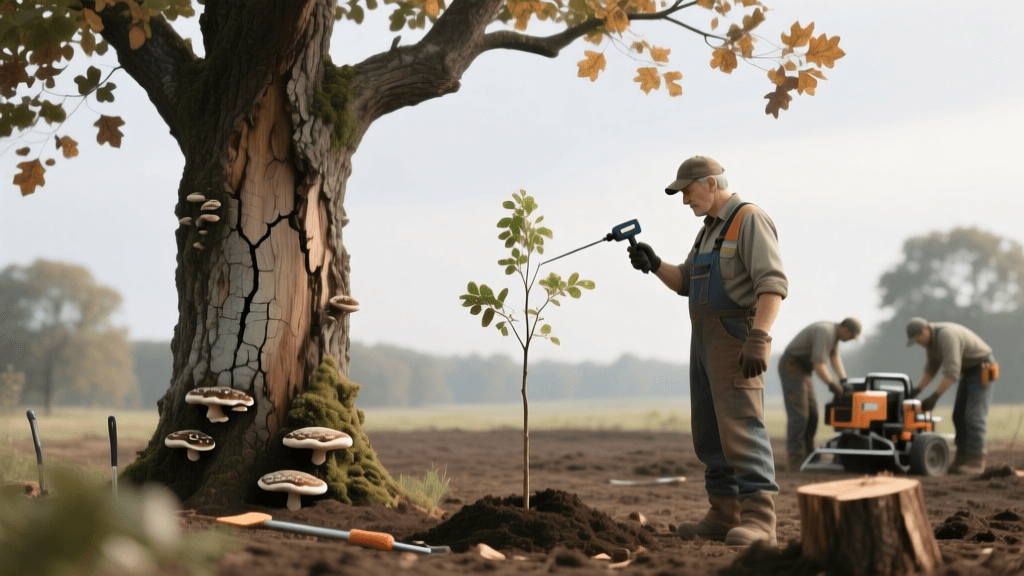
Budgeting for Tree Disease Treatment vs Removal Guide
Navigating the Financial Dilemma of Tree Health
When a majestic shade tree in your yard begins to show signs of decline, homeowners are immediately faced with a difficult emotional and financial dilemma. Trees are not just landscape features; they are living investments that provide curb appeal, energy-saving shade, and ecological benefits. However, when diseases like Oak Wilt, Dutch Elm Disease, or devastating pests like the Emerald Ash Borer (EAB) strike, you must make a critical budgeting decision: do you invest in ongoing, often expensive treatments, or do you cut your losses, remove the tree, and start over?
Budgeting for tree care requires a clear understanding of arboricultural science and local service costs. A misallocated budget can result in thousands of dollars wasted on saving a doomed tree, or the premature removal of a treatable, high-value landscape asset. This comprehensive cost and budgeting guide will break down the exact expenses associated with tree disease treatment, professional removal, stump grinding, and replacement planting, empowering you to make the most financially sound decision for your property.
Assessing the Situation: The 50 Percent Rule
Before opening your wallet to an arborist, you must accurately assess the tree's current health and structural integrity. Certified arborists frequently rely on the '50 Percent Rule' to guide treatment versus removal decisions. If more than 50 percent of the tree's root system is compromised by fungal pathogens like Armillaria root rot, or if the canopy exhibits more than 50 percent dieback due to vascular diseases or boring insects, the tree is generally considered unsalvageable. At this stage, the tree's vascular tissues—the xylem and phloem—are too damaged to transport water, nutrients, or systemic chemical treatments.
Furthermore, structural integrity plays a massive role in budgeting. A diseased tree with severe internal decay poses a severe liability risk. If a large, compromised limb or the entire trunk fails and damages your home, your neighbor's property, or causes personal injury, the financial fallout will vastly exceed the cost of proactive removal. Always hire an ISA-certified arborist to perform a Tree Risk Assessment before committing to a multi-year treatment budget.
The True Cost of Tree Disease and Pest Treatment
Tree treatment is not a one-size-fits-all expense. The cost fluctuates wildly based on the tree's Diameter at Breast Height (DBH), the specific pathogen or pest involved, and the application method required. Budgeting for treatment also means committing to a long-term financial relationship with your tree care provider, as many treatments must be repeated annually or bi-annually for the life of the tree.
Trunk Injections and Systemic Treatments
For devastating pests like the Emerald Ash Borer (EAB) or diseases like Dutch Elm Disease, trunk injections are the gold standard. This method involves drilling small holes into the base of the trunk and using pressurized systems to deliver active ingredients, such as Emamectin benzoate, directly into the tree's vascular system. The cost for trunk injections is typically calculated per inch of DBH. Homeowners should budget between $10 and $15 per inch of DBH. For a mature, 20-inch ash tree, a single treatment will cost between $200 and $300. Because Emamectin benzoate provides two years of protection, you must budget for this expense every other year indefinitely.
Soil Drenching and Root Zone Management
For certain fungal diseases, nutrient deficiencies, or minor pest infestations, systemic soil drenches containing chemicals like Imidacloprid or Propiconazole are utilized. The arborist mixes the chemical with water and pours it into the soil around the tree's drip line, allowing the roots to absorb it. Soil drenching is generally less expensive than trunk injections, costing between $150 and $400 per tree, depending on the canopy size and soil conditions. However, it is less effective for massive, mature trees or in areas with dense, compacted clay soils that prevent proper chemical uptake.
Foliar Sprays and Crown Pruning
Fungal leaf diseases like Anthracnose or Apple Scab often require foliar fungicide sprays. These must be applied multiple times throughout the spring and early summer, precisely as the buds break and leaves expand. Budgeting for a foliar spray program requires setting aside $200 to $600 per season, as it necessitates three to four separate visits from a tree care crew. Additionally, therapeutic pruning to remove dead, diseased, or cankered wood is vital to stop the spread of pathogens like Fire Blight. Professional pruning of a large shade tree typically ranges from $400 to $1,200 per session.
The True Cost of Tree Removal and Replacement
If the tree has crossed the threshold of no return, or if the lifetime cost of chemical treatments outweighs the tree's aesthetic and property value, removal is the only logical financial choice. Tree removal is a heavy construction task that requires specialized rigging, heavy machinery, and highly trained personnel to ensure safety.
Extraction, Hauling, and Stump Grinding
The cost of removing a mature, diseased tree is heavily influenced by its size, location, and proximity to structures. A small, accessible tree might cost $400 to $800 to remove. However, a massive, 80-foot oak or ash tree located near a house or power lines requires complex rigging or even a mobile crane, pushing the removal cost anywhere from $1,500 to $4,500 or more. This price usually includes cutting the tree into manageable logs and hauling the debris away.
Crucially, standard removal quotes rarely include stump grinding, which is a separate line item in your budget. Stump grinding is essential if you plan to replant in the same area or want to restore the lawn. Arborists typically charge $3 to $5 per inch of stump diameter. A large 30-inch stump will add $90 to $150 to your final bill. If the tree was killed by a highly contagious soil-borne fungus like Oak Wilt, you must also budget for deep root barrier installation or chemical soil sterilization to prevent the fungus from spreading to neighboring trees via root grafts.
Selecting and Planting a Replacement Tree
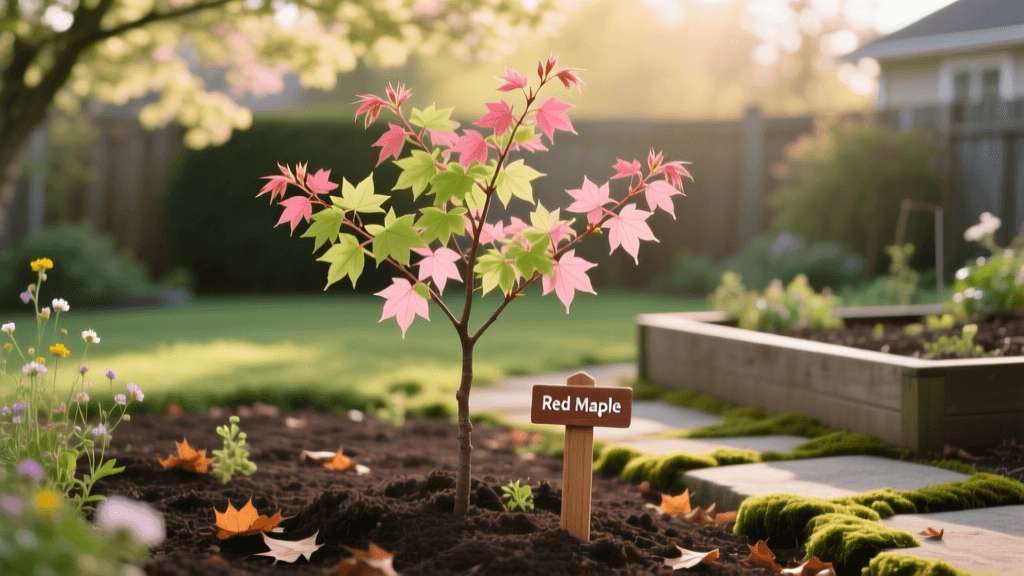
The budget does not stop at the stump. Replacing a lost canopy requires purchasing a new tree, amending the soil, and paying for professional installation. A high-quality, nursery-grown shade tree with a 2-inch to 3-inch trunk caliper will cost between $250 and $600 at the nursery. Professional planting services, which include digging the proper width and depth, amending the native soil with organic compost, applying a 3-inch layer of hardwood mulch, and installing structural stakes if necessary, will add another $150 to $400 to the project. Therefore, a fully installed replacement tree will cost between $400 and $1,000.
Cost Comparison: Treatment vs. Removal
To help you visualize the financial impact of your decision, review the comparison table below. These estimates reflect national averages for professional, insured arborist services.
| Service Category | Average Cost Range | Frequency | Best Used When |
|---|---|---|---|
| Trunk Injection (e.g., EAB) | $10 - $15 per DBH inch | Every 2 years | Tree is >50% healthy, high landscape value |
| Fungicide Soil Drench | $150 - $400 per tree | Annually | Early fungal infection, minor root issues |
| Therapeutic Crown Pruning | $400 - $1,200 | As needed (1-3 years) | Removing cankers, deadwood, improving airflow |
| Mature Tree Removal | $1,500 - $4,500+ | One-time | Tree is dead, hazardous, or >50% compromised |
| Stump Grinding | $3 - $5 per inch diameter | One-time | Required for replanting or lawn restoration |
| Replacement Tree (Installed) | $400 - $1,000 | One-time | Post-removal landscape restoration |
Hidden Costs and Long-Term Budgeting
When building your tree care budget, beware of hidden costs that can derail your financial planning. First, check with your local municipality regarding tree removal permits. Many cities have strict heritage tree ordinances that require a permit and an arborist's report before removing any tree over a certain DBH, even if it is diseased. Permit fees and report generation can add $150 to $500 to your upfront costs.
Secondly, consider the long-term watering and maintenance budget for a replacement tree. A newly planted 3-inch caliper tree requires deep, consistent watering for its first two to three years to establish a robust root system. If you do not have an automated irrigation system or the time to hand-water, you may need to invest in slow-release watering bags (like Treegators), which cost about $30 each, or hire a landscaping service for summer watering visits.
Expert Insights and Authoritative Guidelines
When weighing these costs, it is vital to rely on science-based guidelines rather than anecdotal advice. According to the International Society of Arboriculture (ISA), tree risk assessment should always prioritize human safety and property protection above the sentimental value of a tree. The ISA's Tree Risk Assessment Qualification (TRAQ) framework dictates that if a diseased tree has a high likelihood of failure and a high-value target (like a home or driveway) is in its fall zone, removal is the only acceptable risk mitigation strategy, regardless of treatment costs.
Furthermore, Purdue University Extension, a leading authority on forest and urban tree health, provides extensive cost-calculators for Emerald Ash Borer management. Their research highlights that treating a high-value ash tree near a patio or home is vastly more cost-effective over a 10-to-15-year period than paying for the removal of the dead tree, the stump grinding, and the planting of a mature replacement. However, for low-value trees located in the back woods or near property lines where failure poses no risk to structures, Purdue Extension recommends allowing the tree to succumb to the pest or removing it proactively to avoid future hazard abatement costs.
Making the Final Financial Decision
Ultimately, budgeting for tree disease management versus removal comes down to a triad of factors: the tree's current health percentage, its location relative to your property's infrastructure, and your long-term landscape goals. If the tree is a prized, high-value specimen that is caught in the early stages of a treatable disease, allocating a budget of $200 to $400 every few years for systemic treatments is a sound investment. Conversely, if the tree is heavily decayed, poses a structural hazard, or requires annual chemical applications that exceed the cost of a replacement over a five-year window, it is time to budget for the chainsaw and the stump grinder. By understanding the true costs outlined in this guide, you can protect your property, preserve your landscape, and manage your home maintenance budget with absolute confidence.