Tree Care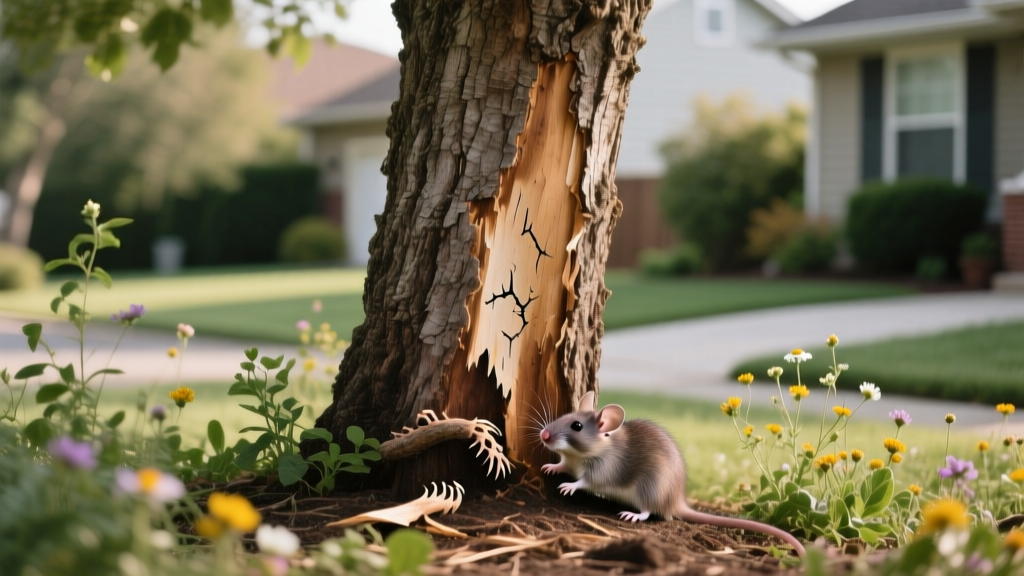
2026 Tree Health Checklist: Spotting Wildlife & Animal Damage
Emily WatsonPublished
The Intersection of Tree Health and Wildlife Management in 2026
As urban and suburban boundaries continue to expand into natural habitats, the intersection of tree care and wildlife management has become a critical focus for homeowners and arborists alike. In 2026, shifting climate patterns and altered migration routes have increased the frequency of yard animal interactions with residential landscapes. While observing deer, squirrels, and birds in your yard can be a delightful experience, these animals can inadvertently cause severe structural and physiological damage to your trees. A compromised tree is more susceptible to secondary infections, fungal pathogens, and storm breakage.
Conducting a thorough tree health assessment is no longer just about looking for dead branches or nutrient deficiencies; it requires a keen eye for wildlife-induced stress. According to the USDA Forest Service Forest Health portal, early identification of animal damage is the most effective way to prevent long-term decline and mortality in urban forests. This comprehensive visual inspection checklist is designed specifically to help you identify, assess, and manage wildlife and yard animal damage across all zones of your trees.
The Visual Inspection Checklist: Zone by Zone
To perform a systematic tree health assessment, arborists divide the tree into three primary zones. By inspecting each zone for specific wildlife indicators, you can pinpoint the exact culprits affecting your landscape and deploy targeted yard animal management strategies.
Zone 1: The Root Flare and Lower Trunk (Ground Level to 2 Feet)
The base of the tree is highly vulnerable to small mammals, particularly during the winter and early spring when other food sources are scarce. When inspecting this zone, clear away excess mulch and ground cover to expose the root flare and lower bark.
- Vole and Mouse Girdling: Look for irregular, shallow gnaw marks on the bark, often extending below the soil line or hidden under winter snow cover. Voles can completely girdle a young tree, severing the phloem and killing the tree.
- Rabbit Damage: Unlike voles, rabbits typically leave clean, 45-degree angled cuts on small branches and distinct, shallow scraping marks on the lower trunk.
- Root Foraging: Check for exposed, chewed, or severed surface roots caused by foraging raccoons, skunks, or armadillos searching for grubs. This destabilizes the tree and compromises its nutrient uptake.
Zone 2: The Mid-Trunk (2 Feet to 6 Feet)
The mid-trunk is the primary target for larger mammals. Damage here often compromises the structural integrity of the tree and opens the door for wood-boring insects and decay fungi.
- Deer Antler Rubbing: Male deer rub their antlers against tree trunks in the fall to remove velvet and mark territory. Look for long, vertical strips of shredded or completely missing bark. Trees with smooth bark, such as maples and young oaks, are highly preferred.
- Bear Marking and Scratching: In areas with active bear populations, look for deep, parallel claw marks gouged into the bark, often accompanied by bite marks. Bears target trees to access sap or simply to leave territorial scent markers.
- Squirrel Bark Stripping: Gray squirrels frequently strip patches of bark from the mid-trunk and primary branches in late spring and early summer to access the sweet sap beneath. While rarely fatal to mature trees, it creates unsightly scars and entry points for pathogens.
Zone 3: The Canopy and Branch Structure (6 Feet and Above)
The canopy is the domain of birds and arboreal mammals. Damage here is often harder to spot from the ground, making the use of binoculars or a drone essential for your 2026 tree health assessment.
- Sapsucker and Woodpecker Holes: Yellow-bellied sapsuckers drill neat, horizontal bands of small, shallow holes to drink sap and trap insects. Conversely, larger woodpeckers create deep, irregular, funnel-shaped holes while excavating for carpenter ants or creating nesting cavities.
- Squirrel Dreys and Nesting: Inspect branch crotches for large, messy nests (dreys) made of twigs and leaves. The sheer weight of these nests, combined with the squirrels' constant gnawing on branch tips to harvest seeds, can cause limb sagging and breakage during high winds.
- Defoliation by Insects and Birds: While not direct animal damage, note that heavy bird activity in the canopy might indicate a severe insect infestation, which is a secondary tree health issue requiring immediate attention.
2026 Wildlife Damage Identification Matrix
Use the following data table to quickly cross-reference the visual signs you find during your inspection with the likely culprit and the recommended mitigation approach.
| Animal Culprit | Primary Visual Sign | Target Zone | Peak Season | 2026 Recommended Deterrent |
|---|---|---|---|---|
| Voles / Mice | Irregular gnaw marks, missing bark at soil line | Zone 1 | Winter / Early Spring | 1/4-inch hardware cloth buried 3 inches deep |
| Rabbits | Clean 45-degree cuts on twigs, lower trunk scraping | Zone 1 | Winter | Biodegradable tree wrap, 18-inch wire collar |
| White-tailed Deer | Vertical shredded bark, broken lower branches | Zone 2 | Fall (Rut Season) | Trunk guards, putrescent egg solid repellents |
| Sapsuckers | Horizontal bands of small, shallow holes | Zone 2 & 3 | Spring / Fall Migration | Reflective visual deterrents, burlap trunk wrapping |
| Gray Squirrels | Patches of missing bark, gnawed branch tips | Zone 2 & 3 | Late Spring / Summer | Capsaicin-based taste repellents, canopy netting |
Proactive Yard Animal Management and Mitigation
Once you have identified the specific wildlife threats using the checklist above, implementing proactive yard animal management strategies is crucial to preserving tree health. The University of Minnesota Extension emphasizes that physical barriers remain the most reliable long-term solution for preventing animal damage.
Installing Physical Barriers
For protecting young trees and saplings from rodents and rabbits, physical exclusion is mandatory. In 2026, the industry standard is to use 1/4-inch galvanized hardware cloth. Cut a piece wide enough to encircle the trunk with a two-inch gap to allow for trunk expansion. Bury the bottom edge at least three inches below the soil surface to prevent voles from tunneling underneath, and ensure the guard extends at least 18 to 24 inches above the anticipated winter snow line. Avoid using plastic tree tubes, as they can trap moisture against the bark and promote fungal cankers, or harbor rodents seeking shelter during the winter.
Applying Modern Repellents
When physical barriers are impractical for mature trees or large canopy areas, taste and odor repellents offer a secondary line of defense. Modern formulations utilizing putrescent whole egg solids or concentrated capsaicin (the active component in chili peppers) are highly effective against deer and squirrels. For optimal results, apply these repellents during dry weather and reapply after heavy rainfall or new vegetative growth. Always rotate between different active ingredients every few months to prevent wildlife from habituating to a single scent or taste.
Habitat Modification
Reducing the attractiveness of your yard to destructive wildlife is a core component of holistic tree care. Keep the area around the base of your trees clear of tall grasses, dense groundcovers, and excessive mulch, as these provide ideal hiding spots for voles and mice. If woodpeckers are targeting your trees, inspect the trunk for signs of carpenter ant or bark beetle infestations; treating the underlying insect problem will naturally deter the birds from drilling into the wood.
Seasonal Assessment Schedule for 2026
To maintain optimal tree health, integrate wildlife damage inspections into your seasonal yard maintenance schedule:
- Early Spring: Inspect Zone 1 for winter vole and rabbit damage once the snow melts. Prune any severely damaged or girdled branches before the spring sap flow begins.
- Early Summer: Check Zone 2 and Zone 3 for squirrel bark stripping and early woodpecker activity. Apply taste repellents to vulnerable trunks.
- Late Fall: Install hardware cloth guards and trunk protectors before the first snowfall. Apply long-lasting deer repellents before the autumn rut begins.
- Mid-Winter: Perform a visual check after heavy snowstorms to ensure tree guards have not been buried by snow drifts, which would allow rabbits to reach the upper bark.
Conclusion
Protecting your landscape requires a dual approach: nurturing the tree's biological needs while actively managing the wildlife that interacts with it. By utilizing this visual inspection checklist, you can catch the subtle signs of animal damage before they escalate into fatal structural failures or systemic infections. Regular monitoring, combined with modern, eco-friendly deterrents and proper physical barriers, ensures your trees remain robust, healthy, and beautiful for decades to come.
