Tree Care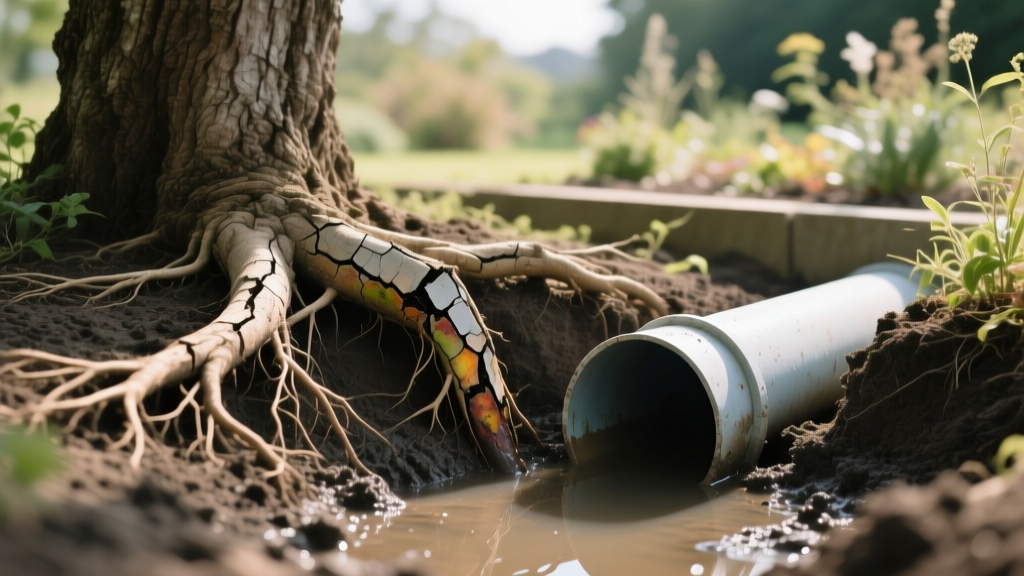
2026 Tree Health Visual Checklist: Landscape Drainage Pipe Impacts
James MillerPublished
Introduction to Landscape Drainage and Tree Health in 2026
In 2026, modern landscape architecture relies heavily on subsurface drainage infrastructure to manage the increasing frequency of intense storm events and heavier seasonal downpours. While landscape drainage pipes—including French drains, corrugated HDPE tubing, and rigid PVC catch basin lines—are essential for protecting hardscapes and home foundations, they often pose severe, hidden threats to established urban and suburban trees. When drainage trenches intersect critical root zones, or when perforated pipes alter the natural hydrology of the soil, trees can suffer from chronic stress, root rot, and structural instability. According to the International Society of Arboriculture (ISA), construction, grading alterations, and trenching remain leading causes of premature tree decline.
For homeowners and landscape professionals, conducting a specialized tree health assessment visual inspection checklist is vital when evaluating trees situated near drainage infrastructure. This guide provides a comprehensive, 2026-updated visual checklist to help you identify the subtle and overt signs of tree distress caused by landscape drainage pipes, along with actionable remediation strategies.
The Hidden Threat: How Landscape Drainage Pipes Affect Tree Health
To properly assess tree health, one must first understand the mechanics of root damage caused by drainage systems. The University of Minnesota Extension notes that the majority of a tree's absorbing roots reside in the top 12 to 18 inches of soil—the exact depth where most shallow landscape drainage pipes are trenched.
There are three primary ways drainage infrastructure compromises tree vitality:
- Physical Root Severing: Trenching for 4-inch to 6-inch corrugated pipes severs vital structural and feeder roots, reducing the tree's ability to uptake water and anchor itself against high winds.
- Hydrological Alteration: Perforated French drains are designed to collect and disperse water. If placed too close to a tree's root flare, they can create localized anaerobic (oxygen-depleted) soil conditions, drowning the roots and inviting devastating pathogens like Phytophthora.
- Soil Subsidence and Piping: Over time, leaking pipe joints wash away fine soil particles (a process called soil piping). This creates subterranean voids beneath the tree's root plate, leading to sudden sinkholes and catastrophic tree uprooting.
2026 Visual Tree Health Assessment Checklist: Drainage Zones
Use this targeted visual inspection checklist when evaluating trees located within 15 feet of known or suspected landscape drainage pipes.
1. Canopy and Foliage Inspection
The canopy is the first place root stress becomes visible, though symptoms may take one to three growing seasons to manifest after a drainage pipe installation. Shallow-rooted species such as Norway Maples, Birches, and Spruces are exceptionally vulnerable to drainage trenching, as their root plates spread horizontally and are easily severed by standard 12-inch deep pipe trenches.
- Marginal Leaf Scorch: Browning along the edges of leaves indicates an inability to draw sufficient water, often due to severed roots from recent trenching.
- Chlorosis (Yellowing): Uniform yellowing of leaves, particularly in species like Oaks and Maples, suggests waterlogged, anaerobic soil conditions caused by a malfunctioning or poorly routed French drain.
- Epicormic Sprouting: The sudden appearance of 'water sprouts' along the trunk or major scaffold branches is a stress response to a compromised root-to-shoot ratio.
- Premature Fall Coloration: Trees displaying autumn colors in late summer are heavily stressed, often due to chronic root suffocation near catch basins.
2. Trunk and Root Flare Evaluation
The root flare (where the trunk widens at the soil line) is the most critical zone to inspect when drainage pipes are present. Deep-rooted species like Oaks and Hickories may tolerate shallow pipe installations better but are highly susceptible to deep soil subsidence caused by leaking mainline PVC pipes.
- Girdling Roots: Inspect for roots that have grown parallel to or wrapped around PVC pipe trenches. Roots naturally follow the path of least resistance, often tracing the gravel backfill of drainage lines until they strangle the main trunk.
- Fungal Conks and Mushrooms: The presence of Ganoderma, Armillaria, or other wood-decay fungi near drainage cleanouts or catch basins is a massive red flag. It indicates that the constant moisture from the drainage pipe has initiated heartwood or root rot.
- Bark Necrosis: Sunken, discolored, or weeping areas on the lower trunk can indicate phytophthora collar rot, exacerbated by drainage pipes discharging water directly against the root flare.
3. Soil and Drainage Infrastructure Surface Check
The ground surface above the drainage lines tells a story of subterranean health. Timing your visual inspections is critical; early spring is optimal for spotting surface pooling and soil subsidence, while late summer is best for identifying canopy dieback caused by compromised root systems failing during heat waves.
- Linear Depressions: A sunken line of soil tracing the path of a drainage pipe indicates soil subsidence. This means the pipe may have collapsed or separated, washing away the soil supporting the tree's structural roots.
- Standing Water or Efflorescence: Puddles or white, crusty mineral deposits (efflorescence) near the tree base suggest that the drainage pipe is clogged with root intrusions or sediment, causing water to back up into the root zone.
- Heaving Hardscapes: If retaining walls or pavers near the tree are heaving, aggressive tree roots may have crushed shallow corrugated drainage pipes, forcing water to erode the surrounding soil matrix.
Proactive monitoring of the soil-root interface near hardscape drainage is the most cost-effective method to prevent catastrophic tree failure and expensive infrastructure repairs.
Data Table: Drainage Pipe Materials and Tree Root Risks
Understanding the material of the buried landscape drainage pipe helps predict the type of root interaction and potential failure points. Below is a 2026 comparison chart of common drainage materials used in residential landscaping.
| Pipe Material | Typical Application | Root Intrusion Risk | Impact on Tree Health |
|---|---|---|---|
| Corrugated HDPE (Solid) | Downspout routing, yard drains | Moderate | Roots can crush flexible walls if buried shallowly, causing localized flooding and soil saturation. |
| Perforated Corrugated | French drains, trench drains | High | Roots actively seek the perforations for moisture, rapidly clogging the pipe and causing anaerobic soil conditions. |
| PVC SDR-35 (Rigid) | Main drainage lines, catch basins | Low (at joints) | Highly resistant to crushing, but roots will exploit separated glue joints, leading to massive soil voids and subsidence. |
| Root-Deflector Geotextiles | Pipe wrapping, barrier systems | Preventative | Modern 2026 copper-impregnated geotextiles safely deflect roots away from pipe joints without chemically harming the tree. |
Actionable Remediation for Drainage-Related Tree Stress
If your visual inspection checklist reveals that a landscape drainage pipe is compromising a tree's health, immediate remediation is required to prevent irreversible decline or hazardous failure.
- AirSpade Excavation: In 2026, certified arborists utilize compressed-air excavation tools (like the AirSpade) to safely remove soil around the root flare and drainage trenches without cutting vital roots. This allows for precise diagnosis of girdling roots and pipe leaks.
- Trenchless Pipe Repair: Instead of digging a new trench and severing more roots, plumbing professionals can use Cured-In-Place Pipe (CIPP) lining to seal leaking drainage joints from the inside, stopping soil subsidence without further root trauma.
- Hydro-Jetting with Caution: If a French drain is clogged with fine roots, hydro-jetting can clear the line. However, this must be followed by the installation of a root-inhibiting barrier or copper-sulfate foaming treatments (applied strictly within the pipe, not the soil) to prevent regrowth.
- Bio-Char and Soil Amendments: For trees suffering from anaerobic soil conditions due to over-watering by drainage systems, incorporating bio-char and compost via vertical mulching restores soil porosity and encourages beneficial mycorrhizal fungi.
When to Call a Certified Arborist
While this visual checklist is an excellent diagnostic tool for homeowners, certain scenarios require professional intervention. The Arbor Day Foundation recommends consulting an ISA Certified Arborist with a Tree Risk Assessment Qualification (TRAQ) if you observe:
- Sudden leaning of the tree canopy toward or away from the drainage trench.
- Large fungal conks growing directly from the soil above a main drainage line.
- Audible water rushing or sinkholes forming near the tree's base after heavy rains.
Protecting your landscape's mature trees while maintaining essential drainage infrastructure requires a delicate balance. By utilizing this 2026 tree health assessment visual inspection checklist, you can catch the early warning signs of root-drainage conflicts, ensuring both your property's foundation and its urban forest remain safe, healthy, and structurally sound for decades to come.
