Tree Care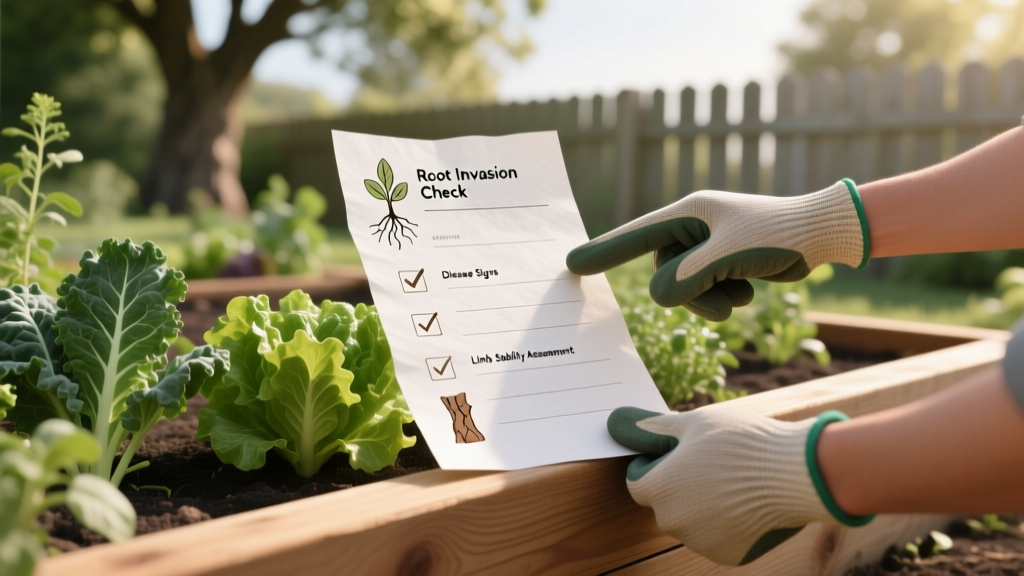
2026 Tree Health Inspection Checklist for Raised Bed Gardens
Anna KowalskiPublished
The Hidden Connection Between Perimeter Trees and Raised Beds
As we navigate the 2026 growing season, raised bed vegetable gardening continues to dominate home landscaping. Gardeners are investing heavily in galvanized steel beds, cedar rot-resistant frames, and premium soil blends enriched with biochar and mycorrhizal fungi. However, one critical element of garden planning is frequently overlooked: the health and structural integrity of the perimeter trees surrounding your vegetable plots. Trees and raised beds exist in a complex ecological relationship. While a well-placed tree can offer necessary afternoon shade for cool-season crops, a neglected or declining tree can introduce aggressive root systems, allelopathic toxins, and devastating pest migrations directly into your food supply.
Conducting a thorough tree health assessment visual inspection checklist is no longer just for professional arborists managing large estates. For the dedicated raised bed vegetable gardener, understanding the vitality of adjacent trees is essential for protecting your harvest, maintaining soil integrity, and ensuring physical safety in the garden. This comprehensive 2026 guide bridges the gap between arboriculture and intensive vegetable gardening, providing you with an actionable checklist to evaluate the trees that share space with your raised beds.
Why Tree Health Matters for Raised Bed Vegetable Gardens
Raised beds are essentially concentrated zones of water, oxygen, and nutrients. To a tree, especially one experiencing environmental stress from recent climate fluctuations, a raised bed represents an irresistible resource sink. When a tree's health is compromised, its survival instincts trigger aggressive root foraging. Furthermore, diseased trees harbor fungal pathogens and insect populations that can easily migrate to your vulnerable vegetable crops. Finally, the physical risk of deadwood dropping onto expensive garden infrastructure or, worse, onto the gardener, makes routine visual inspections a non-negotiable aspect of modern garden management.
The 2026 Visual Inspection Checklist for Perimeter Trees
To effectively assess the trees bordering your raised beds, break the visual inspection down into three distinct zones: the root and trunk base, the canopy and branch architecture, and the foliage and fruiting bodies. Grab your notebook, a pair of binoculars, and a hand lens, and work through this checklist.
Zone 1: The Base, Roots, and Trunk
The foundation of tree health begins below and just above the soil line. Because raised beds alter local hydrology, the root zone is highly susceptible to changes in moisture and soil compaction.
- Root Heaving and Intrusion: Inspect the ground between the tree and your raised beds. Are there large, woody roots pushing through the soil surface? If roots are actively growing toward or under your beds, they will eventually siphon water and nutrients from your vegetables. Look for signs of roots lifting the bed walls or penetrating drainage holes.
- Trunk Cankers and Wounds: Examine the lower trunk for sunken, discolored, or cracked areas known as cankers. These are often entry points for fungal diseases. If a tree is fighting a severe trunk infection, it will divert energy away from canopy maintenance, increasing the likelihood of dead branches falling into your garden.
- Fungal Conks and Mushrooms: The presence of shelf fungi (conks) or clusters of mushrooms at the base of the trunk is a primary indicator of internal heart rot. According to the Arbor Day Foundation's Tree Health Guide, fungal fruiting bodies at the base mean the tree's structural integrity is severely compromised, posing an immediate falling hazard to nearby garden structures.
- Soil Grade Changes: Have you recently added soil or heavy mulch against the trunk flare to level the ground for a new raised bed? Buried root flares suffocate the tree and invite girdling roots, which will eventually kill the tree and cause it to drop limbs.
Zone 2: The Canopy and Branch Architecture
Vegetables like tomatoes, peppers, and cucumbers require a minimum of 6 to 8 hours of direct sunlight (Photosynthetically Active Radiation, or PAR). The tree's canopy directly dictates your garden's light map.
- Crown Dieback: Stand back and look at the top third of the tree. Are the outermost branches bare or lacking leaves compared to previous years? Crown dieback is a classic symptom of root damage or severe vascular disease. A dying canopy means brittle branches that are prone to snapping during summer thunderstorms.
- Deadwood Identification: Scan for branches that lack leaves during the growing season or retain brown, dried leaves in the winter. Deadwood hanging over a raised bed must be removed immediately to prevent it from crushing your trellises or crops.
- Branch Crotch Angles: Inspect where major limbs meet the trunk. V-shaped crotches are inherently weak and prone to splitting under the weight of snow or wind, whereas U-shaped crotches are structurally sound. Weak unions over your garden require proactive cabling or pruning.
- Canopy Density and Airflow: An overly dense canopy traps humidity in the garden below, creating a microclimate perfect for fungal vegetable diseases like powdery mildew and early blight. Assess whether the tree requires selective thinning to improve airflow and dappled light penetration.
Zone 3: Foliage, Pests, and Allelopathic Risks
The leaves and fruits of the perimeter tree can directly impact the chemical and biological balance of your raised beds.
- Allelopathy (Chemical Warfare): Identify the species of your perimeter trees. Black Walnut (Juglans nigra) produces juglone, a natural herbicide that causes wilting and death in solanaceous crops like tomatoes, peppers, and eggplants. The Wisconsin Horticulture division notes that juglone toxicity can persist in the soil and be transported via leaf litter and root exudates directly into adjacent garden beds.
- Pest Crossover: Inspect the undersides of the tree's leaves for aphids, scale insects, or spider mites. Heavy infestations in the tree canopy will result in "honeydew" raining down on your vegetable leaves, promoting the growth of sooty mold that blocks sunlight and stunts crop growth.
- Premature Leaf Drop: If the tree is dropping yellow or spotted leaves in mid-summer, it may be battling a foliar disease like anthracnose or apple scab. While these specific fungi may not infect your vegetables, the constant drop of diseased organic matter alters the soil biology and nitrogen tie-up in your raised beds.
Perimeter Tree Impact Chart for Raised Beds
Not all trees interact with raised beds in the same way. Use this 2026 impact chart to quickly assess the risk level of common perimeter trees based on their root behavior, shade density, and chemical interactions.
| Tree Species | Root Aggression | Shade Density | Allelopathic Risk | Required Action for Raised Beds |
|---|---|---|---|---|
| Black Walnut | Moderate | Medium | Extreme (Juglone) | Locate beds outside the drip line; use impermeable root barriers. |
| Willow | Extreme | Light | None | Install deep HDPE barriers; monitor beds for root intrusion weekly. |
| Red Oak | Low | Dense | None | Prune lower canopy for light; avoid compacting soil over root zone. |
| Silver Maple | High | Medium | None | Expect root invasion; use raised beds with solid bottoms or fabric. |
| Dwarf Apple | Low | Light | None | Ideal companion; manage pests to prevent crossover to vegetables. |
Essential Tools for the 2026 Home Arborist and Gardener
To execute this visual inspection checklist effectively, equip yourself with the right tools. In 2026, garden technology has made professional-grade assessment accessible to home growers.
- Long-Handled Soil Probe: Use a 36-inch stainless steel soil probe to check moisture levels deep in the soil between the tree and the raised bed. This helps you determine if the tree is outcompeting your vegetables for deep water reserves.
- Pole Pruner with Bypass Blade: For safely removing deadwood up to 14 feet in the air without needing a ladder, a modern fiberglass pole pruner is essential for maintaining light clearance over your beds.
- Jeweler's Loupe (10x Magnification): Keep a loupe in your garden apron to inspect tree bark crevices and leaf undersides for early signs of invasive borers or mite eggs before they spread to your crops.
- Heavy-Duty HDPE Root Barrier: If your inspection reveals aggressive roots approaching your beds, a high-density polyethylene root barrier (at least 24 inches deep) installed vertically between the tree and the bed is the most effective mitigation strategy.
Mitigation Strategies: Protecting Your Vegetable Harvest
Once you have completed the visual inspection, it is time to act on your findings. If root intrusion is identified, trenching and installing a physical root barrier is highly recommended. Never sever large structural roots (anything over 2 inches in diameter) without consulting a professional, as this compromises the tree's stability and invites disease.
If canopy density is blocking vital sunlight, practice "crown thinning" rather than "crown raising." Crown thinning removes select interior branches to allow dappled sunlight to reach the raised beds while maintaining the tree's natural wind resistance. For pest management, apply dormant horticultural oils to the perimeter trees in late winter to smother overwintering aphid and scale eggs, drastically reducing the pest pressure on your summer vegetables.
Furthermore, manage the tree's leaf litter. While composting oak or maple leaves is excellent for building soil carbon, allowing diseased leaves or juglone-producing walnut leaves to accumulate in your raised beds will ruin your soil chemistry. Rake perimeter tree leaves away from the beds and compost them in a separate, hot composting system to break down potential pathogens and allelopathic compounds before using the compost on sensitive crops.
When to Call a Certified Arborist
While this visual inspection checklist empowers you to manage the day-to-day interactions between your trees and raised beds, some situations require professional intervention. If you notice large cavities in the trunk, significant soil heaving around the base, or a sudden, severe lean in a tree situated upwind of your garden, it is time to call an ISA Certified Arborist. As noted by the University of Minnesota Extension, assessing internal decay and structural risk often requires specialized tools like sonic tomography or resistograph drilling, which are beyond the scope of a visual DIY checklist.
By integrating this tree health assessment visual inspection checklist into your seasonal garden planning, you ensure that your perimeter trees act as beneficial windbreaks and microclimate moderators, rather than destructive competitors. A healthy tree and a thriving raised bed garden can coexist beautifully, provided you remain observant, proactive, and informed throughout the 2026 growing season and beyond.
