Tree Care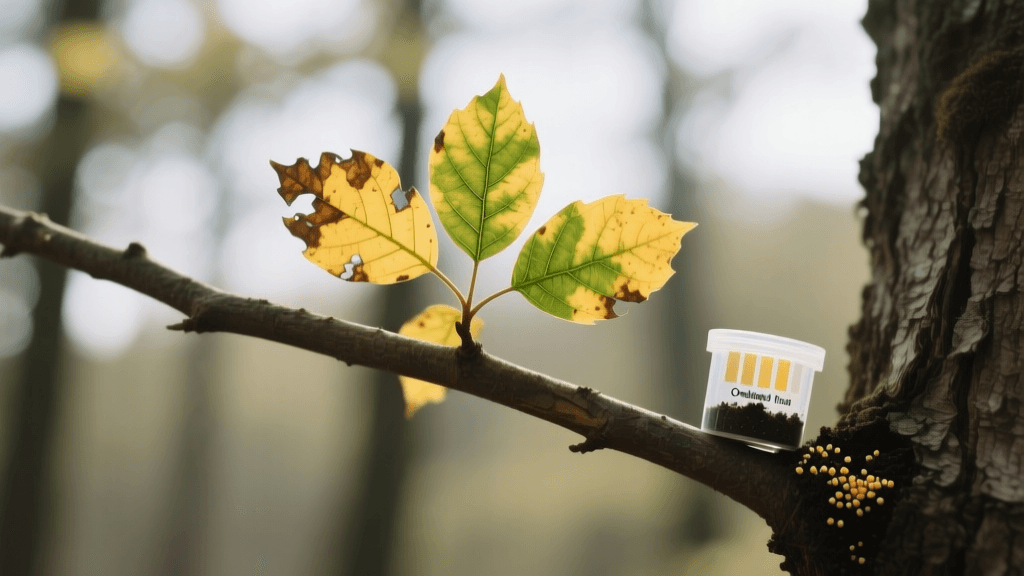
Diagnose and Treat Iron Chlorosis in Landscape Trees
Understanding Iron Chlorosis: The Hidden Starvation
Iron chlorosis is one of the most common and frustrating nutritional disorders affecting landscape trees in North America. Despite its name, this condition rarely occurs because the soil lacks iron. Instead, it happens because the iron present in the soil is chemically locked up and unavailable for the tree's roots to absorb. Iron is an essential micronutrient required for the synthesis of chlorophyll, the green pigment responsible for photosynthesis. When a tree cannot access sufficient iron, it literally starves, losing its ability to produce the energy required for growth and defense.
Left untreated, iron chlorosis weakens the tree's immune system, making it highly susceptible to secondary pests, fungal pathogens, and severe environmental stressors. According to the University of Minnesota Extension, chronic chlorosis eventually leads to branch dieback and the premature death of the tree. However, with accurate diagnosis and targeted troubleshooting, you can restore your tree's health and vibrant green canopy.
Step 1: Accurately Diagnosing Iron Chlorosis
Before purchasing expensive treatments, you must confirm that iron deficiency is the actual culprit. Misdiagnosing the problem can lead to wasted money and further decline. Iron chlorosis presents with very specific visual symptoms that distinguish it from other nutrient deficiencies or environmental stresses.
Visual Symptoms and Progression
The hallmark sign of iron chlorosis is interveinal chlorosis. This means the leaf tissue turns pale yellow or almost white, while the leaf veins remain distinctly green. Because iron is an immobile nutrient within the plant, the tree cannot translocate it from older leaves to new growth. Therefore, symptoms always appear on the newest leaves at the tips of the branches first. As the condition worsens, the yellowed tissue may turn brown and necrotic (leaf scorch), and entire branches may begin to die back.
Differential Diagnosis: Iron vs. Nitrogen vs. Manganese
- Nitrogen Deficiency: Unlike iron, nitrogen is highly mobile. A nitrogen-deficient tree will show uniform yellowing (without green veins) on the oldest, lowest leaves first, as the tree moves nitrogen to support new growth.
- Manganese Deficiency: Manganese chlorosis also causes interveinal yellowing, but it typically affects older leaves first and is more common in maples. The Morton Arboretum notes that distinguishing between iron and manganese deficiency often requires a professional foliar or soil analysis.
Highly Susceptible Tree Species
Certain tree species are notoriously prone to iron chlorosis, especially when planted in alkaline soils. If you have these species, monitor them closely:
- Pin Oak (Quercus palustris)
- Silver Maple (Acer saccharinum)
- River Birch (Betula nigra)
- White Pine (Pinus strobus)
- Sweetgum (Liquidambar styraciflua)
Step 2: Soil Testing and pH Analysis
The primary trigger for iron chlorosis is high soil pH (alkaline soil). When soil pH rises above 7.0, iron oxidizes into a form that plant roots cannot absorb. To troubleshoot effectively, you must test your soil's pH. Purchase a reliable digital soil pH meter or a chemical test kit (like the Luster Leaf Rapitest), or send a soil sample to your local university extension office for a comprehensive analysis.
If your soil pH is between 7.2 and 8.5, iron chlorosis is highly likely. Additionally, compacted soil, poor drainage, and excessive phosphorus levels can exacerbate the problem by restricting root growth and binding with iron.
Step 3: Treatment Options Compared
Once diagnosed, you must choose a treatment method based on your soil pH, budget, and the severity of the decline. Below is a comparison of the most effective troubleshooting strategies.
| Treatment Method | Active Ingredient / Product | Estimated Cost per Tree | Duration of Effect | Best Use Case |
|---|---|---|---|---|
| Soil Drench | Fe-EDDHA (e.g., Sequestrene 138) | $30 - $60 | 1 - 2 Years | Soil pH between 7.0 and 8.5; accessible root zones. |
| Trunk Injection | Ferric Ammonium Citrate / Implants | $150 - $350 (Arborist) | 2 - 4 Years | Soil pH above 8.5; paved areas; severe decline. |
| Soil Acidification | Elemental Sulfur | $15 - $30 | Permanent (Slow) | Long-term landscape management; new plantings. |
| Foliar Spray | Ferrous Sulfate / Chelated Iron | $10 - $25 | 2 - 4 Weeks | Emergency cosmetic fix; small trees only. |
Step 4: Executing the Treatment Plan
Method A: Soil Drench with Fe-EDDHA
For most residential landscapes, applying a chelated iron product containing Fe-EDDHA is the most practical solution. Unlike Fe-EDTA (which breaks down in alkaline soils), Fe-EDDHA remains stable and available to roots even at pH levels up to 8.5. Products like Sequestrene 138 or Miller's Ferriplus are industry standards.
Application Steps:
- Measure the trunk diameter at breast height (DBH).
- Mix the product according to the label, typically 1 to 2 ounces of product per inch of trunk diameter.
- Dig a shallow trench 3 to 4 inches deep around the tree's drip line (the outer edge of the canopy).
- Pour the solution evenly into the trench and backfill with soil. Water deeply immediately after to push the iron into the root zone.
- Timing: Apply in early spring just before bud break for the best results.
Method B: Trunk Injections and Implants
If your soil pH is above 8.5, or if the tree is surrounded by concrete or hardscaping that prevents soil drenching, trunk injections are the only viable option. According to Colorado State University Extension, trunk injections bypass the soil entirely, delivering iron directly into the tree's vascular system (xylem).
This process involves drilling small holes into the base of the trunk and inserting pressurized capsules or solid implants containing ferric ammonium citrate. Because drilling wounds the tree and risks introducing decay fungi, this procedure should only be performed by a certified arborist. The effects are rapid, often greening the canopy within 3 to 4 weeks, and can last for up to four years.
Method C: Lowering Soil pH with Elemental Sulfur
While treating the symptom with iron is necessary for a dying tree, treating the root cause (high pH) is the ultimate long-term fix. Applying elemental sulfur to the soil encourages bacterial activity that produces sulfuric acid, gradually lowering the pH.
Application Rates: To lower soil pH by 0.5 points, apply approximately 1.5 to 2 pounds of elemental sulfur per 100 square feet of soil area. Incorporate it into the top 6 inches of soil if possible, or apply it as a top dressing and water it in. Note that this process is slow; it can take 1 to 2 years to see a significant change in soil pH.
Method D: Foliar Sprays (The Temporary Band-Aid)
Spraying liquid ferrous sulfate or chelated iron directly onto the leaves will turn them green within days. However, this is strictly a cosmetic, short-term fix. The iron does not move to new growth, meaning the next flush of leaves will be yellow again. Furthermore, spraying concentrated iron in hot weather can cause severe phytotoxicity (leaf burn). Use this only for small, highly visible ornamental trees while waiting for soil treatments to take effect.
Preventative Care and Long-Term Management
Troubleshooting iron chlorosis requires ongoing cultural management to prevent recurrence. Implement the following best practices:
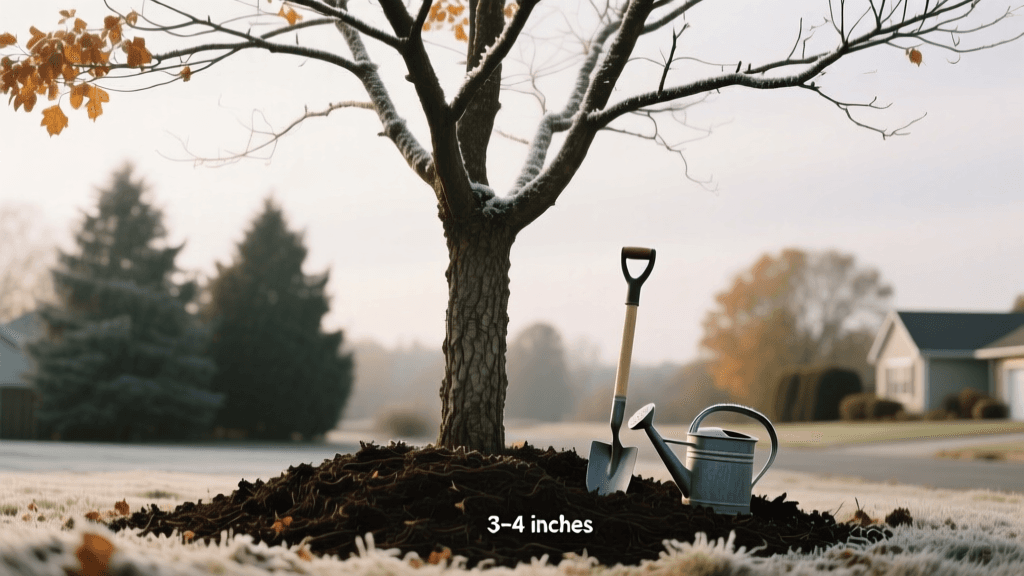
- Proper Mulching: Apply a 3 to 4-inch layer of organic wood chip mulch extending out to the drip line. Mulch moderates soil temperature, retains moisture, and slowly acidifies the soil as it decomposes. Never pile mulch against the trunk (volcano mulching), as this invites rot.
- Avoid Lime and High-Phosphorus Fertilizers: Never apply agricultural lime to trees suffering from chlorosis, as this will raise the pH further. Additionally, excessive phosphorus binds with iron in the soil, making it unavailable. Use fertilizers with a low middle number (e.g., 10-5-10).
- Deep Watering: Drought stress limits root function and nutrient uptake. Water deeply and infrequently, ensuring the top 12 inches of soil are moist.
"The best cure for iron chlorosis is prevention. Selecting tree species that are naturally adapted to your local soil pH will save you years of expensive treatments and heartbreak." — Urban Forestry Best Practices
Conclusion
Diagnosing and treating iron chlorosis requires a methodical approach. By correctly identifying interveinal chlorosis on new growth, testing your soil pH, and selecting the appropriate chelated iron or trunk injection treatment, you can rescue your landscape trees from decline. Remember that long-term soil acidification and proper cultural care are the keys to ensuring your trees remain vibrant, healthy, and green for decades to come.