Tree Care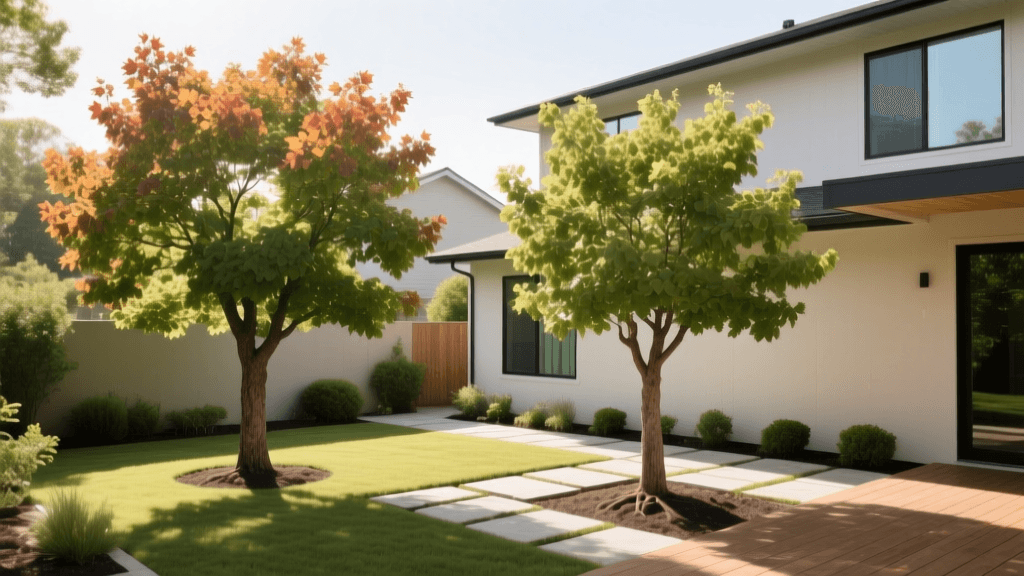
Strategic Tree Placement for Energy Efficient Landscape Design
Designing with Purpose: The Intersection of Aesthetics and Efficiency
When planning a residential landscape, homeowners often prioritize aesthetic appeal, curb appeal, and seasonal color. However, one of the most impactful and frequently overlooked aspects of landscape design is the strategic placement of trees for energy efficiency. By understanding the solar path, wind patterns, and the mature canopy spread of various species, you can design a yard that naturally cools your home in the summer and insulates it in the winter. This approach not only reduces your carbon footprint but also significantly lowers annual utility bills.
According to the U.S. Department of Energy, carefully positioned trees can save a household up to 25% on annual heating and cooling bills. The key lies in treating your landscape as an extension of your home's building envelope. Trees act as living architectural elements that manipulate sunlight, wind, and temperature long before they reach your exterior walls.
The Science of Microclimates and Evapotranspiration
Trees do more than simply cast shadows; they actively cool the surrounding air through a process called evapotranspiration. As trees draw water from the soil and release it through their leaves, the surrounding air temperature drops. A mature, healthy tree can transpire hundreds of gallons of water on a hot summer day, creating a localized microclimate that can be up to 6 degrees Fahrenheit cooler than the surrounding unshaded areas.
The Arbor Day Foundation notes that the cooling effect of a young, healthy tree is equivalent to running ten room-size air conditioners for 20 hours a day. When planning your design, grouping trees near paved surfaces like driveways and patios can prevent these hardscapes from absorbing and radiating heat back toward your home, further enhancing the cooling effect of your outdoor living spaces.
Solar Geometry: Where to Plant for Maximum Shade
To maximize energy efficiency, you must understand how the sun's angle changes throughout the year. In the summer, the sun is high in the sky, while in the winter, it sits much lower on the horizon. This solar geometry dictates exactly where you should plant deciduous versus evergreen trees.
South-Facing Facades
The south side of your home receives the most intense, direct sunlight during the peak heat of the day. For south-facing windows and walls, plant tall, broad-canopied deciduous trees. Species like the Red Maple (Acer rubrum) or Oak (Quercus spp.) should be planted 15 to 25 feet away from the foundation. In the summer, their dense foliage blocks the high-angle sun, keeping interiors cool. In the winter, once the leaves drop, the low-angle winter sun penetrates the bare branches, passively heating your home and reducing furnace workload.
East and West-Facing Facades
East and west walls receive low-angle sun in the morning and late afternoon, respectively. This low-angle sunlight easily bypasses roof overhangs and blinds, causing severe indoor heat gain and glare. For these exposures, select trees with lower crown heights or plant them closer to the home (10 to 15 feet away, depending on mature spread) to intercept the horizontal rays. The Eastern Redbud (Cercis canadensis) or Serviceberry (Amelanchier arborea) are excellent understory choices that provide critical low-angle shading without overwhelming the structure.
Winter Windbreaks and Evergreen Placement
Energy-efficient landscape design is not just about summer cooling; it is equally about winter protection. Cold, sweeping winds can strip heat from your home's exterior and force your heating system to work overtime. Planting a dense windbreak on the north and northwest sides of your property can reduce winter wind speeds and lower heating costs by up to 15%.
According to research published by Penn State Extension, an effective windbreak should consist of dense, multi-row evergreen plantings. The ideal distance for a windbreak is two to five times the mature height of the trees away from the home. For example, if you plant Norway Spruce (Picea abies) trees that will reach 60 feet in maturity, the windbreak should be positioned 120 to 300 feet upwind from the house to allow the wind to curl back over the roof rather than crashing directly into it.
Species Selection, Spacing, and Cost Analysis
Choosing the right tree for the right location prevents future conflicts with infrastructure and ensures the tree thrives. Below is a design chart outlining recommended species, their mature dimensions, ideal placement, and average nursery costs for a standard 15-gallon container tree.
| Tree Species | Mature Height | Canopy Spread | Ideal Placement | Avg. Nursery Cost |
|---|---|---|---|---|
| Northern Red Oak | 60-75 ft | 45-50 ft | South / Southwest | $120 - $180 |
| Eastern Redbud | 20-30 ft | 25-35 ft | East / West | $80 - $130 |
| Norway Spruce | 40-60 ft | 25-30 ft | North / Northwest | $90 - $150 |
| Thornless Honeylocust | 30-50 ft | 30-50 ft | South (Patios) | $110 - $160 |
When budgeting for your landscape design, factor in professional installation costs if you are not planting the trees yourself. A landscape contractor typically charges between $250 and $600 per tree for delivery, site preparation, planting, and initial mulching. While the upfront cost of planting three to five strategic shade trees may range from $1,000 to $2,500, the return on investment through energy savings is typically realized within 8 to 12 years.
Actionable Planting Specifications and Infrastructure Protection
Proper planning extends beyond selecting the right species; it requires meticulous site preparation to protect your home's infrastructure. Tree roots naturally seek out moisture and can cause severe damage to foundations, sewer lines, and underground utilities if not managed correctly.
- Utility Clearance: Always call 811 before digging to have underground utility lines marked. Never plant large-canopy trees directly over or within 10 feet of buried gas or water lines.
- Root Barriers: When planting within 15 feet of a driveway or foundation, install a mechanical root barrier such as the DeepRoot UB 24-2. This 24-inch deep, heavy-duty plastic panel deflects roots downward, preventing hardscape heaving and foundation cracking.
- Soil Amendment: Avoid creating a 'bathtub effect' by backfilling the planting hole with 100% imported topsoil. Instead, mix the native soil with organic compost at a 3:1 ratio to encourage roots to expand into the surrounding native earth.
- Overhead Lines: For areas beneath overhead power lines, strictly adhere to the 'zone' system. Only plant trees that mature under 25 feet in height directly under or adjacent to utility wires to prevent future hazard pruning.
Long-Term Canopy Management and Maintenance
A well-designed landscape requires ongoing management to maintain its energy-efficient properties. As trees mature, their canopies will expand, potentially shading solar panels, blocking desired winter sunlight, or encroaching on the roofline.
Implement a structural pruning schedule during the first five years of the tree's life. By establishing a strong central leader and properly spaced scaffold branches, you reduce the risk of storm damage and ensure the canopy develops the correct shape for your shading goals. Once established, maintain a 3-foot radius of mulch around the base of the tree to retain soil moisture and regulate root temperatures.
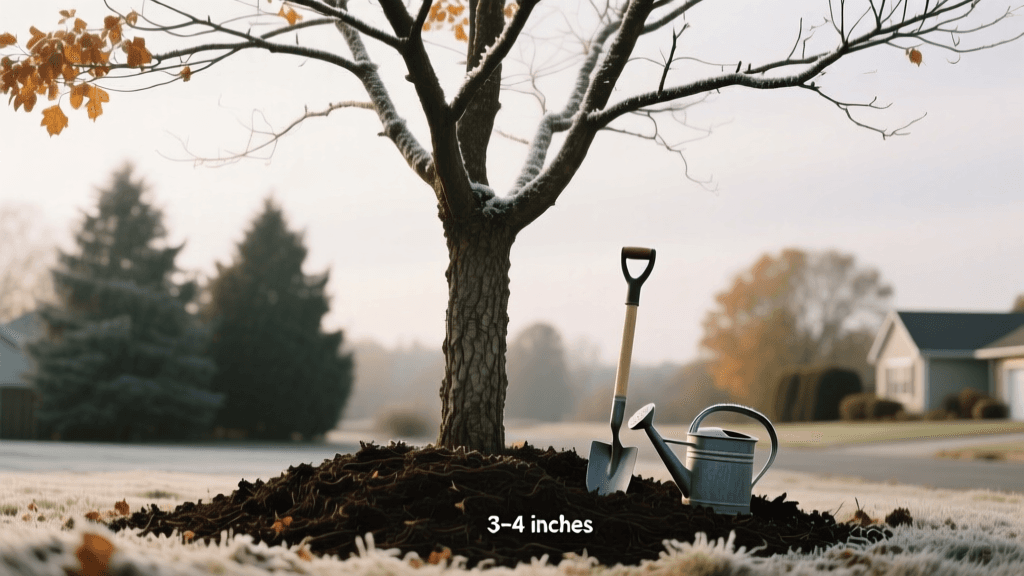
Remember the 3-3-3 rule of mulching: apply a 3-inch layer of organic wood chips, in a 3-foot radius around the trunk, and keep it 3 inches away from the bark to prevent rot and rodent damage.
By viewing trees as dynamic, living components of your home's thermal envelope, you elevate your landscape design from a purely visual endeavor to a functional, energy-saving asset. Strategic placement, rigorous species selection, and proactive infrastructure protection will ensure your trees provide shade, beauty, and financial savings for decades to come.