Tree Care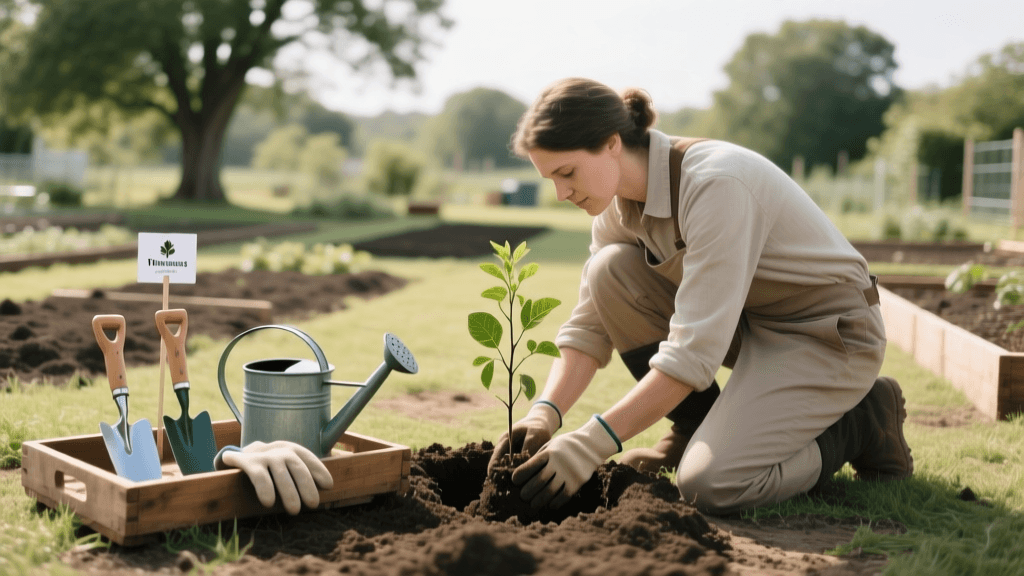
Tree Planting Costs: Budgeting for New Trees and Care
Understanding the True Cost of Tree Planting and Establishment
Planting a tree is one of the most rewarding investments you can make in your landscape, providing shade, increasing property value, and supporting local ecosystems. However, many homeowners focus solely on the price tag of the tree itself and overlook the associated costs of proper installation and long-term establishment. A successful tree planting project requires careful budgeting for soil preparation, specialized tools, mulching, watering systems, and ongoing maintenance. Whether you are planting a small ornamental dogwood or a massive shade-providing oak, understanding the complete financial scope will prevent unexpected expenses and ensure your new tree thrives for decades to come.
Tree Species and Size Pricing Breakdown
When budgeting for a new tree, the initial purchase price varies dramatically based on the species, the nursery it is sourced from, and most importantly, the size of the tree. Trees are typically sold in containers (measured in gallons) or as Balled and Burlapped (B&B) specimens (measured by trunk caliper in inches). A larger tree provides instant impact but comes with a premium price tag and significantly higher installation costs due to the weight and equipment required to move it.
| Tree Size (Caliper / Volume) | Tree Type Examples | Average Nursery Cost | Weight & Handling Requirements |
|---|---|---|---|
| 5 to 7 Gallon Container | Ornamental (Dogwood, Redbud) | $40 - $90 | 30 - 50 lbs (1 person) |
| 15 to 25 Gallon Container | Shade / Evergreen (Maple, Pine) | $120 - $250 | 80 - 150 lbs (2 people) |
| 1.5 to 2 inch Caliper (B&B) | Shade (Oak, Ash, Elm) | $250 - $450 | 150 - 300 lbs (2-3 people) |
| 2.5 to 3.5 inch Caliper (B&B) | Mature Shade (Sycamore, Oak) | $500 - $1,200+ | 400 - 900 lbs (Heavy Equipment) |
As the table illustrates, jumping from a 1.5-inch caliper tree to a 3-inch caliper tree can triple your material costs. Furthermore, trees over 200 pounds generally require machinery like a mini-skid steer or a tractor with a pallet fork, which introduces rental or professional labor fees into your budget.
Professional Installation vs. DIY Planting
Deciding between hiring a certified arborist or landscape contractor versus doing the work yourself is the biggest variable in your tree planting budget. Professional installation typically costs between $300 and $800 per tree for standard sizes, which includes labor, locating utility lines, digging, backfilling, and initial watering. The primary advantage of professional installation is the warranty; many reputable nurseries and landscaping companies will guarantee the tree for one to two years if they handle the planting.
If you opt for the DIY route, your costs will shift toward tools and equipment. You will need a high-quality round-point shovel ($40-$70), a digging bar ($30), and a heavy-duty tarp ($20) for moving soil. For larger B&B trees, renting a two-man gas-powered earth auger from a local hardware store costs approximately $75 to $120 per day. Crucial Budgeting Tip: Always factor in the cost of calling 811 before you dig. In the United States, this service is free and connects you with local utility companies who will mark underground lines, saving you from catastrophic repair bills and potential fines.
Soil Preparation and Amendment Expenses
Skipping a soil test is a common budgeting mistake that can lead to tree failure. Before purchasing amendments, send a soil sample to your local university cooperative extension office. A comprehensive soil analysis typically costs between $15 and $30 and will tell you exactly what your soil lacks, preventing you from wasting money on unnecessary fertilizers.
According to the Purdue University Extension, planting holes should be two to three times the width of the root ball, but no deeper than the root ball itself. They emphasize that heavily amending the backfill soil with excessive compost or peat moss can actually create a 'bathtub effect,' where water pools in the loose amended soil and drowns the roots. Instead, budget for native soil backfill mixed with a modest amount of organic compost (roughly 10-20% by volume). Budget approximately $5 to $10 per bag of high-quality organic compost or specialized tree planting mixes like Espoma Bio-tone Starter Plus, which contains beneficial mycorrhizal fungi to promote root expansion.
Mulching and Watering Systems
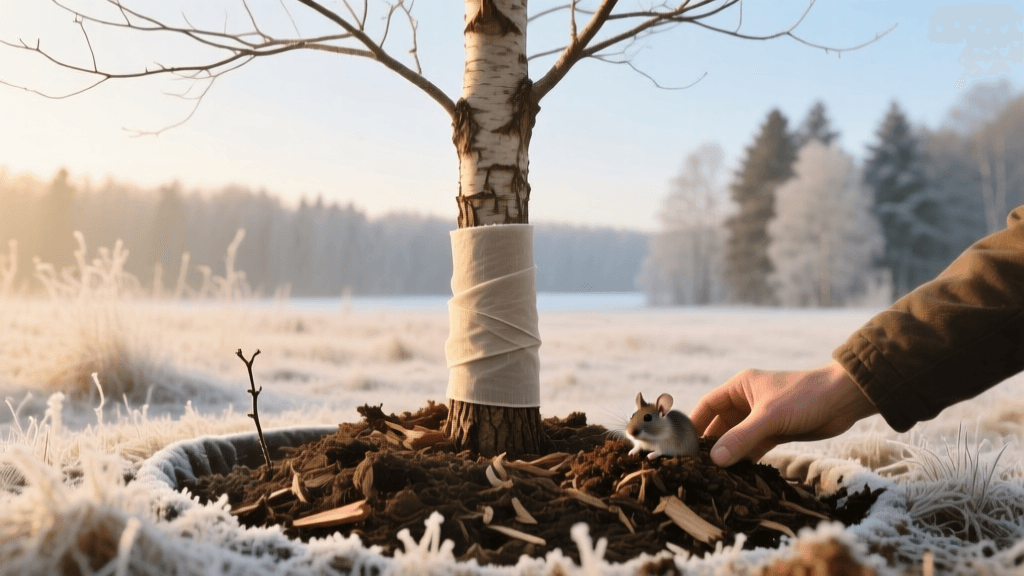
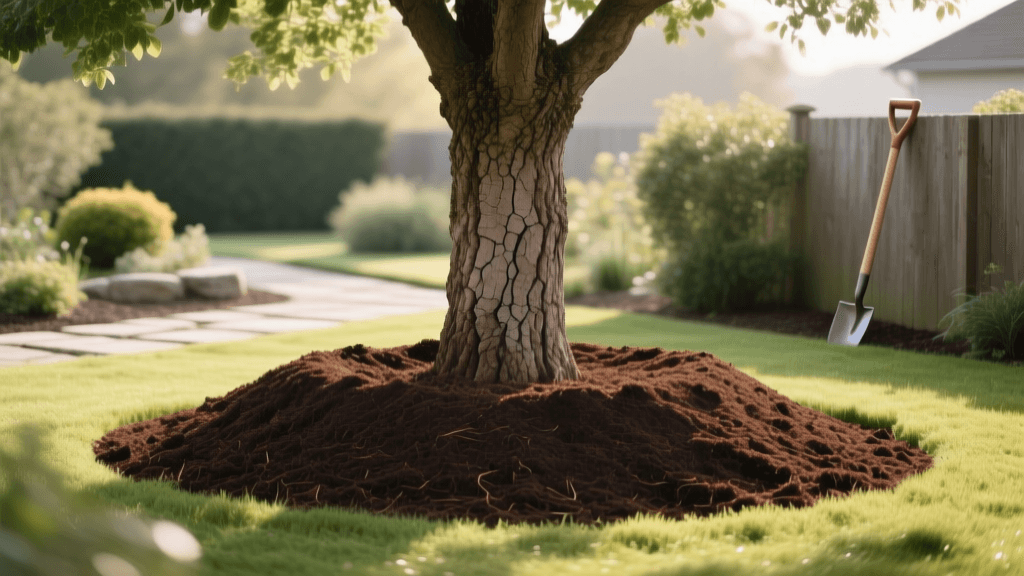
Proper hydration and mulching are non-negotiable for tree establishment, especially during the first two years. Budgeting for mulch is straightforward: a high-quality hardwood or cedar bark mulch costs between $30 and $50 per cubic yard when bought in bulk, or $4 to $6 per bag at retail. You will need enough to create a 3-foot to 4-foot diameter ring around the tree, applied 2 to 3 inches deep. Never pile mulch against the trunk (a practice known as 'volcano mulching'), as this invites rot and rodent damage.
For watering, newly planted trees generally require 10 gallons of water per inch of trunk caliper per week. Hauling hoses and hauling buckets is time-consuming. Investing in slow-release watering bags, such as the Treegator Original ($25 to $35 each), is a highly cost-effective solution. These bags zip around the trunk and slowly drip water directly into the root zone over 5 to 9 hours, ensuring deep soil penetration and reducing water waste through evaporation. For larger landscape projects, budget $100 to $200 for a dedicated drip irrigation line with adjustable emitter heads.
Long-Term Maintenance Budgeting
The budget does not end once the tree is in the ground. The first three to five years are the critical establishment phase. During this time, you should budget for annual health assessments and structural pruning. While light corrective pruning can be done DIY with a pair of high-quality bypass pruners (e.g., Felco 2 or Fiskars, costing $40-$60), hiring an ISA Certified Arborist for a structural pruning visit in year three will cost between $150 and $300. This early intervention corrects weak branch crotches and co-dominant leaders, preventing expensive storm damage removals a decade down the line.
Additionally, budget $20 to $40 annually for a balanced, slow-release granular fertilizer if your soil test indicates nutrient deficiencies. Products like Osmocote or tree-specific fertilizer spikes are easy to apply and provide steady nutrition without the risk of fertilizer burn associated with cheap, synthetic liquid feeds.
Expert Insights and Budgeting Tips
'The right tree in the right place is the cornerstone of sustainable landscaping. Planting a tree that is ill-suited to your site's soil pH, drainage, or hardiness zone will inevitably lead to expensive removal costs later. Invest time in site assessment before investing money in the tree itself.' - International Society of Arboriculture (ISA) Best Management Practices.
To maximize your budget, consider timing your purchase. Many local nurseries offer significant clearance sales in late fall (October and November). Fall planting is highly recommended by arborists because cooler air temperatures reduce canopy stress while the soil remains warm enough to encourage vigorous root growth. Furthermore, check with your local municipal government or utility provider; many cities offer rebate programs or free saplings to homeowners who plant approved shade trees to reduce urban heat islands and lower summer energy demands.