Tree Care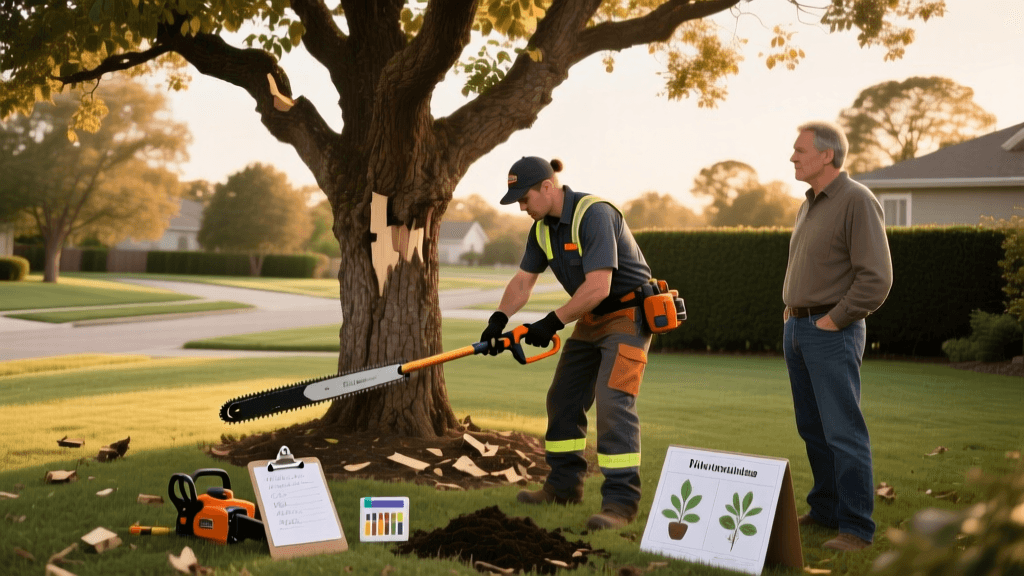
The Ultimate Tree Pruning and Health Care Cost Guide
Introduction to Tree Care Budgeting
Trees are a significant financial asset to any property, capable of increasing home values by up to 15 percent while providing essential shade, privacy, and ecological benefits. However, maintaining the structural integrity and biological health of your landscape trees requires a proactive financial plan. Many homeowners are caught off guard by the expenses associated with mature tree care, often delaying necessary maintenance until a minor issue escalates into a costly emergency or a total tree removal. This comprehensive budgeting guide breaks down the true costs of tree pruning, disease management, soil care, and health assessments. By understanding the pricing structures of both DIY maintenance and professional arborist services, you can allocate your landscaping budget effectively and ensure your trees thrive for decades to come.
The True Cost of Professional Tree Pruning
Pruning is the most common and arguably the most critical tree care practice. Proper pruning removes deadwood, reduces wind resistance, and clears structural hazards. The cost of hiring an ISA-certified arborist to prune your trees varies wildly based on the tree's height, canopy spread, species, and proximity to structures or power lines. Generally, arborists charge either a flat rate per tree or an hourly rate for their crew, which typically ranges from $150 to $250 per hour for a three-person team with a bucket truck.
For homeowners considering the DIY route, the initial investment in high-quality tools is substantial but pays off over time. A professional-grade Silky Gomboy hand saw costs around $50, while a Fiskars 16-foot telescoping pole pruner retails for approximately $60. However, DIY pruning should be strictly limited to small branches under 4 inches in diameter that can be safely reached from the ground. For larger limbs, professionals utilize the three-cut method to prevent bark tearing: an undercut on the branch, a top cut to remove the weight, and a final collar cut to promote rapid compartmentalization. Attempting this on large limbs without proper rigging equipment and climbing spurs is a severe safety hazard.
| Tree Size Category | Height Estimate | Average Professional Pruning Cost | Frequency Needed |
|---|---|---|---|
| Small Trees | Under 30 feet | $150 - $350 | Every 3-5 years |
| Medium Trees | 30 to 60 feet | $350 - $750 | Every 5-7 years |
| Large Trees | 60 to 100 feet | $750 - $1,500+ | Every 7-10 years |
| Extra Large / Hazard | 100+ feet or near power lines | $1,500 - $3,000+ | As needed / Annual inspection |
Budgeting for Tree Disease and Pest Management
Pest infestations and fungal diseases can decimate a mature canopy in a single season if left untreated. Budgeting for tree health care requires understanding the delivery methods of modern arboricultural treatments. The two primary methods are soil drenches and direct trunk injections. Soil drenches, utilizing systemic insecticides like Imidacloprid, are relatively inexpensive and can be applied by homeowners. A bottle of Bayer Advanced 12 Month Tree and Shrub Protect and Feed costs between $20 and $40, sufficient for several small-to-medium trees. However, soil drenches are slow to reach the upper canopy and are less effective against aggressive borers.
For severe threats like the Emerald Ash Borer (EAB), Oak Wilt, or the Hemlock Woolly Adelgid, professional trunk injections are the gold standard. Products containing Emamectin benzoate (such as TreeAge) are injected directly into the xylem tissue at the base of the trunk. The industry standard pricing for trunk injections is calculated by the Diameter at Breast Height (DBH), measured 4.5 feet off the ground. Expect to pay between $8 and $15 per inch of DBH. Therefore, treating a mature Ash tree with a 20-inch DBH will cost between $160 and $300 per treatment, which typically provides two years of systemic protection. While this seems expensive, it is vastly more cost-effective than the $1,500 to $2,500 required to safely remove and replace a dead, hazardous Ash tree.
Soil Health, Mulching, and Deep Root Fertilization
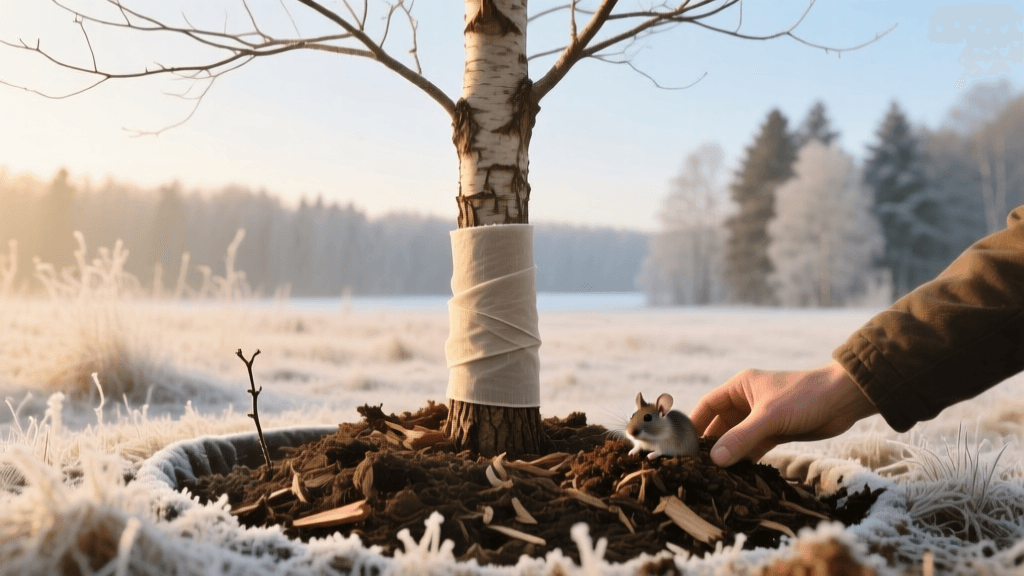
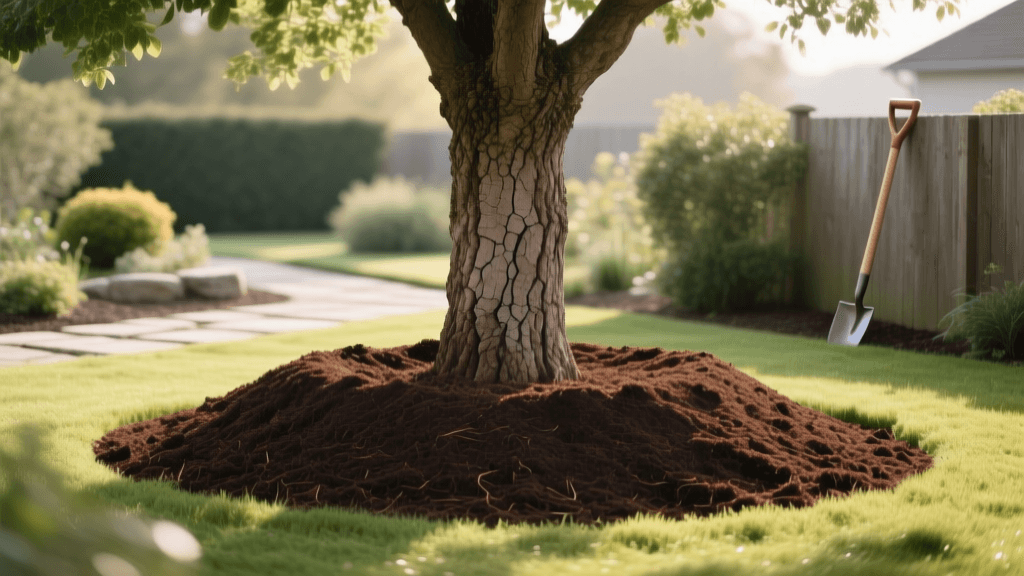
Above-ground symptoms of tree decline, such as chlorosis (yellowing leaves) or premature leaf drop, are frequently caused by below-ground issues like soil compaction, poor drainage, or nutrient deficiencies. Proper mulching is the most cost-effective way to regulate soil temperature, retain moisture, and suppress competing grass roots. The University of Florida IFAS Extension strongly advocates for the '3-3-3' mulching rule: apply a 3-inch deep layer of mulch, extending in a 3-foot radius (or further to the drip line), while keeping the mulch at least 3 inches away from the trunk flare to prevent rot and rodent damage.
Bulk hardwood mulch is highly economical, costing between $30 and $45 per cubic yard when delivered. In contrast, bagged mulch from big-box stores can cost the equivalent of $100 to $150 per cubic yard. For trees suffering from severe soil compaction, particularly in new construction zones, professional air spading is required. Air spading uses compressed air to safely excavate compacted soil around the root zone without severing vital roots, allowing for the incorporation of organic compost. Air spading services are premium and typically cost between $500 and $1,200 per tree, depending on the extent of the radial trenching required.
Deep root fertilization is another vital soil care service. Unlike surface fertilizers that are quickly absorbed by lawn grass, deep root feeding injects a liquid blend of macronutrients, micronutrients, and mycorrhizal fungi directly into the root zone under high pressure. This service generally costs $50 to $150 per tree and is best performed in late fall or early spring when the tree is actively storing energy.
Tree Health Assessment and Risk Evaluation
Before investing in expensive treatments or pruning, it is wise to budget for a professional tree risk assessment (TRA). Conducted by an ISA Tree Risk Assessment Qualified (TRAQ) arborist, this evaluation identifies structural defects, root decay, and potential targets (like your home or driveway). A comprehensive written TRA report typically costs between $200 and $500. While it may seem like an unnecessary upfront expense, it provides a legally sound, expert roadmap for your long-term tree care budget and can be invaluable when dealing with home insurance claims regarding storm damage liability.
According to the International Society of Arboriculture (ISA), improper pruning techniques like 'tree topping'—the indiscriminate cutting of large branches back to stubs—violate ANSI A300 pruning standards. Topping removes up to 100 percent of the leaf-bearing crown, starving the tree and triggering the rapid growth of weakly attached, highly susceptible water sprouts. This ultimately costs homeowners thousands in emergency storm damage removal.
Seasonal Tree Care Budget Schedule
To avoid financial strain, spread your tree care expenses across the calendar year. Here is a recommended seasonal budgeting schedule for a standard suburban landscape with five to ten mature trees:
- Early Spring (March - April): Budget for soil testing ($20-$30) and deep root fertilization. Apply pre-emergent herbicides to prevent weeds from competing with tree root zones. Inspect deciduous trees for winter storm damage and budget for minor corrective pruning.
- Summer (June - July): Focus on irrigation and pest monitoring. Budget for soil drench treatments if Japanese beetles or aphids are present. Ensure your irrigation system is delivering deep, infrequent watering (1 inch of water per week) to promote deep root growth rather than surface roots.
- Autumn (October - November): This is the ideal time for major structural pruning of deciduous trees as they enter dormancy. Budget for professional arborist services now, as many companies offer off-peak discounts. Purchase and apply bulk hardwood mulch before the first hard freeze.
- Winter (December - February): Budget for professional tree risk assessments and planning. Winter is the best time to treat Oak trees for Oak Wilt prevention, as the beetles that spread the fungal mats are inactive. It is also the optimal time to schedule large tree removals if necessary, as the frozen ground protects your lawn from heavy equipment damage.
Conclusion
Effective tree care is an ongoing investment rather than a one-time expense. By understanding the costs associated with professional pruning, systemic disease treatments, and advanced soil remediation, homeowners can transition from reactive emergency spending to proactive landscape management. Always prioritize hiring ISA-certified professionals for high-risk tasks, utilize the 3-3-3 mulching method to naturally improve soil health, and adhere to a seasonal schedule to keep your trees safe, beautiful, and financially manageable year after year.