Tree Care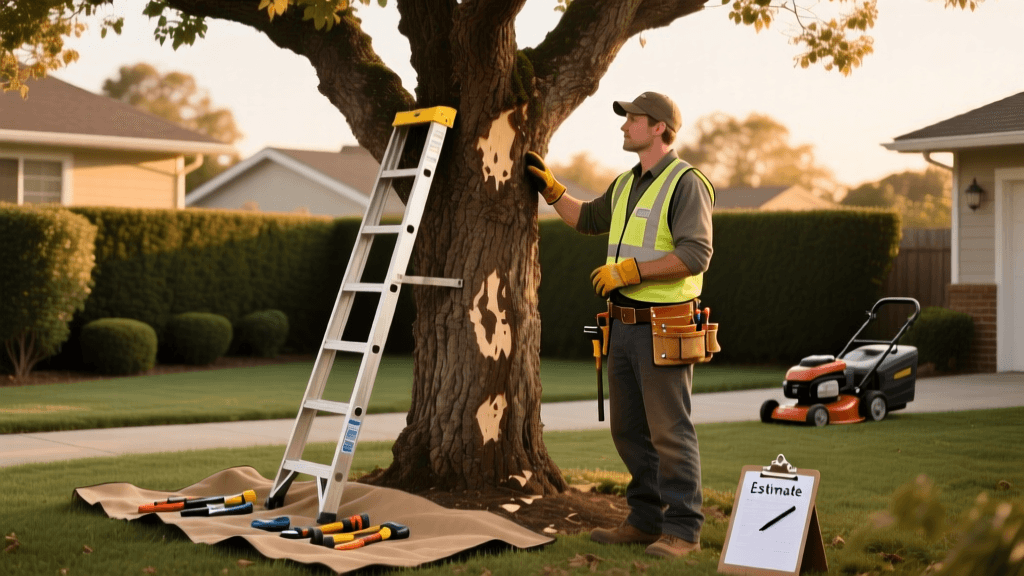
The Complete Cost Guide for Tree Pruning and Removal
Introduction to Tree Care Budgeting
Maintaining the trees on your property is essential for curb appeal, safety, and long-term landscape health. However, professional tree care can represent a significant line item in your annual home maintenance budget. Whether you are dealing with an overgrown oak blocking your solar panels or a diseased elm that poses a storm hazard, understanding the economics of tree service is crucial. This comprehensive budgeting guide breaks down the costs of tree pruning and removal, helping you plan your landscaping expenses, avoid predatory pricing, and make informed decisions about when to hire a professional.
Average Tree Pruning and Trimming Costs
Routine pruning is vital for structural integrity, disease prevention, and encouraging robust spring growth. According to industry data compiled by HomeGuide, the national average cost to trim or prune a tree ranges from $250 to $500, with most homeowners spending around $400. However, this baseline fluctuates wildly based on the tree's height, canopy density, and proximity to hazards like power lines or structures.
Small trees (under 30 feet), such as dogwoods, redbuds, or ornamental cherries, are relatively inexpensive to prune, often costing between $75 and $250. These can usually be reached with pole saws or standard ladders, reducing the need for heavy machinery or complex rigging.
Medium trees (30 to 60 feet), like maples, birches, or ash, require more labor, specialized climbing gear, or bucket trucks. Expect to budget between $200 and $600 for a thorough crown cleaning, deadwood removal, and structural training.
Large trees (over 60 feet), such as mature oaks, pines, or sycamores, demand advanced rigging, highly skilled certified arborists, and significant time on-site. Pruning these giants typically costs between $500 and $1,500 or more, especially if the canopy overhangs a roof or driveway.
| Tree Size Category | Average Height | Estimated Pruning Cost | Primary Equipment Needed |
|---|---|---|---|
| Small | Under 30 ft | $75 - $250 | Hand pruners, pole saws, step ladders |
| Medium | 30 - 60 ft | $200 - $600 | Climbing spikes, bucket trucks, chainsaws |
| Large | Over 60 ft | $500 - $1,500+ | Heavy rigging, cranes, advanced harnesses |
Tree Removal Costs: What to Expect
Tree removal is inherently more dangerous and labor-intensive than pruning, which is directly reflected in the price. Data from Angi indicates that the average tree removal cost sits between $500 and $2,500, heavily dependent on the trunk diameter, species, and the tree's overall condition.
A dead, rotting, or severely leaning tree poses a massive risk to the crew and surrounding property. These hazard trees require meticulous sectional dismantling rather than a simple felling, which takes considerably more time. If the tree is entangled in power lines or situated in a fenced backyard with narrow gate access, the arborists must manually carry the brush and wood to the chipper, drastically increasing labor hours and the final invoice.
| Tree Condition | Trunk Diameter | Estimated Removal Cost | Complexity Factors |
|---|---|---|---|
| Small / Healthy | Under 12 inches | $150 - $500 | Open space, easy access, simple felling |
| Medium / Moderate Risk | 12 - 24 inches | $500 - $1,200 | Near fences, requires sectional dismantling |
| Large / Hazardous | Over 24 inches | $1,200 - $3,000+ | Power lines, roof overhang, decay, rigging |
Hidden Fees and Surcharges to Watch For
When budgeting for tree work, the base quote is rarely the final invoice. Homeowners must account for several common surcharges that can inflate the final cost if not discussed upfront:
- Stump Grinding: Removing the tree leaves a stump. Stump grinding usually costs $2 to $4 per inch of diameter, averaging $150 to $500 per stump depending on root flare spread.
- Hauling and Debris Removal: Some companies charge extra to haul away the wood and chips. Always clarify if "cleanup and haul" is included in the written estimate, or if they will leave the wood for you as firewood.
- Emergency Surcharges: If a tree falls on your roof or blocks your driveway during a weekend storm, expect to pay a 25% to 50% emergency premium for immediate mobilization.
- Crane Rentals: For massive trees in tight spaces where traditional rigging is unsafe, a mobile crane may be required, adding $500 to $1,000+ per day to the project.
- Travel Fees: If you live in a rural area outside the company's standard service radius, a trip charge of $50 to $100 may apply.
Permits and Municipal Regulations
Depending on your local municipality or Homeowners Association (HOA), removing certain species or trees above a specific diameter may require a permit. Failing to secure this documentation can result in fines ranging from $100 to several thousand dollars, especially if the tree is considered a protected heritage species or is located in a municipal easement. Always budget an extra $50 to $150 for permit acquisition, or ensure your arborist includes this administrative task in their proposal.
DIY vs. Hiring a Certified Arborist
The allure of DIY tree care is strong when you are trying to save money on home maintenance. Renting a chainsaw and watching online tutorials might seem like a viable budget hack for small pruning jobs. However, the International Society of Arboriculture (ISA) strongly advises against DIY removal or pruning near utility lines. The financial cost of a single emergency room visit, a crushed fence, or a severed fiber-optic cable will instantly obliterate any money saved by skipping a professional.
If you are pruning small, young trees (under 15 feet) using hand pruners and loppers, DIY is highly cost-effective and encouraged for proper structural training. But for anything requiring a ladder, a chainsaw, or a climbing harness, allocate the budget for a licensed and insured arborist. Always request a Certificate of Insurance (COI) directly from their provider to ensure you are not held liable for worker's compensation claims if an accident occurs on your property.
Seasonal Budgeting and Financing Strategies
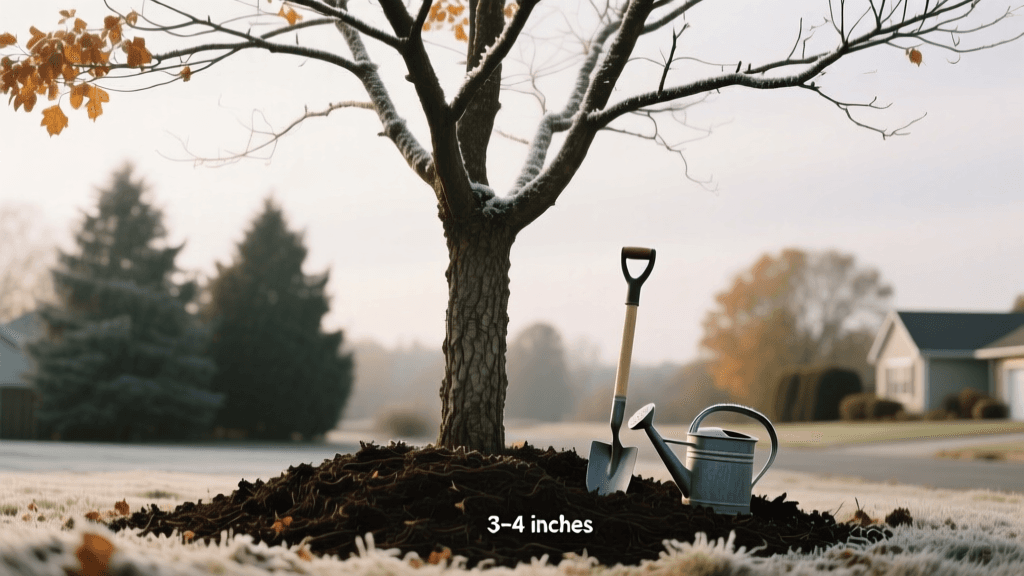
Timing your tree care can yield significant budget savings. The peak season for arborists is late spring through summer, alongside emergency storm response in autumn. If you schedule non-essential pruning or removals during the late winter dormant season (January to early March), many companies offer discounts of 10% to 20% to keep their crews employed during their slow months.
Furthermore, winter pruning is highly beneficial for tree health. The absence of leaves allows arborists to see the branch structure clearly, and dormant pathogens are less likely to infect fresh cuts. If the total cost of a major removal exceeds your immediate cash flow, ask about financing. Many established tree care companies partner with third-party lenders to offer 0% interest promotional periods for projects exceeding $1,000, allowing you to address safety hazards immediately without draining your emergency fund.
How to Get Accurate Quotes and Avoid Scams
When soliciting bids, never accept a quote over the phone. A reputable arborist must perform an on-site risk assessment to evaluate soil conditions, lean, decay, and target zones. Obtain at least three detailed, written estimates. Beware of "door-knockers" who offer cheap cash-only deals immediately after a severe storm; these individuals rarely carry liability insurance or workers' compensation, leaving you financially vulnerable. Ensure the contract specifies the exact scope of work, including whether the wood will be cut into firewood lengths or hauled away entirely, and the expected cleanup standards.
Conclusion
Budgeting for tree pruning and removal requires a realistic understanding of the variables involved, from tree height to site accessibility. By gathering multiple on-site quotes, scheduling major work during the winter off-season, and prioritizing the safety credentials of your arborist, you can maintain a stunning, safe landscape without derailing your household finances.