Tree Care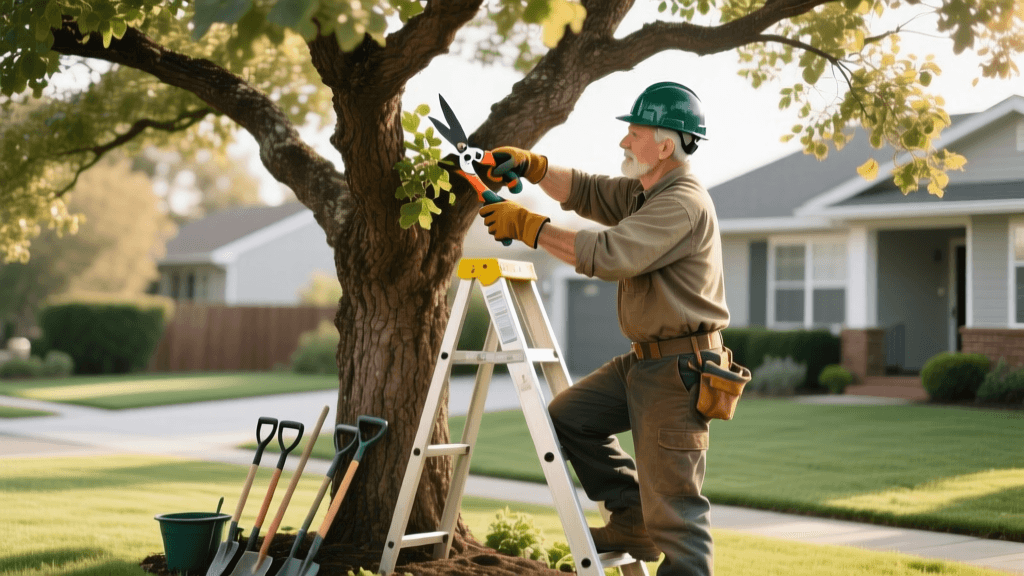
Budgeting for Tree Pruning and Professional Arborist Care
The Financial Value of Proper Tree Pruning
Maintaining the trees on your property is not just an aesthetic endeavor; it is a crucial investment in the safety, health, and long-term value of your landscape. However, when homeowners begin researching tree care, they are often met with a wide and confusing range of pricing. Budgeting for professional tree pruning requires an understanding of arboriculture, tree biology, and the specific variables that dictate labor and equipment costs. Whether you are managing a single heritage oak in your front yard or maintaining a diverse canopy of maples and pines, understanding where your money goes will help you make informed, cost-effective decisions. This comprehensive budgeting guide breaks down the true costs of professional tree pruning, helping you plan your yard care expenses without sacrificing the health of your trees.
Why Hire an ISA-Certified Arborist?
When budgeting for tree care, the temptation to hire the cheapest option is strong. However, hiring an uninsured or uncertified individual can lead to disastrous financial consequences, including property damage, personal injury liability, and irreversible harm to your trees. The International Society of Arboriculture (ISA) sets the global standard for tree care professionals. An ISA-Certified Arborist has passed rigorous exams and maintains continuing education in tree biology, proper pruning techniques, and safety protocols.
'Proper pruning is essential in developing a tree with a strong structure and desirable form. Trees that receive the proper pruning measures while they are young will require little corrective pruning as they mature.' - International Society of Arboriculture (ISA)
According to the University of Florida IFAS Extension, improper pruning cuts, such as flush cuts or leaving long stubs, can lead to severe decay, structural weakness, and eventual tree failure. The cost of removing a dead, hazardous tree later will far exceed the cost of hiring a certified professional for routine maintenance today.
Average Tree Pruning Costs by Size
The most significant factor in determining the cost of tree pruning is the overall size of the tree. Arborists typically categorize trees by height and trunk diameter to estimate the time, equipment, and crew size required for the job. Below is a structured breakdown of average national costs for professional tree pruning.
| Tree Size Category | Height Range | Average Cost Range | Typical DBH |
|---|---|---|---|
| Small | Under 30 feet | $75 - $300 | Under 12 inches |
| Medium | 30 to 60 feet | $150 - $600 | 12 to 24 inches |
| Large | 60 to 80 feet | $300 - $1,000 | 24 to 36 inches |
| Extra Large | Over 80 feet | $500 - $2,000+ | Over 36 inches |
Understanding DBH (Diameter at Breast Height)
Arborists use DBH to standardize tree measurements. DBH is measured at exactly 4.5 feet above the ground. If a tree splits into multiple trunks below 4.5 feet, the arborist will measure the largest trunk or combine the diameters to calculate the overall mass. Knowing your trees' DBH before requesting quotes will help you verify if an arborist's estimate is fair and accurate.
Types of Pruning and Their Budget Impact
Not all pruning is created equal. The specific type of pruning your tree requires will heavily influence the final bill. Here are the standard pruning services and how they impact your budget:
- Crown Cleaning: This involves the removal of dead, diseased, crossing, or broken branches. It is the most common and generally the most affordable maintenance service, as it requires less selective decision-making and focuses purely on hazard reduction.
- Crown Thinning: This selective removal of branches increases light penetration and air movement. It requires a highly skilled arborist to ensure the tree's structural integrity is not compromised. Expect to pay 15% to 25% more for crown thinning compared to basic cleaning.
- Crown Raising: This removes the lower branches to provide clearance for buildings, vehicles, or pedestrians. It is relatively straightforward but requires careful collar cuts to prevent trunk decay.
- Crown Reduction: Often confused with the harmful practice of 'topping,' proper crown reduction decreases the height or spread of a tree by cutting back to lateral branches that are large enough to assume the terminal role. This is highly technical, time-consuming work and commands a premium price.
Key Factors That Influence Your Final Bill
Beyond size and pruning type, several logistical factors will alter your budget. Understanding these will help you prepare for your estimate.
- Accessibility and Equipment Needs: If an arborist can drive a bucket truck directly next to the tree, the job will be faster and cheaper. If the tree is in a fenced backyard with narrow gates, the crew must climb the tree manually and carry debris out by hand, significantly increasing labor costs.
- Proximity to Hazards: Trees intertwined with power lines, hanging over your roof, or near delicate landscaping require meticulous rigging and lowering techniques. The arborist must use specialized ropes and pulleys to lower branches safely, which adds time and expense.
- Tree Health and Condition: A dead or severely decayed tree is highly unpredictable. Climbing a dead tree is dangerous, often requiring the arborist to use an aerial lift or employ advanced rigging techniques to avoid the trunk snapping under their weight.
- Debris Removal and Cleanup: Most standard quotes include hauling away all wood and brush. If you choose to keep the wood for firewood or ask the crew to chip the brush into mulch for your garden beds, you may be able to negotiate a small discount.
Hidden Costs and Budgeting Traps
When planning your landscape budget, beware of hidden costs that can derail your financial planning. First, always verify that the quote includes complete cleanup. Some disreputable operators will offer a lowball price but leave massive piles of brush on your lawn, charging you an extra 'haul-away fee' once the work is done. Second, if you are pruning a tree near a municipal street or sidewalk, your local government may require a permit or an inspection by a city forester. Finally, if an arborist discovers a severe pest infestation, such as Emerald Ash Borer or Bark Beetles, during the pruning process, you may need to budget separately for systemic chemical treatments or, in the worst-case scenario, complete tree removal.
DIY Pruning vs. Professional Services
To save money, many homeowners attempt to prune trees themselves. DIY pruning is only recommended for small, young trees or low-hanging branches that are easily reachable from the ground. If you choose the DIY route, invest in high-quality, bypass-style tools. The Felco F-2 Classic Hand Pruner (approx. $60) is the industry standard for clean, precise cuts on branches up to 1 inch thick. For slightly larger limbs, a Silky Gomboy folding saw (approx. $50) provides exceptional cutting power without tearing the bark. For higher branches, a Fiskars 12 ft. Telescoping Pruner (approx. $45) allows you to maintain a safe footing on the ground.
However, never attempt DIY pruning if the branch is larger than 4 inches in diameter, if you need to use a ladder while holding a saw, or if the tree is near power lines. The cost of a hospital visit or a damaged roof will instantly obliterate any money saved by skipping a professional arborist.
Seasonal Timing for Maximum Budget Efficiency
Timing your tree care can yield significant budget savings. The absolute best time to prune most deciduous trees is during their winter dormancy, typically between late November and early March, depending on your hardiness zone. Pruning during dormancy minimizes the risk of spreading diseases like oak wilt or fire blight, and it allows the arborist to see the tree's structural framework clearly without leaves in the way.
From a budgeting perspective, winter is often the off-season for tree care companies in many regions. Because demand drops significantly after the autumn leaf drop, many reputable arborist companies offer winter discounts ranging from 10% to 20% to keep their crews busy. Scheduling your major pruning projects for January or February can result in substantial savings on your annual landscape maintenance budget.
How to Vet and Hire the Right Professional
To ensure your budget is spent wisely, always obtain at least three detailed, written estimates from different ISA-Certified Arborists. Do not simply choose the lowest bid. Evaluate the scope of work described in each proposal. Ensure that every company provides proof of both liability insurance and workers' compensation insurance. If a worker is injured on your property by an uninsured crew, you could be held financially liable for their medical bills. Ask for references and check reviews on trusted platforms. A professional arborist will walk your property with you, explain the biological reasoning behind their proposed cuts, and provide a transparent, itemized invoice. By combining proper seasonal timing, an understanding of tree measurements, and careful vetting of professionals, you can effectively budget for tree pruning that enhances the beauty, safety, and value of your property for decades to come.