Tree Care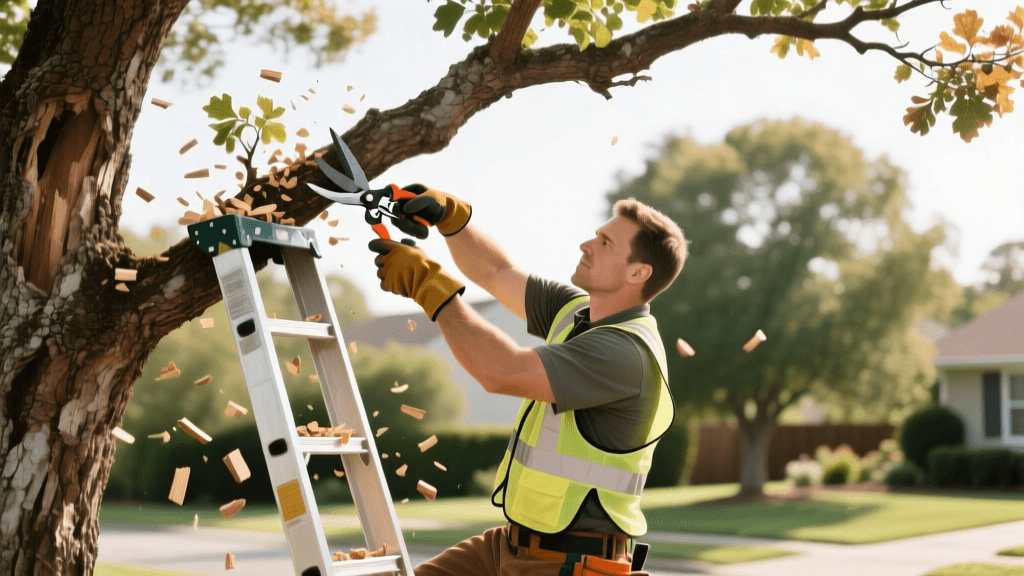
The Cost of Professional Tree Pruning: Budget Guide
Introduction to Tree Pruning Investments
Trees are among the most valuable living assets on your property. According to the USDA Forest Service, properly maintained, mature trees can increase property values by up to 10 percent while providing essential energy savings, stormwater management, and aesthetic appeal. However, maintaining these towering assets requires a strategic financial approach. Professional tree pruning is not merely a cosmetic upgrade; it is a vital health and safety intervention that prevents catastrophic limb failures, mitigates disease, and extends the lifespan of the tree.
For homeowners, budgeting for tree care can be confusing due to the wide variance in pricing. A simple dead-wood removal on a small ornamental tree might cost less than a hundred dollars, while a complex crown reduction on a mature oak overhanging a roof can easily exceed a thousand dollars. This comprehensive budgeting guide breaks down the true costs of professional tree pruning, helping you allocate your landscaping funds effectively while ensuring your trees receive care that aligns with industry standards.
Key Factors That Influence Pruning Costs
Arborists do not use a flat-rate pricing model. Instead, they calculate estimates based on a matrix of variables that dictate the time, labor, equipment, and risk involved in the job. Understanding these factors will help you make sense of the quotes you receive.
Tree Size and Canopy Volume
The most significant determinant of cost is the physical size of the tree. Taller trees with wider canopies require more time to climb, more cuts to make, and significantly more debris to haul away. A tree's height and trunk diameter directly correlate to the equipment needed; while a small tree might only require a ladder and hand saws, a massive shade tree may necessitate a bucket truck or even a specialized crane.
Species, Wood Density, and Health
The type of tree heavily influences the labor required. Dense hardwoods like Oak, Hickory, and Maple are heavier and tougher to cut, dulling chainsaw blades faster and requiring more physical exertion to rig and lower heavy limbs safely. Conversely, softer woods like Pine or Spruce are lighter but often present challenges with sap, sticky residue, and brittle deadwood. Furthermore, if a tree is infected with a contagious pathogen like Oak Wilt or Dutch Elm Disease, arborists must follow strict sterilization protocols and apply pruning sealants, which adds to the overall cost.
Accessibility and Location Hazards
Where the tree is located on your property is just as important as its size. A tree in an open field allows an arborist to drop limbs freely and use heavy machinery. A tree situated between a house, a fence, and high-voltage power lines requires meticulous technical rigging. Arborists must use ropes, pulleys, and friction devices to slowly lower small pieces of wood to the ground without damaging your property. This 'drop-zone restriction' drastically increases the time and skill required, thereby raising the price.
Average Cost Breakdown by Tree Size
While regional labor rates and local economic factors will cause prices to fluctuate, the following table provides a reliable national baseline for professional tree pruning costs based on tree height.
| Tree Category | Approximate Height | Average Cost Range | Equipment Typically Required |
|---|---|---|---|
| Small Trees | Under 30 feet | $75 - $300 | Hand saws, pole pruners, ladders |
| Medium Trees | 30 to 60 feet | $200 - $550 | Climbing gear, bucket trucks, chippers |
| Large Trees | 60 to 80 feet | $400 - $900 | Bucket trucks, heavy rigging ropes |
| Extra Large Trees | Over 80 feet | $800 - $1,500+ | Cranes, advanced rigging, large crews |
Understanding ANSI A300 Pruning Standards
When requesting quotes, it is crucial to specify the type of pruning you need. The International Society of Arboriculture (ISA) and the Tree Care Industry Association (TCIA) utilize the ANSI A300 standards to define pruning practices. Different techniques require different levels of effort and expertise.
Crown Cleaning
This involves the removal of dead, diseased, detached, or broken branches. It is the most basic form of pruning and is usually the least expensive. Crown cleaning is essential for hazard reduction and is often recommended on a 3-to-5-year cycle for mature trees.
Crown Thinning
Thinning is the selective removal of smaller, live branches to reduce crown density. This allows more sunlight to penetrate the canopy and reduces wind resistance, which can prevent storm damage. Because it requires a trained eye to maintain the tree's natural structure without 'lion-tailing' (a harmful practice that strips inner branches), thinning is more labor-intensive and costly than basic cleaning.
Crown Raising
Crown raising removes the lower branches of a tree to provide clearance for buildings, vehicles, pedestrians, or sightlines. This requires precise collar cuts to ensure the tree heals properly and does not develop structural weaknesses or decay at the base.
Crown Reduction and Hazard Pruning
Reduction pruning decreases the height or spread of a tree by carefully cutting back to lateral branches that are large enough to assume the terminal role. This is highly technical work often required when a tree has outgrown its space or is interfering with utility lines. Hazard pruning targets specific, high-risk limbs that show signs of splitting, decay, or structural failure. Both methods are the most expensive due to the high level of skill and precision required.
The DIY vs. Professional Cost-Benefit Analysis
It can be tempting to save money by tackling tree pruning yourself. For small ornamental trees, fruit trees, or branches under 15 feet that are easily reachable with a hand saw or pole pruner, DIY is a safe and budget-friendly option. A high-quality bypass pruner and a telescoping pole saw will cost between $50 and $150.
However, attempting to prune medium or large trees yourself is a severe financial and physical risk. The Occupational Safety and Health Administration (OSHA) consistently ranks tree trimming and logging among the most dangerous professions in the world. Homeowners frequently suffer fatal or life-altering injuries from falls, chainsaw kickbacks, or being struck by falling limbs. Furthermore, improper pruning techniques like 'topping' or flush-cutting can introduce fatal diseases and structural decay, ultimately leading to a tree removal bill that costs thousands of dollars. Hiring an insured professional transfers the liability away from your homeowner's insurance policy and guarantees the biological health of the tree.
Strategic Budgeting Tips for Homeowners
If you are working with a strict landscaping budget, there are several strategic ways to manage and reduce your tree care expenses without compromising on quality.
- Schedule During the Dormant Season: Late fall and winter are the best times to prune most deciduous trees. Because the leaves are gone, arborists have better visibility of the tree's structure, and the risk of spreading insect-borne diseases is minimal. Additionally, many tree care companies offer a 10% to 15% winter discount to keep their crews busy during their slow season.
- Bundle Your Services: If you have multiple trees on your property, do not hire an arborist for one tree at a time. The mobilization cost (bringing the truck, crew, and chipper to your site) is a significant portion of the bill. Bundling three or four trees into a single day's work drastically reduces the per-tree cost.
- Opt for 'Haul Away' Alternatives: If you have a use for wood chips as garden mulch or firewood, ask the arborist to leave the chipped debris or cut the larger logs into manageable, un-split rounds in your driveway. Hauling away debris requires dump trucks and landfill fees; keeping the wood on-site can shave 15% to 20% off your final invoice.
- Implement a Preventative Care Schedule: Budgeting $200 every three years for routine crown cleaning is far more economical than waiting ten years and paying $1,200 for an emergency hazard reduction after a major storm has compromised an overgrown canopy.
How to Vet and Hire a Certified Arborist
When budgeting for tree care, the lowest bid is rarely the best choice. Uninsured 'fly-by-night' operators may offer cheap rates but can cause immense damage to your lawn, your home, or themselves, leaving you financially liable. Always verify that the company employs an ISA Certified Arborist and carries both Workers' Compensation and comprehensive General Liability insurance. Request a certificate of insurance directly from their provider before any work begins.
'Proper pruning is an essential practice for maintaining tree health and structural integrity. Homeowners should always seek out professionals who adhere to ANSI A300 standards to ensure the long-term vitality of their urban forest.' — International Society of Arboriculture (ISA) Consumer Guidelines.
Always obtain at least three detailed, written estimates. A professional quote should clearly outline the scope of work, the specific pruning techniques to be used (e.g., 'crown thin to 15% density'), the cleanup process, and the total price. By understanding the variables that drive tree pruning costs and planning your maintenance schedule proactively, you can protect your budget, your property, and the majestic trees that make your landscape truly exceptional.