Tree Care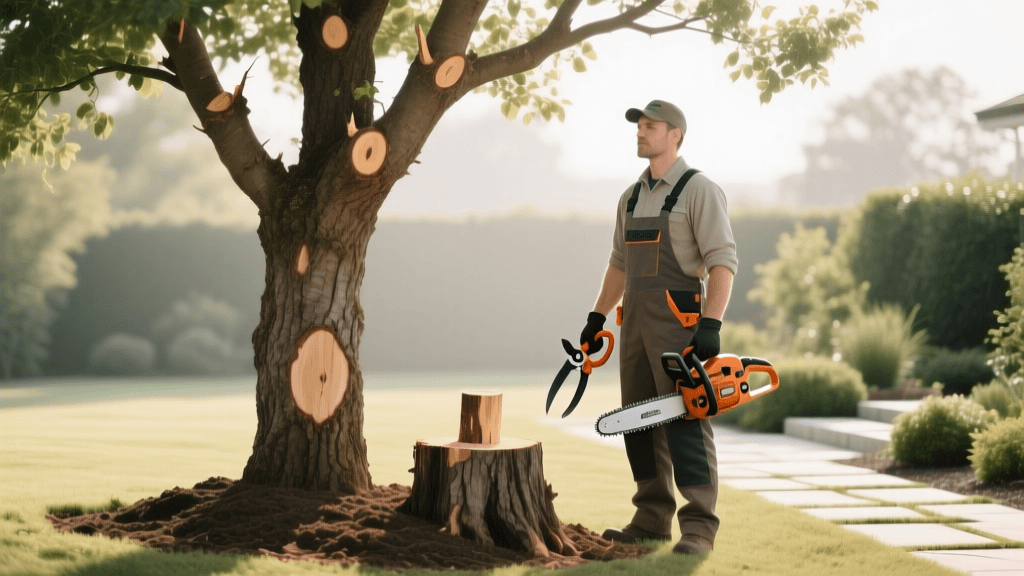
Tree Pruning and Removal Costs: A Homeowner Budget Guide
Budgeting for Professional Tree Care: What Homeowners Need to Know
Maintaining the trees on your property is a vital investment in your home's curb appeal, structural safety, and overall landscape health. However, budgeting for professional tree care can feel overwhelming, especially when faced with varying quotes and a wide range of potential services. Whether you are dealing with overgrown branches threatening your roof, a diseased trunk that requires removal, or routine health assessments, understanding the financial landscape of arboriculture is essential.
Unlike standard landscaping, tree care requires specialized equipment, rigorous safety protocols, and advanced horticultural knowledge. According to the International Society of Arboriculture (ISA), hiring a certified professional ensures that your trees are pruned according to biological standards, preventing long-term decay and structural failure. This guide breaks down the true costs of tree pruning, removal, and stump grinding, while providing actionable strategies to help you budget effectively without sacrificing quality or safety.
Average Tree Care Cost Breakdown
Before requesting quotes, it is helpful to understand the baseline costs for common tree services. Prices fluctuate based on your geographic location, the species of the tree, and the complexity of the job. Below is a structured comparison chart of average national costs.
| Service Type | Average Cost Range | Primary Pricing Factors |
|---|---|---|
| Routine Tree Pruning (Small) | $150 - $400 | Tree height (under 30 ft), accessibility |
| Routine Tree Pruning (Large) | $500 - $1,200+ | Canopy spread, proximity to power lines |
| Standard Tree Removal | $600 - $1,500 | Trunk diameter, wood density, lean angle |
| Complex/Heavy Tree Removal | $1,500 - $3,500+ | Crane requirement, confined spaces, risk |
| Stump Grinding | $150 - $500 | Stump diameter, root spread, soil conditions |
| Arborist Health Consultation | $75 - $250 | Property size, number of trees, lab testing |
Tree Pruning and Trimming Costs
Pruning is not merely about aesthetics; it is a critical health intervention. The Penn State Extension's Guide to Pruning Landscape Trees emphasizes that improper pruning cuts can introduce pathogens and permanently compromise a tree's structural integrity. Therefore, budgeting for a certified arborist rather than a general landscaper is highly recommended.
Pricing by Tree Height and Species
- Small Trees (Under 30 feet): Examples include dogwoods, redbuds, and ornamental cherries. These typically cost between $150 and $400 to prune. Arborists can often reach these with pole saws or small ladders, minimizing labor time.
- Medium Trees (30 to 60 feet): Species like birch or medium-sized maples generally range from $400 to $800. These require bucket trucks or advanced climbing techniques.
- Large Trees (Over 60 feet): Mature oaks, pines, and sycamores require rigorous safety rigging. Expect to pay $800 to $1,500 or more. Dense hardwoods take longer to cut and dispose of, which increases the overall labor cost.
The Danger of 'Tree Topping'
When budgeting, beware of companies offering deeply discounted 'topping' services. Topping—the indiscriminate cutting of large branches back to stubs—is a condemned practice that starves the tree and triggers weak, hazardous emergency growth. Always budget for 'crown reduction' or 'crown cleaning,' which take more time but preserve the tree's biological functions.
Tree Removal and Stump Grinding
Tree removal is inherently dangerous and represents the largest line item in a homeowner's tree care budget. According to HomeGuide's Tree Removal Cost Report, the national average for removing a tree is roughly $850, but extreme cases can easily surpass $3,000.
Factors That Drive Removal Costs
- Trunk Diameter and Wood Density: A 40-foot pine tree is significantly lighter and easier to dismantle than a 40-foot oak tree. Hardwoods require more time to cut, heavier machinery to haul, and cost more in landfill tipping fees.
- Accessibility and Drop Zones: If a tree is in an open field, an arborist can fell it in one piece. If it is wedged between your home, a fence, and a power line, the arborist must dismantle it piece by piece using ropes and rigging, drastically increasing labor hours.
- Crane Rentals: For massive trees or properties with zero drop zones, a mobile crane is required. Crane rentals add $500 to $800 per day to your budget, though they often reduce the overall manual labor time and protect your lawn from heavy equipment damage.
Stump Grinding vs. Chemical Removal
Once the tree is down, you are left with a stump. Stump grinding is the most efficient removal method, costing an average of $2 to $4 per inch of stump diameter. For a 20-inch oak stump, expect to pay around $250 to $400. While chemical stump removers (potassium nitrate) cost less than $20 at a hardware store, they take months or years to rot the wood and do not remove the root flare, making them unsuitable if you plan to replant or landscape the area immediately.
Hidden Costs: Permits, Insurance, and Emergencies
A comprehensive tree care budget must account for variables that are not always listed on the initial estimate.
Local Permits and Heritage Trees
Many municipalities have strict ordinances protecting 'heritage' or 'street' trees. If your tree is located in a public easement or exceeds a certain trunk diameter, you may need to pay $50 to $150 for a removal permit. Failing to budget for this can result in thousands of dollars in municipal fines.
Insurance and Liability
Crucial Budgeting Rule: Never hire an uninsured tree service simply because their quote is 40% cheaper. If an uninsured worker is injured on your property, or if a felled tree crushes your neighbor's roof, you could be held financially liable. Always verify that the company carries both Workers' Compensation and Commercial General Liability insurance.
Emergency Storm Damage
If a tree falls on your home during a storm, expect to pay a 20% to 50% emergency premium. Arborists prioritize these hazardous jobs, and the logistical complexity of extracting heavy timber from a damaged roof requires specialized structural shoring and crane work. Budgeting for preventative pruning before hurricane or winter storm seasons is a far more cost-effective strategy.
How to Save Money on Tree Care Without Sacrificing Quality
While you should never compromise on safety or certification, there are several strategic ways to optimize your tree care budget:
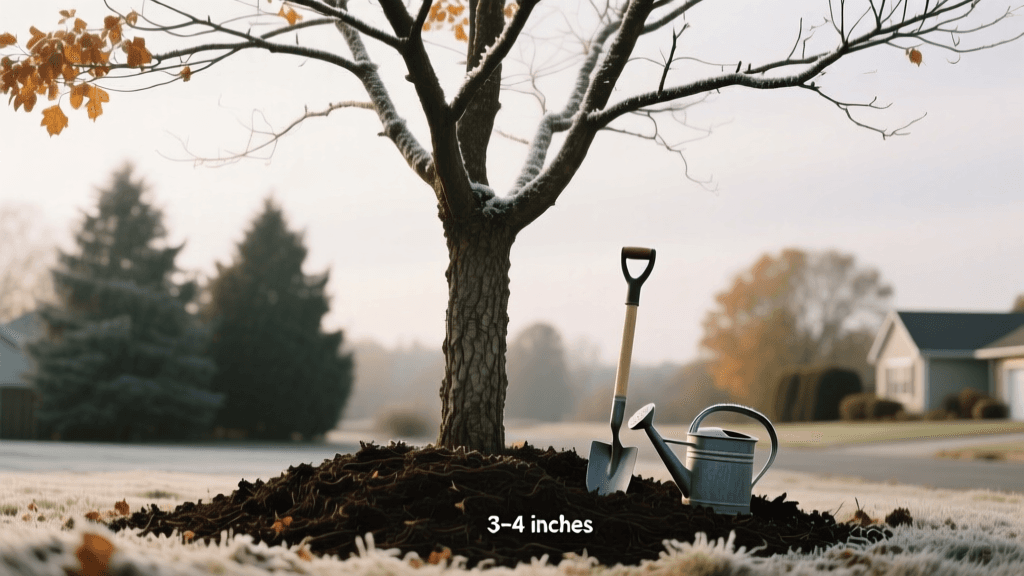
- Schedule During the Dormant Season: Late fall and winter (November through February) are typically the slowest seasons for arborists. Many companies offer discounts of 10% to 15% during these months to keep their crews busy. Furthermore, pruning deciduous trees in winter is biologically beneficial, as the absence of leaves allows for better structural visibility and reduces the risk of spreading seasonal diseases like oak wilt.
- Bundle Services: If you have multiple trees that need attention, request a comprehensive property assessment. Companies will often lower the per-tree cost if they can keep their crew and chippers on-site for a full day rather than traveling between multiple jobs.
- Handle the Cleanup Yourself: Many arborists offer a 'leave the wood' or 'cut-and-stack' discount. If you have a fireplace or a wood-burning stove, ask the crew to cut the felled trunk into manageable 16-inch rounds and leave it on your property. Hauling and dumping fees can account for 15% to 20% of the total invoice.
- Get Three Detailed Quotes: Always obtain at least three written estimates. Ensure each quote specifies the exact scope of work, including whether stump grinding, debris hauling, and site cleanup are included. This prevents surprise fees once the work begins.
The Financial Risks of DIY Tree Care
It can be tempting to rent a chainsaw and tackle a hazardous 50-foot tree removal yourself to save $1,500. However, the financial risks of DIY tree care far outweigh the initial savings. According to the U.S. Consumer Product Safety Commission, thousands of homeowners suffer severe injuries from chainsaws and falling limbs every year. A single trip to the emergency room, combined with the cost of repairing a crushed driveway or fence, will quickly eclipse the cost of hiring a professional. Moreover, improper pruning cuts made by amateurs can lead to internal decay, eventually requiring the total removal of a tree that could have otherwise been saved with professional care.
Conclusion
Budgeting for tree care requires a balance of proactive maintenance and realistic financial expectations. By understanding the variables that dictate pricing—from trunk diameter and crane accessibility to seasonal demand—you can plan your landscape expenses with confidence. Always prioritize hiring an ISA Certified Arborist, verify their insurance coverage, and view tree care not as a grudging expense, but as a long-term investment in the safety, beauty, and ecological value of your property.