Tree Care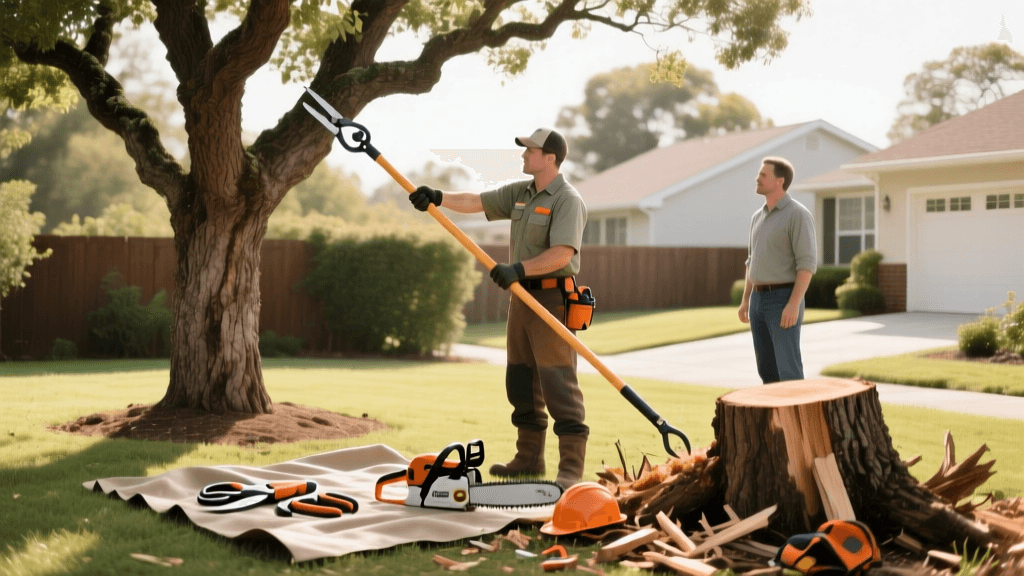
Tree Pruning and Removal Cost Guide: Budgeting for Arborists
Understanding the Investment in Your Landscape
Maintaining the trees on your property is not just a matter of curb appeal; it is a critical investment in the safety, health, and structural integrity of your landscape. However, when the time comes to hire a professional or purchase equipment for DIY maintenance, many homeowners are caught off guard by the expenses. Tree care costs can vary wildly based on species, size, location, and the specific services required. Whether you are dealing with a routine canopy thinning, a hazardous limb hanging over your roof, or a complete tree removal after a severe storm, understanding the financial landscape is essential. This comprehensive cost and budgeting guide will break down the average prices for tree pruning and removal, highlight hidden fees to watch out for, and provide actionable strategies to maximize your landscaping budget without compromising on safety or tree health.
Average Costs for Tree Pruning and Trimming
Tree pruning and trimming are essential for promoting strong structural growth, removing deadwood, and preventing disease. The cost of professional pruning is primarily dictated by the height and canopy spread of the tree, as larger trees require more time, specialized climbing gear, and sometimes heavy machinery like bucket trucks. For small trees, typically those under 30 feet in height such as young maples, dogwoods, or ornamental crabapples, you can expect to pay between $150 and $400. These jobs usually take a small crew less than two hours to complete. Medium-sized trees, ranging from 30 to 60 feet tall, like mature birch or ash trees, generally cost between $400 and $800. The arborists will need to employ advanced rigging techniques to safely lower cut branches to the ground without damaging your lawn or hardscaping. Large trees, those exceeding 60 feet, such as towering oaks, pines, or sycamores, command prices from $800 to well over $1,500. The complexity of the canopy, the proximity to power lines, and the overall health of the tree can push these estimates even higher.
Tree Removal Cost Breakdown
When a tree is dead, diseased, or poses an imminent threat to your home, removal becomes unavoidable. Tree removal is inherently more dangerous and labor-intensive than pruning, which is reflected in the pricing. Small tree removal (under 30 feet) typically ranges from $300 to $700. Medium tree removal (30 to 60 feet) averages between $700 and $1,500. Large and complex removals, especially those requiring sectional dismantling in tight urban backyards, can easily cost between $1,500 and $3,500 or more. It is crucial to note that standard removal quotes often include cutting the tree down to a small stump and hauling away the wood and debris. However, it rarely includes stump grinding, which is usually billed as an add-on service.
Comprehensive Tree Care Cost Table
| Service Type | Tree Size / Details | Estimated Cost Range | Typical Time Required |
|---|---|---|---|
| Routine Pruning | Small (Under 30 ft) | $150 - $400 | 1 - 2 Hours |
| Routine Pruning | Medium (30 - 60 ft) | $400 - $800 | 2 - 4 Hours |
| Routine Pruning | Large (Over 60 ft) | $800 - $1,500+ | Half to Full Day |
| Tree Removal | Small (Under 30 ft) | $300 - $700 | 2 - 3 Hours |
| Tree Removal | Medium (30 - 60 ft) | $700 - $1,500 | Half Day |
| Tree Removal | Large (Over 60 ft) | $1,500 - $3,500+ | 1 - 2 Days |
| Stump Grinding | Per Inch of Diameter | $3 - $5 per inch | 1 - 2 Hours |
| Emergency Storm Damage | Hazardous / Fallen | +20% to 50% Premium | Varies Widely |
Hidden Costs and Surcharges to Anticipate
One of the biggest mistakes homeowners make when budgeting for tree care is failing to account for hidden costs and surcharges. Stump grinding is the most common add-on, typically costing between $3 and $5 per inch of stump diameter, translating to an average of $150 to $400 per stump. If you leave the stump, you risk attracting carpenter ants, termites, and fungal diseases to your yard. Another hidden cost is emergency or storm-damage surcharges. If a tree falls on your property during a weekend or after a major weather event, arborists may charge a premium of 20% to 50% above their standard rates due to the hazardous nature of the work and high demand. Additionally, if your tree is located in a confined space where a bucket truck cannot reach, the crew may need to rent a specialized spider crane or spend hours manually rigging and lowering every single branch, significantly increasing labor costs. Finally, always check with your local municipal government regarding permit requirements. Many cities require a $50 to $150 permit to remove heritage trees or any tree over a certain trunk diameter, and failing to secure this can result in hefty fines.
DIY Tree Care vs. Hiring a Certified Arborist
Deciding between DIY tree care and hiring a professional is a major budgeting crossroad. For routine maintenance on small trees and shrubs, DIY can save you hundreds of dollars. However, once you need to climb a ladder with a chainsaw, or if the tree is anywhere near utility lines, DIY is no longer a budget-friendly option—it is a severe safety hazard.
According to the Purdue University Extension and the International Society of Arboriculture (ISA), improper pruning cuts fail to engage the tree's natural compartmentalization process (CODIT). This leads to severe internal decay, ultimately resulting in hazardous limb failure and the need for costly emergency removals. Always hire an ISA Certified Arborist to ensure structural integrity and long-term tree health.
Essential DIY Tree Care Tools and Budget
- Bypass Pruning Shears (e.g., Felco 2): $50 - $70. Ideal for clean cuts on live branches up to 1 inch thick.
- Telescoping Pole Saw: $100 - $250. Allows safe pruning of branches up to 12 feet high without a ladder.
- Heavy-Duty Loppers: $40 - $80. Provides the leverage needed for deadwood and branches up to 2 inches in diameter.
- Safety Gear (Gloves, Goggles, Helmet): $50 - $100. Non-negotiable protection against falling debris and wood chips.
The ISA strongly advises against 'tree topping,' a misguided DIY practice that starves the tree and causes rapid, weak, and dangerous regrowth. Hiring an ISA Certified Arborist ensures the job is done correctly the first time, protecting your long-term investment.
Strategic Budgeting: How to Save Money on Tree Services
To keep your tree care expenses manageable, strategic budgeting and timing are key. First, schedule your non-emergency pruning and removals during the late fall or winter months. During this dormant season, arborists are often less busy and may offer discounts of 10% to 20% to keep their crews employed. Winter pruning is also highly beneficial for tree health, as the absence of leaves provides a clear view of the branch structure, and the risk of spreading diseases like oak wilt or Dutch elm disease is drastically reduced. Second, consider bundling services. If you have multiple trees that need attention, or if you and your neighbors share property-line trees, coordinating a single visit for the arborist can eliminate duplicate trip fees and equipment mobilization costs. Finally, always obtain at least three detailed, written estimates from licensed and insured tree care companies. Ensure each quote explicitly outlines the scope of work, cleanup standards (whether they will chip the brush into mulch for your garden beds or haul it away entirely), and proof of both liability and workers' compensation insurance. By understanding these costs and planning ahead, you can maintain a stunning, safe, and healthy urban forest without breaking the bank.