Tree Care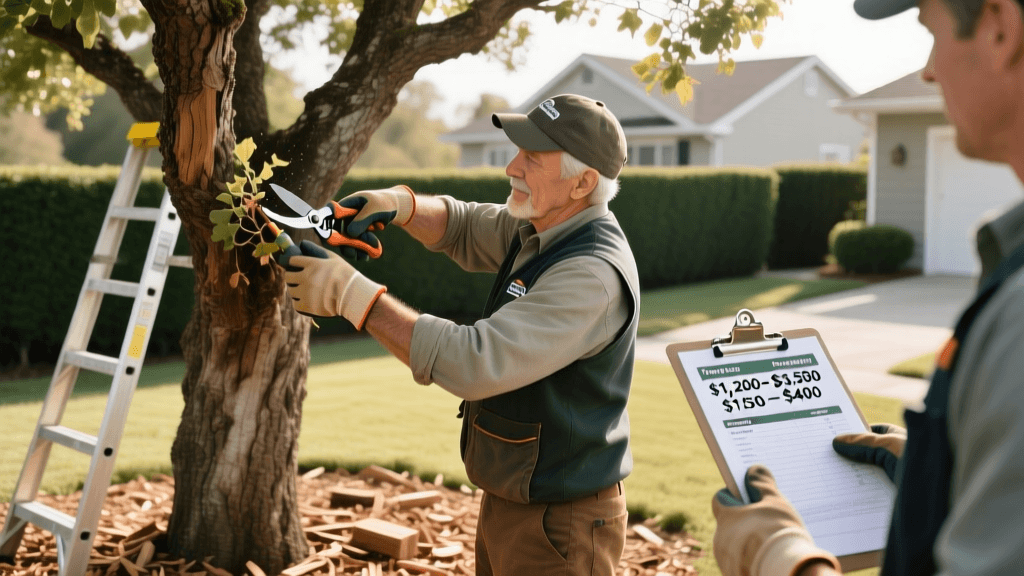
Tree Pruning and Removal Costs: A Budgeting Guide
Understanding the Financial Impact of Tree Care
Trees are a magnificent addition to any residential landscape, offering shade, improving air quality, and boosting property values. However, maintaining these towering giants requires a proactive approach and, inevitably, a dedicated budget. Whether you are dealing with overgrown branches threatening your roof, a diseased trunk that needs immediate removal, or simply want to shape your ornamental trees for better aesthetics, understanding the costs associated with professional tree care is crucial for homeowners. Unexpected tree work can easily derail a household budget if you are not prepared. By familiarizing yourself with the average market rates, the variables that drive up prices, and the hidden fees that often appear on final invoices, you can plan your landscaping expenses with confidence. This comprehensive budgeting guide will break down the true costs of tree pruning, trimming, and removal, helping you make informed financial decisions while keeping your property safe and beautiful.
The Cost of Tree Pruning and Trimming
Regular pruning is not just about aesthetics; it is a vital health practice that removes dead wood, encourages strong structural growth, and prevents the spread of fungal diseases. The cost of hiring a professional tree service to prune your trees varies wildly based on the species, the size of the canopy, and the accessibility of the branches. According to industry data compiled by Angi, the national average cost for tree trimming sits between $200 and $800, though extreme cases can push well beyond this range. Small ornamental trees, such as dogwoods or redbuds, require less time, smaller equipment, and pose minimal risk to the arborists, keeping costs on the lower end of the spectrum. Conversely, massive shade trees like mature oaks, sycamores, or sprawling weeping willows demand specialized rigging, cherry pickers, and a larger crew to safely lower heavy limbs without damaging the lawn or structures below.
Furthermore, the frequency of your maintenance schedule impacts the price. A tree that has been neglected for a decade will require a massive structural correction, which takes significantly more labor hours than a tree that receives a light, routine crown cleaning every two to three years. Timing also plays a role; scheduling pruning during the late winter dormant season can sometimes yield discounts, as tree care companies are often looking to fill their schedules during slower months.
Average Tree Pruning Costs by Size
| Tree Height Category | Height Range | Average Cost Range | Common Examples |
|---|---|---|---|
| Small Trees | Under 25 feet | $150 - $400 | Dogwood, Crabapple, Japanese Maple |
| Medium Trees | 25 to 50 feet | $400 - $800 | Maple, Birch, Honeylocust |
| Large Trees | 50 to 80 feet | $800 - $1,500 | Mature Oak, Pine, Ash |
| Extra-Large Trees | Over 80 feet | $1,500 - $2,500+ | Redwood, Sycamore, Tulip Poplar |
Tree Removal: What to Expect Financially
Tree removal is one of the most expensive landscaping services a homeowner can purchase, primarily due to the extreme liability, heavy machinery, and high skill level required to drop a multi-ton organism safely. When a tree becomes a hazard due to storm damage, severe decay, or root failure, removal transitions from an optional aesthetic choice to an urgent necessity. Data from HomeGuide indicates that the average cost to remove a tree is approximately $850, but this figure can easily swing from $200 for a small, dead sapling to over $3,000 for a massive, leaning pine tree tangled in power lines.
Several critical factors dictate the final quote for tree removal. The primary driver is the tree's diameter at breast height (DBH) and its overall canopy spread. However, the location of the tree is equally important. A dead tree standing in an open field can be felled in one piece using a simple notch and back-cut, taking a crew less than an hour. The same tree situated between a house and a detached garage must be dismantled piece by piece. Arborists must climb the tree, secure individual branches and trunk sections with heavy-duty ropes, and carefully lower them to the ground to avoid catastrophic property damage. This technical rigging multiplies the labor hours and, consequently, the cost.
Tree Removal Cost Breakdown by Height
| Tree Size | Average Removal Cost | Labor & Equipment Needs |
|---|---|---|
| Small (Under 25 ft) | $200 - $500 | Manual felling, chainsaws, basic chipping |
| Medium (25 - 50 ft) | $500 - $1,000 | Sectional rigging, wood chipper, 2-3 person crew |
| Large (50 - 80 ft) | $1,000 - $2,000 | Advanced rigging, potential crane use, large crew |
| Extra-Large (80+ ft) | $2,000 - $4,000+ | Crane mandatory, traffic control, heavy machinery |
Hidden Fees: Stump Grinding, Cranes, and Debris
One of the most common budgeting mistakes homeowners make is assuming that the quoted price for tree removal includes the entire cleanup process. In many cases, the base quote only covers felling the tree and cutting the trunk flush with the ground. If you want the stump removed, you will need to pay for stump grinding, which is typically billed separately based on the diameter of the stump. Expect to pay between $3 and $5 per inch of diameter, or a flat minimum fee of $150 to $250 for the mobilization of the stump grinder.
Debris removal is another area where hidden costs lurk. Some companies offer 'leave the wood' discounts, where they cut the tree down but leave the logs and brush for you to use as firewood or dispose of yourself. If you want a 'full cleanup' where the site is left spotless and all wood is fed through a chipper and hauled away, ensure this is explicitly stated in your written contract. Additionally, if your property lacks clear access for heavy equipment, or if the tree is dangerously close to utility lines, the company may need to rent a specialized crane or coordinate with the local power company, adding hundreds or even thousands of dollars to the final invoice.
DIY vs. Hiring a Certified Arborist
When staring at a hefty estimate, it is tempting to grab a chainsaw and tackle the job yourself. While DIY tree care is perfectly acceptable for minor tasks—such as pruning small branches under two inches in diameter using a hand saw or loppers—major pruning and full tree removal should never be attempted by amateurs. The Arbor Day Foundation strongly advises hiring certified arborists for any work involving ladders, chainsaws, or branches near structures and power lines. Tree felling is consistently ranked among the most dangerous professions in the world. A single miscalculation regarding the tree's center of gravity, a hidden defect in the trunk, or a sudden gust of wind can result in fatal injuries or tens of thousands of dollars in structural damage to your home. Furthermore, if an uninsured individual is injured on your property while performing tree work, you could be held legally and financially liable. Always verify that your chosen tree service carries both comprehensive liability insurance and workers' compensation coverage.
Smart Budgeting Tips for Homeowners
To keep your tree care expenses manageable, adopt a proactive maintenance schedule. Addressing a minor fungal infection or removing a single hazardous deadwood branch today is vastly cheaper than removing the entire tree once it has succumbed to disease and become a towering hazard. Regular inspections by a certified arborist can catch structural weaknesses early, allowing for preventative cabling or targeted pruning rather than emergency removal.
Additionally, always obtain at least three detailed, written estimates from local, reputable tree care companies. Be wary of quotes that are significantly lower than the competition, as this often indicates a lack of proper insurance or hidden fees that will appear later. Ask about off-season discounts; many companies offer reduced rates in late winter or early spring before the busy storm-season rush begins. Finally, consider grouping multiple tree projects together. If you need one tree removed and three others pruned, scheduling all the work for the same day allows the company to mobilize their crew and equipment only once, often resulting in a bundled discount that saves you hundreds of dollars.
Pro Tip: Check with your local municipality or homeowner's insurance policy. In some cases, if a tree poses an immediate, documented threat to your home or public infrastructure, your insurance provider may cover a portion of the preventative removal costs. Similarly, some cities offer free stump grinding or wood chipping services during specific times of the year to encourage proper yard waste management.