Tree Care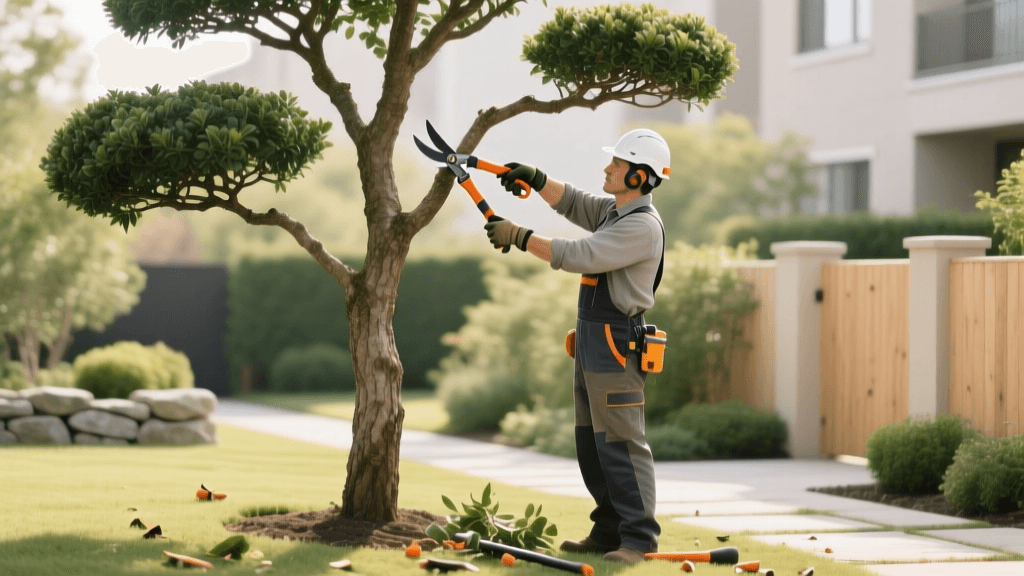
The Homeowner's Cost Guide to Tree Pruning and Trimming
Understanding the Value of Professional Tree Pruning
Mature trees are one of the most valuable assets on your property, capable of increasing your overall real estate value by up to twenty percent. However, maintaining these living structures requires a strategic financial approach. Tree pruning and trimming are not merely aesthetic endeavors; they are critical health and safety interventions. Budgeting for professional tree care ensures that your canopy remains structurally sound, biologically healthy, and safe from causing catastrophic property damage during severe weather events. Many homeowners are caught off guard by the wide variance in tree service quotes. This comprehensive cost guide will break down the financial factors involved in tree pruning, helping you allocate your landscaping budget effectively while avoiding common financial pitfalls associated with improper tree care.
Primary Factors Influencing Tree Trimming Costs
When an arborist evaluates your trees, they do not simply guess a price based on a quick glance. The cost of pruning is dictated by a complex matrix of biological, physical, and logistical variables. Understanding these variables will help you make sense of the estimates you receive and allow you to plan your annual landscaping budget with greater accuracy.
Tree Size and Diameter at Breast Height (DBH)
The most significant determinant of pruning cost is the physical size of the tree. Arborists measure trees not just by height, but by Diameter at Breast Height (DBH), which is measured at four and a half feet above the ground. Larger trees require more time, specialized rigging equipment, and carry a higher degree of risk for the climbing crew. Below is a general pricing matrix based on standard tree heights.
| Tree Size Category | Height Range | Average Pruning Cost |
|---|---|---|
| Small Trees | Under 30 feet | $150 - $450 |
| Medium Trees | 30 to 60 feet | $400 - $900 |
| Large Trees | 60 to 80 feet | $800 - $1,500 |
| Extra-Large Trees | Over 80 feet | $1,200 - $2,500+ |
Canopy Density and Species Characteristics
A dense, overgrown canopy requires significantly more labor to thin and clean than a well-maintained one. Furthermore, the species of the tree plays a role in pricing. Hardwoods like oak and hickory possess dense, heavy wood that requires careful rigging to lower safely to the ground. Conversely, softwoods or fast-growing species like silver maple or willow might be easier to cut but often suffer from weak branch unions, requiring intricate cabling or highly specific reduction cuts to mitigate failure risks. Palms and fruit trees also require specialized pruning techniques that can alter the standard pricing model.
Specific Pruning Techniques and Their Costs
Not all pruning is created equal. The International Society of Arboriculture (ISA) and the American National Standards Institute (ANSI) define several specific pruning objectives. When requesting a quote, it is vital to use the correct terminology to ensure you and the arborist are aligned on the scope of work.
| Pruning Technique | Description and Objective | Relative Cost Impact |
|---|---|---|
| Crown Cleaning | Removal of dead, diseased, detached, and broken branches to eliminate safety hazards. | Base Rate |
| Crown Thinning | Selective removal of smaller live branches to increase light penetration and reduce wind resistance. | +20% to +40% |
| Crown Raising | Removal of lower branches to provide vertical clearance for structures, vehicles, or pedestrians. | +10% to +25% |
| Crown Reduction | Reducing the height or spread of a tree using proper drop-crotch cuts to maintain structural integrity. | +30% to +50% |
It is crucial to note that crown reduction is vastly different from the harmful practice of tree topping. Topping involves making indiscriminate internodal cuts that tear the bark and leave stubs. According to the University of Florida IFAS Extension, improper pruning techniques like tree topping can lead to severe internal decay, weakly attached epicormic sprouts, and ultimately cost thousands of dollars in premature tree removal and liability claims. Always ensure your contract explicitly forbids topping and mandates adherence to ANSI A300 standards.
Hidden Costs and Logistical Surcharges
When budgeting for tree care, homeowners must look beyond the base pruning rate. Logistical challenges and site-specific conditions frequently trigger additional fees. Being aware of these potential hidden costs will prevent unpleasant surprises when the final invoice arrives.
Accessibility and Equipment Requirements
If a tree is located in a fenced backyard where a bucket truck or wood chipper cannot access, the crew must manually haul all debris to the street. This manual labor can increase the total cost by fifteen to thirty percent. Additionally, if the tree is situated near high-voltage power lines, the company may need to coordinate with the local utility provider or employ specialized line-clearance certified arborists, which commands a premium rate.
Debris Removal and Hauling Fees
Always verify whether the estimate includes debris removal. Some companies offer a brush-only price where they chip the branches but leave the logs on your property for you to use as firewood. If you require full site cleanup and off-site hauling, the arborist will factor in municipal dump tip fees, fuel costs, and the extra labor hours required to load the chip truck.
Emergency and Storm Damage Surcharges
Routine pruning is vastly cheaper than emergency storm mitigation. If a heavy branch has cracked and is resting on your roof or power lines following a severe storm, arborists will apply an emergency surcharge, often doubling the standard rate due to the immediate hazard, required rigging complexity, and prioritized scheduling.
Seasonal Budgeting: When to Prune for the Best Rates
Timing your tree care can yield significant financial savings. The arboriculture industry experiences heavy seasonal fluctuations. Spring and early summer are peak seasons when demand is highest, and prices reflect this premium. Conversely, late fall and winter offer the best opportunities for budget-conscious homeowners.
During the dormant season, tree care companies are often looking to fill their schedules, making them more open to offering discounts of ten to twenty percent. Furthermore, dormant pruning is biologically advantageous for many species. Deciduous trees are lighter without their leaf canopy, making brush disposal cheaper and faster. More importantly, pruning during winter dormancy drastically reduces the risk of spreading devastating pathogens like oak wilt or Dutch elm disease, which are transmitted by insects attracted to fresh pruning wounds in the spring. By aligning your budget with the dormant season, you save money while simultaneously protecting the long-term health of your trees.
DIY Trimming vs. Hiring an ISA Certified Arborist
In an effort to save money, many homeowners attempt to prune medium-to-large trees themselves. While you can safely prune small ornamental trees and lower branches using a quality bypass pruner or telescoping pole saw, climbing a ladder with a chainsaw is a leading cause of severe landscaping injuries and property damage.
The financial risk of DIY pruning extends far beyond personal injury. A single improper cut can introduce decay fungi into the heartwood of a mature shade tree. The Compartmentalization of Decay in Trees (CODIT) model explains how trees wall off damage; however, massive, jagged, or flush cuts overwhelm a tree's natural defenses. A few hundred dollars saved on a DIY pruning attempt can easily result in a two-thousand-dollar tree removal bill five years later when the compromised tree fails or succumbs to rot.
'Hiring an ISA Certified Arborist is an investment in your property. Certified arborists possess the scientific knowledge to make pruning cuts that promote rapid wound closure and maintain the tree's structural integrity, ultimately saving homeowners money by extending the lifespan of their trees.'
— International Society of Arboriculture (ISA) Consumer Guidelines
How to Solicit and Compare Accurate Estimates
To establish a realistic tree care budget, you should always solicit written estimates from at least three different tree service companies. Do not simply choose the lowest bidder. In the arboriculture industry, an unusually low bid often indicates a lack of proper insurance, inadequate training, or the use of harmful practices like topping or lion's-tailing.
Critical Questions to Ask Your Arborist
- Are you ISA Certified, and can you provide your certification number?
- Do you carry both commercial liability insurance and workers' compensation insurance, and can you provide a certificate of insurance directly from your provider?
- Does your pruning methodology strictly adhere to ANSI A300 standards?
- Is the removal of all wood and brush, including site raking and cleanup, explicitly included in this written quote?
- Will you be using climbing spikes? (Note: Spikes should never be used on a tree that is not being completely removed, as they cause unnecessary trunk wounds).
Conclusion: Viewing Tree Pruning as a Long-Term Investment
Budgeting for tree pruning requires a shift in perspective. Rather than viewing it as a discretionary landscaping expense, homeowners must recognize professional tree care as a vital property maintenance protocol. By understanding the variables that dictate pricing, timing your services during the dormant season, and strictly hiring insured, ISA Certified professionals, you can manage your annual tree care budget effectively. Proactive canopy thinning, crown cleaning, and structural training not only enhance the aesthetic beauty of your landscape but also serve as a crucial defense against catastrophic storm damage, ensuring your trees remain safe, healthy, and financially beneficial for decades to come.