Tree Care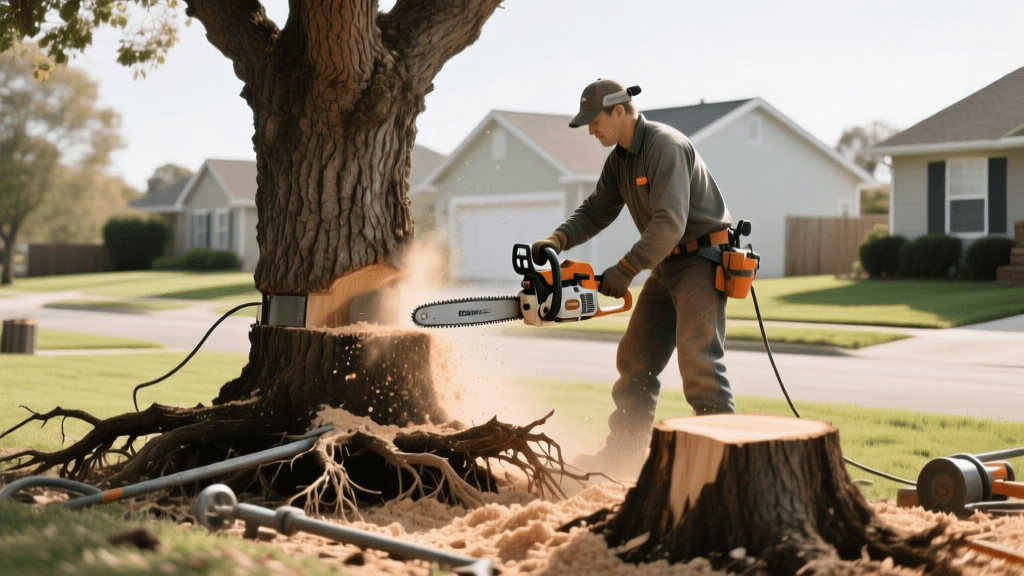
Tree Removal Cost Guide: Budgeting for Takedown and Stump Grinding
The True Cost of Tree Removal: A Homeowner's Budget Guide
When a beloved shade tree succumbs to disease, suffers catastrophic storm damage, or simply outgrows its designated space, removal becomes an unfortunate but necessary reality. For many homeowners, the immediate question is not just how the process works, but how much it will impact the household budget. Tree removal is a highly specialized, inherently dangerous task that requires heavy equipment, technical rigging skills, and comprehensive insurance. Because of these factors, the cost of removing a tree can vary wildly from a couple of hundred dollars to several thousand.
In this comprehensive cost and budgeting guide, we will break down the average pricing structures for professional tree takedown and stump grinding. By understanding the variables that certified arborists use to calculate their quotes, you can effectively budget for the project, avoid predatory hidden fees, and make informed financial decisions regarding your landscape's health and safety.
Average Tree Removal Costs by Size
The most significant determining factor in any tree removal quote is the overall height and trunk diameter of the tree. Larger trees require more labor, more time, and often heavier machinery. Below is a breakdown of average national costs based on tree height.
| Tree Size Category | Average Height | Estimated Cost Range | Typical Species Examples |
|---|---|---|---|
| Small Trees | Up to 30 feet | $150 - $450 | Dogwood, Redbud, Crape Myrtle |
| Medium Trees | 30 to 60 feet | $450 - $1,200 | Maple, Birch, Honeylocust |
| Large Trees | 60 to 80 feet | $1,200 - $2,500 | Oak, Pine, Ash, Elm |
| Extra-Large Trees | 80 to 100+ feet | $2,500 - $5,000+ | Sycamore, Tulip Poplar, Sequoia |
Keep in mind that these figures represent the baseline cost for the takedown and basic debris clearing. They do not always include stump removal, which is typically billed as a separate, ancillary service.
Key Factors That Influence Your Tree Removal Quote
While height provides a baseline, professional arborists evaluate several site-specific variables before presenting a final estimate. Understanding these factors will help you anticipate why a quote might be higher or lower than the national average.
Tree Health and Structural Integrity
Counterintuitively, removing a dead or dying tree is often more expensive than removing a healthy one. Dead wood is incredibly brittle and unpredictable. A certified arborist cannot safely rely on the tree's trunk or branches to support climbing spurs or rigging ropes. Instead, the crew must use expensive equipment like bucket trucks or mobile cranes to dismantle the tree piece by piece, significantly driving up labor and equipment costs.
Accessibility and Equipment Limitations
If a tree is located in an open front yard with easy access to the street, a crew can drive a wood chipper and bucket truck directly to the base. However, if the tree is situated in a fenced backyard, surrounded by delicate garden beds, or accessible only through a narrow side gate, the crew must manually carry debris to the street. This manual hauling requirement drastically increases labor hours and, consequently, your final bill.
Proximity to Hazards and Targets
Trees located near high-value targets, such as your home's roof, detached garages, fences, or active power lines, require meticulous, section-by-section lowering using advanced rigging techniques. The arborist must use pulleys, blocks, and port-a-wraps to gently lower each log to the ground rather than letting them fall freely. This technical rigging requires highly skilled personnel and more time on site.
Budgeting for Stump Grinding and Removal
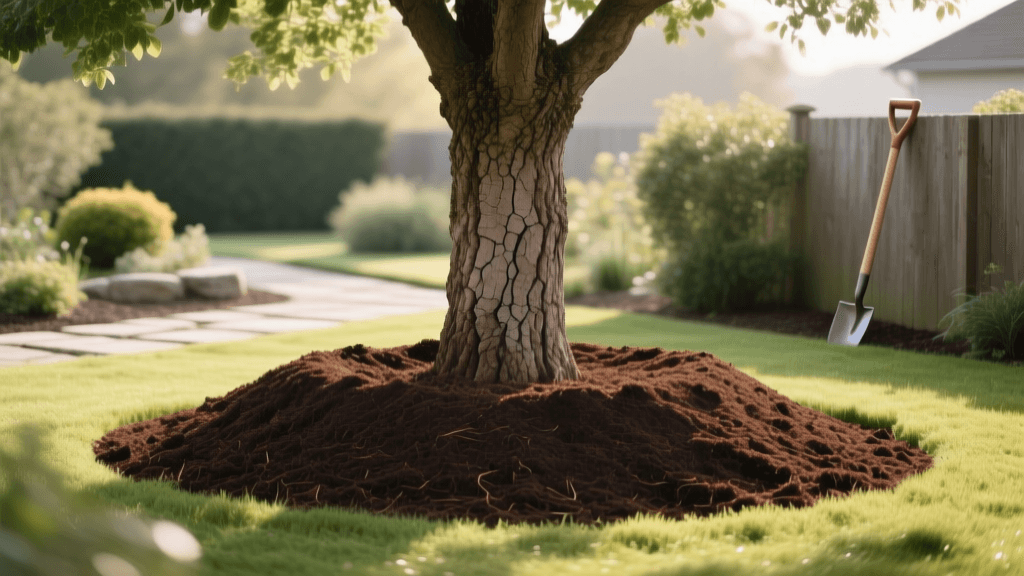
Once the tree is felled and the logs are hauled away, you are left with a stump. Leaving a stump in the yard can attract wood-boring pests like termites and carpenter ants, and it poses a tripping hazard or an obstacle for lawn mowing. Stump grinding is the most cost-effective method for eradication.
Most tree service companies charge by the diameter of the stump, typically ranging from $2 to $5 per inch. For an average-sized shade tree with a 24-inch diameter stump, you can expect to pay between $150 and $300 for grinding. The grinder reduces the stump and its surface roots to woodchips, which can be repurposed as mulch for your garden beds.
If you require complete stump removal, which involves excavating the entire root ball using heavy machinery like a backhoe or excavator, the cost will easily exceed $1,000 due to the extensive labor, machinery, and subsequent dirt backfilling required.
Hidden Fees and Additional Services to Watch For
When reviewing estimates, it is vital to read the fine print. Some companies offer a low teaser rate for the takedown but exclude essential cleanup services. Be sure to clarify the following items in your contract:
- Debris Hauling vs. Leaving Wood: Do you want the wood cut into 18-inch firewood lengths and left on your driveway? Or do you want the crew to chip all branches and haul away every piece of debris? Hauling away debris (often called full cleanup) is more expensive but leaves your property pristine.
- Crane Rental Fees: If the tree is massive or located over a house, a mobile crane may be required. Crane rentals can add $500 to $1,500 per day to the project.
- Permitting Costs: Many municipalities and Homeowner Associations (HOAs) require permits to remove heritage trees or trees of a certain caliper size. Permit fees usually range from $50 to $200, and the arborist may charge an administrative fee to pull them on your behalf.
- Emergency and Storm Damage Rates: If a tree has fallen on your home during a severe storm, expect to pay a 20% to 50% premium. Emergency work requires immediate mobilization, higher risk management, and often after-hours labor.
DIY Tree Removal vs. Hiring a Certified Arborist
In an effort to save money, some homeowners consider tackling tree removal themselves. While felling a small, 15-foot ornamental tree with a chainsaw might seem manageable, attempting to remove medium or large trees is a recipe for financial disaster and severe personal injury.
The vast majority of fatal and severe injuries involving chainsaws and falling trees occur among untrained individuals attempting DIY removal. Trees store immense kinetic energy, and improper notch-and-backcut techniques can cause the trunk to shatter, kickback, or fall in the wrong direction. — International Society of Arboriculture (ISA) Safety Guidelines
When budgeting, consider the hidden costs of DIY. Renting a professional-grade chainsaw, purchasing personal protective equipment (PPE) like Kevlar chaps, climbing harnesses, and helmets, and renting a wood chipper can easily cost $300 to $500 for a weekend. If the tree falls on your neighbor's fence or your own roof, your homeowner's insurance may deny the claim, citing negligence and lack of professional certification. Hiring an ISA Certified Arborist guarantees that the company carries comprehensive liability insurance and workers' compensation, shielding you from catastrophic financial liability.
Strategic Tips to Save Money on Tree Services
If you are working with a strict landscaping budget, there are several strategic ways to reduce the cost of tree removal without compromising on safety or quality.
1. Schedule During the Dormant Season
Tree service companies are notoriously busy during the spring and summer months when storms are frequent and landscaping is in full swing. By scheduling your non-emergency tree removals in late fall or winter (the dormant season), you can often negotiate a 10% to 20% discount. The crew is lighter, the ground is frozen (protecting your lawn from heavy equipment ruts), and the lack of leaves makes the takedown process faster.
2. Bundle Multiple Trees Together
If you have three dying ash trees that need removal, do not hire the company to remove them one at a time over three separate weekends. Mobilizing equipment and a crew is expensive. By bundling the project, the company only has to set up once, and they will almost always offer a bulk-discount rate per tree.
3. Keep the Firewood
Offer to keep the felled logs. If you tell the arborist that you only need the tree felled and bucked into manageable sections, and you will handle the chipping and hauling yourself, the company saves time on cleanup and dump fees. They will pass those savings on to you.
4. Consult University Extension Programs
Before removing a tree due to suspected disease, consult your local university cooperative extension (such as the Purdue University Extension or Cornell Cooperative Extension). They offer low-cost or free diagnostic services. You might discover that a $50 soil treatment or targeted pruning can save a $2,000 tree, entirely eliminating the need for a removal budget.
Final Thoughts on Tree Care Budgeting
Budgeting for tree removal requires a clear understanding of the variables at play. By evaluating the size of your tree, assessing the accessibility of your yard, and deciding in advance what you want to do with the stump and the wood debris, you can solicit highly accurate quotes from local professionals. Always prioritize hiring an insured, ISA-certified arborist over the cheapest uninsured bid. In the realm of tree care, investing in professional expertise is ultimately the most cost-effective way to protect your property, your landscape, and your personal safety.