Tree Care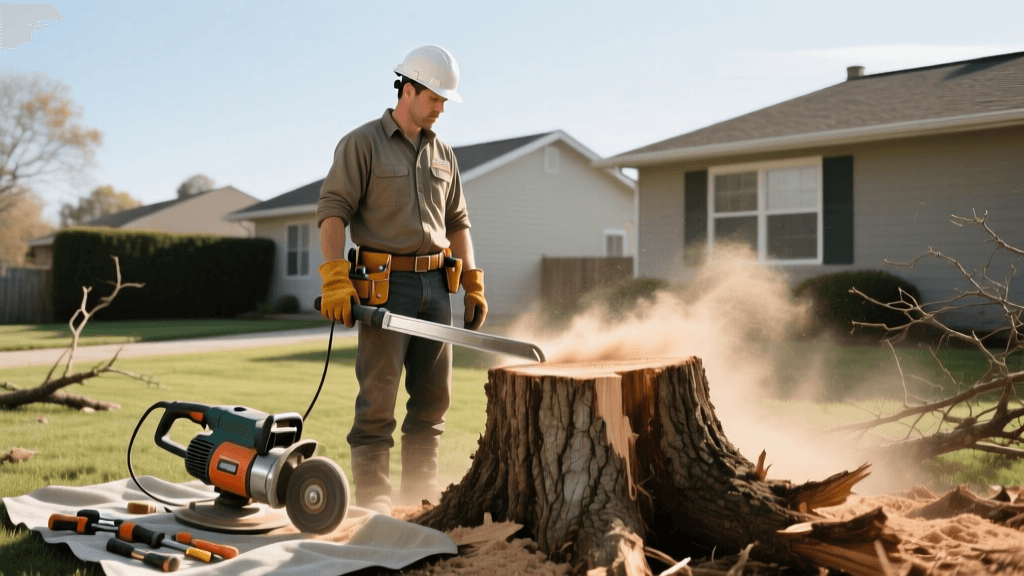
Tree Removal Cost Guide: Budgeting for Safe Extraction
Understanding the Baseline Costs of Tree Removal
Removing a mature tree from your property is a significant landscaping investment. Whether you are dealing with a hazardous oak compromised by fungal decay, a storm-damaged pine threatening your roof, or simply clearing space for a new patio, understanding the financial scope of the project is critical. Many homeowners are caught off guard by the final invoice because tree extraction involves much more than simply cutting a trunk. It requires specialized rigging, heavy machinery, skilled labor, and comprehensive insurance coverage.
According to the International Society of Arboriculture (ISA), tree removal is consistently ranked among the most dangerous professions in the world. The high cost of professional removal directly reflects the extensive training, safety gear, and liability insurance required to dismantle a multi-ton organism safely in a residential environment. Budgeting accurately ensures you do not compromise on safety or quality to save a few dollars, which could lead to catastrophic property damage or personal injury.
Cost Breakdown by Tree Size and Species
The primary driver of tree removal cost is the physical size of the tree. Arborists calculate risk, labor hours, and equipment needs based on height and trunk diameter. Below is a standard pricing matrix for residential tree removal in North America.
| Tree Category | Height Range | Trunk Diameter | Average Cost Range | Estimated Time |
|---|---|---|---|---|
| Small | Under 30 ft | Under 12 inches | $150 - $450 | 1 - 2 Hours |
| Medium | 30 - 60 ft | 12 - 24 inches | $500 - $1,200 | 2 - 4 Hours |
| Large | 60 - 100 ft | 24 - 40 inches | $1,200 - $2,800 | Half - Full Day |
| Extra Large | Over 100 ft | 40+ inches | $3,000 - $6,000+ | 1 - 2 Days |
Hardwood vs. Softwood Extraction
Species density heavily influences the final bill. Hardwoods like oak, hickory, and maple are incredibly dense, requiring more time to cut, heavier-duty chainsaw chains, and more frequent equipment maintenance. Furthermore, hardwood branches are heavier, necessitating more complex rigging to lower them safely to the ground without damaging your lawn. Softwoods like pine, spruce, and fir are generally lighter and faster to process, often sitting at the lower end of the pricing spectrum for their respective height categories.
The True Cost of Stump Grinding and Root Management
A common budgeting mistake is assuming tree removal includes the stump. In most cases, the base quote only covers cutting the tree down to ground level. Stump removal is an entirely separate service that requires a specialized machine called a stump grinder.
Stump grinding is typically priced by the diameter of the stump, measured in inches across the widest point. The national average ranges from $2.50 to $4.00 per inch, with a minimum service call fee usually hovering around $100 to $150. For a large, 30-inch oak stump, expect to pay between $300 and $500 for grinding.
It is vital to understand the difference between stump grinding and full stump excavation. Grinding shreds the visible stump and surface roots into woodchips, leaving the deeper root system to decay naturally over the next decade. If you plan to build a structure or pour concrete exactly where the tree stood, you will need full excavation. This requires heavy machinery like a backhoe or excavator and can easily add $2,000 to $5,000 to your budget due to the massive amount of soil displacement and root tearing required.
Hidden Costs and Site Variables That Inflate Your Bill
When requesting estimates, be aware of the site-specific variables that can drastically alter the final price. A tree in an open field is cheap to drop; a tree wedged between your house and a neighbor's fence is a complex engineering puzzle.
- Crane Rentals: If a tree cannot be safely dropped or rigged in sections due to its size or location, a mobile crane is required. Crane rentals add $800 to $1,500 per day to the project cost.
- Access Issues: If arborists cannot drive their bucket truck or chipper within 50 feet of the tree, manual labor costs increase. Hauling heavy logs by hand or using mini-skid steers through narrow side-yards will increase your hourly labor rate.
- Power Line Proximity: Trees entangled in or immediately adjacent to municipal power lines require specialized line-clearance certified arborists and sometimes the coordination of utility companies to drop the lines temporarily.
- Debris Hauling and Cleanup: Some budget quotes offer a 'leave the wood' discount. If you want all logs hauled away and the site raked clean, expect a 15% to 25% premium to cover dump fees and extra labor.
- Municipal Permits: Many cities have strict urban canopy protection laws. Removing a 'Heritage Tree' or any tree over a certain diameter often requires a permit ranging from $50 to $250. Removing a protected tree without a permit can result in fines exceeding $10,000.
Strategic Budgeting: How to Save Money on Arborist Services
While you should never hire an uninsured 'fly-by-night' operator just to save money, there are legitimate, strategic ways to reduce your tree care budget without sacrificing safety or quality.
1. Schedule During the Dormant Season
Tree care companies are incredibly busy during the spring and summer months, as well as immediately following severe summer storms. If your tree is not an immediate hazard, schedule the removal for late winter (February or March). During this dormant period, arborists are often looking to fill their schedules and may offer discounts of 10% to 20%. Additionally, the frozen ground protects your landscaping from damage caused by heavy equipment.
2. Bundle Multiple Services
If you have multiple trees that need pruning, cabling, or removal, bundle them into a single contract. The mobilization cost (getting the crew, trucks, and chippers to your property) is a significant portion of the bill. Doing three trees on one day is vastly cheaper per tree than hiring the crew for three separate weekends.
3. Repurpose the Wood
If you have a fireplace or wood-burning stove, ask the arborist to cut the trunk into manageable 16-inch rounds and leave it on your property. This saves the crew the time and dump fees associated with hauling away heavy, wet logs, which can shave hundreds of dollars off your final invoice. You can then split and season the wood yourself.
Vetting Your Arborist: Protecting Your Investment
The most expensive tree removal is the one done by an uninsured worker who drops a branch on your roof. When budgeting, you must prioritize verifiable credentials over the lowest bid.
"Always verify that your tree care provider holds current ISA certification and adequate liability insurance. The cost of property damage from an uninsured worker far exceeds the price of hiring a premium arborist. Ask for a certificate of insurance directly from their provider before work begins." - International Society of Arboriculture (ISA) Consumer Guidelines
Always request at least three detailed, written estimates. Ensure each estimate breaks down the cost of removal, stump grinding, cleanup, and permit acquisition. A reputable, certified arborist will happily provide proof of both liability insurance and workers' compensation insurance. If a contractor asks for a large cash deposit upfront or suggests they can do the work 'under the table' to avoid taxes, consider it a massive red flag and look elsewhere.
Conclusion
Budgeting for tree removal requires looking past the initial sticker shock and understanding the logistics, risks, and heavy machinery involved in the process. By accounting for stump grinding, potential crane rentals, and local permit fees, you can build a realistic financial plan for your landscape renovation. Remember that investing in an ISA-certified arborist is not just a line item on a budget; it is an investment in the safety of your home, your family, and the long-term health of your surrounding urban canopy.