Tree Care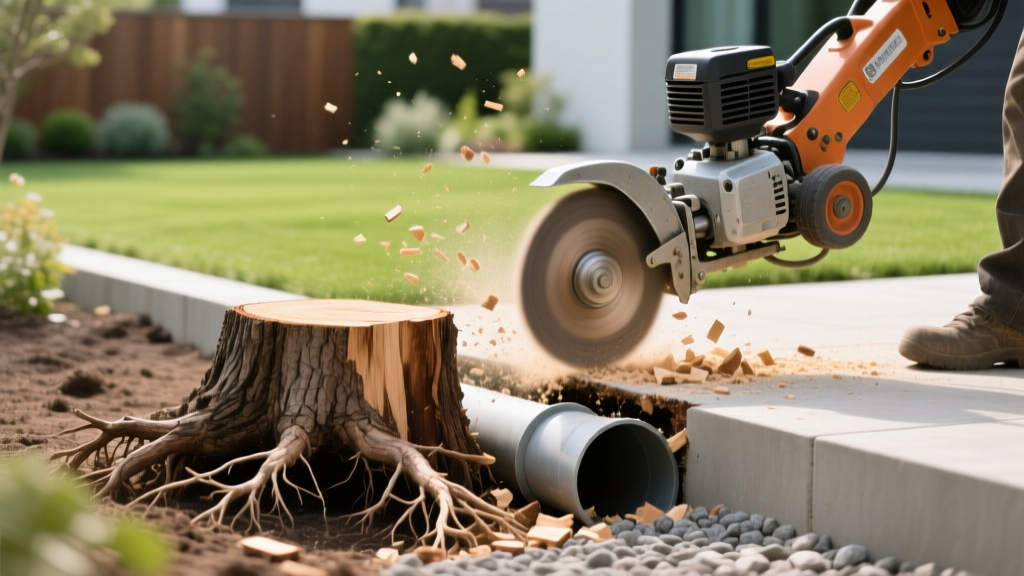
2026 Tree Removal Cost Guide: Stump Grinding Near Drain Pipes
Mike RodriguezPublished
Introduction to 2026 Tree Removal Economics
Removing a tree from your landscape is a significant undertaking that requires careful financial planning and logistical foresight. As we navigate the 2026 landscaping season, homeowners are increasingly aware that tree removal is rarely as simple as cutting down the trunk and hauling away the wood. The true complexity—and the true cost—lies beneath the soil. This is especially true when your property utilizes a sophisticated landscape drainage pipe network to manage stormwater, French drains, or yard runoff. When a mature tree is situated near these critical drainage systems, the cost estimate for removal and stump grinding shifts dramatically. Understanding these hidden variables is essential for protecting both your property's infrastructure and your wallet.
Standard Cost Factors for Tree Removal
Before addressing the drainage pipe variable, it is essential to understand the baseline factors that certified arborists use to calculate tree removal estimates in 2026. According to the International Society of Arboriculture (ISA), the primary cost drivers include tree height, trunk diameter at breast height (DBH), overall health, and site accessibility. A dead, dying, or diseased tree often costs 20% to 30% more to remove than a healthy one. This is because compromised wood is brittle, unpredictable, and requires specialized rigging techniques to prevent catastrophic property damage during the felling process.
Furthermore, accessibility plays a massive role in your final invoice. If the tree is located in a fenced backyard where standard wood chippers and bucket trucks cannot reach, manual labor costs will inflate the price. Arborists must carry brush by hand or use specialized mini-track loaders, which increases the time on site. However, the most overlooked variable in modern landscaping is the presence of underground utilities, specifically landscape drainage pipes.
The Landscape Drainage Pipe Complication
The intersection of tree biology and landscape drainage infrastructure creates a unique challenge for arborists and excavation crews. Tree roots are naturally hydrotropic, meaning they actively seek out moisture and oxygen. Landscape drainage pipes—particularly perforated corrugated tubes, French drain systems, and gravel-free EZ-Drain networks—are essentially underground water highways. Over time, microscopic root hairs infiltrate the joints, seams, and perforations of these pipes in search of water. As noted by Penn State Extension, urban tree roots frequently exploit small cracks or loose fittings in drainage infrastructure, eventually expanding and crushing or clogging the pipes from the inside out.
When you hire a crew to remove a tree that has compromised or wrapped around a landscape drainage pipe, the standard heavy-machinery approach must be abandoned. You cannot simply use a backhoe or excavator to rip out the root ball, as doing so will almost certainly sever the surrounding drainage network, leading to thousands of dollars in secondary repair costs and severe yard flooding during the next rainstorm.
Types of Drainage Pipes and Root Vulnerability
Not all landscape drainage pipes are created equal, and the type of pipe installed on your property will influence the removal strategy and cost:
- Corrugated Perforated Pipe: Highly flexible but extremely vulnerable to root intrusion. The corrugated ridges provide an easy pathway for roots to wrap around and crush the pipe.
- Schedule 40 PVC (Solid Wall):strong> Much more resistant to root crushing, but roots will still infiltrate the glued joints if the seal fails over time.
- NDS EZ-Drain (Gravel-Free): Features a polystyrene aggregate wrapped in fabric. While the fabric deters some roots, aggressive species like Willows and Poplars can still penetrate the mesh over a decade.
Stump Grinding Risks Near Underground Utilities
Stump grinding is typically the final step in the removal process, utilizing a machine with a rapidly rotating carbide-tipped wheel to pulverize the remaining trunk and surface roots into mulch. Standard stump grinding reaches depths of 8 to 12 inches below grade. However, many landscape drainage pipes, especially shallow yard drains and catch basin outflows, are buried at depths of just 12 to 18 inches. In some poorly graded yards, drainage pipes may be buried even shallower.
If an operator blindly lowers a stump grinder into a root ball intertwined with a corrugated landscape drainage pipe, the carbide teeth will shred the plastic tubing in seconds. This not only ruins your drainage system but can also cause the grinder to kick back, posing a severe safety hazard to the operator. Consequently, stump grinding near known drainage lines requires a specialized, surgical approach that directly impacts your cost estimate.
2026 Cost Estimate Breakdown
The following table outlines the average 2026 pricing for tree removal and stump grinding, including the specific surcharges associated with protecting landscape drainage infrastructure.
| Service Component | 2026 Estimated Cost | Variables & Notes |
|---|---|---|
| Small Tree Removal (Under 30ft) | $350 - $650 | Depends on canopy spread and proximity to structures. |
| Medium Tree Removal (30-60ft) | $700 - $1,300 | Requires rigging; crane access reduces labor time. |
| Large Tree Removal (60ft+) | $1,400 - $2,800+ | Heavy machinery required; local permit fees may apply. |
| Standard Stump Grinding | $3.50 - $5.50 per inch | Calculated by stump diameter; minimum fee usually $150. |
| Stump Grinding Near Drain Pipes | $200 - $450 surcharge | Requires AirSpade excavation and hand-cutting roots. |
| Drain Pipe Repair (Corrugated) | $15 - $25 per linear ft | Replacement of crushed sections; includes trenching. |
Best Practices for Protecting Drainage Systems
How do professionals handle this delicate situation in 2026? The use of pneumatic excavation tools, commonly known as AirSpades, has become the industry standard for working near sensitive underground utilities. An AirSpade uses highly compressed air to fracture and blow away compacted soil without damaging the bark of adjacent trees or the structural integrity of PVC and corrugated plastic drainage pipes.
By carefully air-excavating the soil around the stump, the arborist can visually map the root system and pinpoint the exact location of the drainage pipe. Once the pipe is exposed and protected, the stump grinder can be deployed safely above the pipe's depth, or the remaining roots can be severed by hand using reciprocating saws and pruning shears. While this adds time and labor to the project, it is vastly cheaper than replacing an entire French drain system.
Post-Removal Pipe Care and Inspection
After the tree and stump are gone, the drainage pipe must be inspected. Roots that were severed during the removal process will eventually decay, but in the short term, they can leave voids or collapse into the pipe, causing blockages. It is highly recommended to run a sewer camera or drainage endoscope through your landscape drainage pipes immediately following the stump grinding process. If root masses are detected inside the pipe, hydro-jetting or mechanical augering may be required to clear the line before the winter freeze or spring thaw.
Conclusion
Tree removal in a modern, landscaped yard is a complex operation that extends far beyond the visible trunk. When your tree's root system has intertwined with your landscape drainage pipes, the cost estimate must reflect the careful, surgical techniques required to preserve your yard's water management system. By understanding the 2026 pricing factors, hiring ISA-certified arborists who utilize AirSpade technology, and conducting post-removal pipe inspections, you can safely remove hazardous trees without sacrificing your property's vital drainage infrastructure.