Tree Care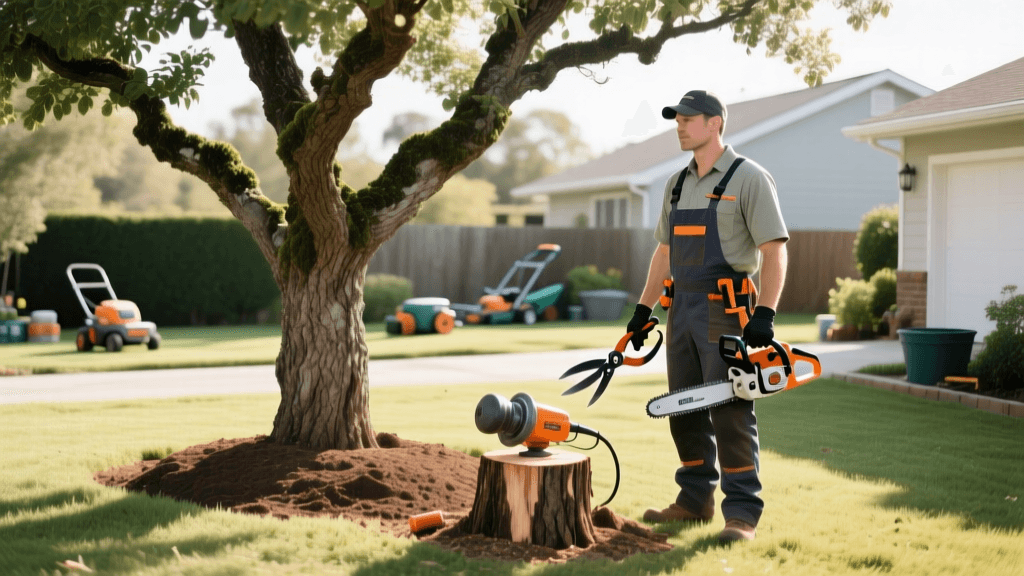
Tree Removal and Pruning Costs: A Homeowner Budget Guide
Understanding the Investment in Tree Care and Removal
Trees are a magnificent asset to any property, providing essential shade, improving air quality, and significantly boosting curb appeal. According to the Arbor Day Foundation's tree health guidelines, mature trees can increase property values by up to 15 percent. However, maintaining these towering giants or safely removing them when they become hazardous requires a substantial financial investment. For homeowners, budgeting for tree care is often an afterthought until a severe storm damages a limb or a dying oak threatens the roof.
Creating a proactive tree care budget is essential for maintaining a safe and beautiful landscape. Whether you are dealing with routine maintenance, disease management, or complete extraction, understanding the true costs of professional arborist services will help you avoid sticker shock. This comprehensive budgeting guide breaks down the average costs of tree removal, pruning, and stump grinding, while providing actionable strategies to save money without compromising on safety or quality.
Average Tree Removal Costs by Size
The most significant factor determining the cost of tree removal is the sheer size of the tree. Taller trees with wider trunks require more labor, specialized rigging equipment, and extensive cleanup. Based on data from HomeGuide's national tree removal cost report, homeowners can expect to pay anywhere from a few hundred dollars for a small ornamental tree to several thousand dollars for a massive, mature hardwood.
| Tree Size Category | Average Height | Estimated Cost Range | Common Examples |
|---|---|---|---|
| Small Trees | Under 30 feet | $150 - $500 | Dogwood, Redbud, Japanese Maple |
| Medium Trees | 30 to 60 feet | $500 - $1,200 | Bradford Pear, Birch, Alder |
| Large Trees | 60 to 80 feet | $1,200 - $2,500 | Silver Maple, Ash, Elm |
| Extra-Large Trees | 80 to 100+ feet | $2,500 - $5,000+ | White Oak, Redwood, Sycamore |
Wood density also plays a hidden role in pricing. A 60-foot hardwood like an Oak is significantly heavier and more difficult to dismantle piece by piece than a 60-foot softwood like a Pine. Hardwoods require more time to cut, heavier-duty chainsaws, and more trips to haul away the dense debris, which inherently drives up the hourly labor costs.
The Cost of Tree Pruning and Trimming
Pruning is not just about aesthetics; it is a vital health practice that removes deadwood, improves air circulation, and prevents structural failures. Budgeting for pruning should be viewed as preventative maintenance that staves off much costlier emergency removals down the line.
- Routine Maintenance Pruning ($150 - $400): This involves removing dead, diseased, or crossing branches to maintain the tree's natural shape and health. It is typically required every three to five years for most mature shade trees.
- Crown Reduction and Thinning ($300 - $800): If a tree has grown too close to your home or power lines, an arborist will selectively remove branches to reduce the overall weight and wind resistance of the canopy. This requires high-level climbing skills and precise cuts to avoid shocking the tree.
- Vista Pruning ($200 - $600): This specialized pruning technique selectively removes branches to open up a specific view from your home, such as a lake or mountain range, without compromising the tree's structural integrity.
- Fruit Tree Pruning ($100 - $300 per tree): Fruit trees require annual, highly specific pruning to maximize yield and sunlight penetration. Because they are generally smaller, the costs are lower, but the frequency of service is higher.
Never hire a cheap, uninsured service to 'top' your trees. Topping involves indiscriminately cutting off the top of the tree, which leads to rapid, weak decay and highly dangerous regrowth. Proper pruning takes more time and expertise, but it protects your long-term investment.
Stump Grinding and Root Removal
When a tree is removed, the stump is usually left behind unless you specifically request and pay for stump grinding. Leaving a stump can attract termites, carpenter ants, and fungal diseases that may spread to your remaining healthy trees or even your home's foundation.
Stump grinding costs are typically calculated by the diameter of the stump in inches. The national average ranges from $2 to $4 per inch of diameter. For a large oak tree with a 30-inch wide stump, expect to pay between $60 and $120 for the grinding service. However, many companies charge a minimum trip fee of $100 to $150, regardless of how small the stump is.
If you plan to replant in the exact same spot or install hardscaping, you may need full root extraction. This requires heavy machinery like a backhoe and can easily add $500 to $1,500 to your final bill due to the extensive soil disruption and subsequent backfilling required.
Key Factors That Influence Your Final Bill
Beyond the basic measurements of the tree, several logistical and environmental factors will dictate the final invoice you receive from a tree care company.
- Accessibility and Equipment Needs: If a bucket truck can easily park next to the tree, the job will be faster and cheaper. If the tree is in a fenced backyard with narrow gates, the crew must manually carry debris to the chipper, adding hours of manual labor. In extreme cases, a mobile crane may be required, adding $500 to $1,000 per day to the budget.
- Proximity to Hazards: Trees entangled in power lines, hanging over a glass conservatory, or leaning heavily toward a busy street require advanced rigging techniques. The crew must lower every single branch and log slowly using ropes and pulleys to prevent property damage, which drastically increases the time and cost.
- Tree Health and Condition: Dead, rotting trees are incredibly dangerous to climb. The wood cannot support the weight of a climber or the tension of rigging ropes. Arborists must use specialized aerial lifts or cut the tree from the base using wedges and directional felling, which requires a large, clear drop zone.
- Emergency vs. Scheduled Service: If a tree falls on your house during a hurricane, emergency storm response crews will charge a premium, often 20% to 50% more than standard rates, due to the immediate danger and high demand. Scheduling non-emergency work well in advance secures standard pricing.
Seasonal Timing and Budgeting Strategies
One of the most effective ways to save money on tree care is to schedule your work during the arborist's off-peak season. The tree service industry is highly seasonal. Spring and summer are packed with emergency storm cleanups and rapid-growth pruning requests. Late fall and winter, however, are typically slow periods for tree companies.
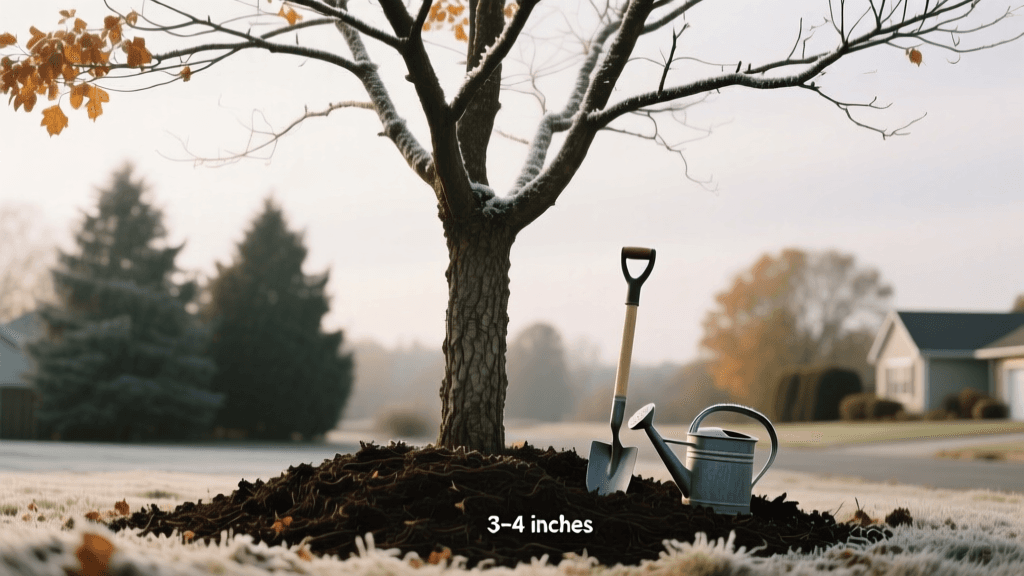
During the winter dormant season, trees have lost their leaves, making it much easier for arborists to see the structural framework of the branches. The ground is also often frozen, which allows heavy equipment to drive onto your lawn without tearing up the grass or causing soil compaction. Many reputable tree services offer winter discounts ranging from 10% to 20% to keep their crews employed during these slow months. By budgeting for your major tree projects in January or February, you can secure top-tier professional service at a fraction of the peak-season cost.
Why You Must Hire an ISA Certified Arborist
When gathering quotes, it is tempting to hire the handyman with a chainsaw and a pickup truck who offers to cut down your tree for half the price. This is a massive financial and legal risk. Tree care is consistently ranked among the most dangerous professions in the world. If an uninsured worker is injured on your property, or if they accidentally drop a limb on your neighbor's roof, you could be held personally liable for hundreds of thousands of dollars in medical and property damages.
Always verify that the company you hire employs an ISA Certified Arborist. According to the International Society of Arboriculture (ISA), certification ensures that the professional has undergone rigorous training in tree biology, safe climbing practices, and proper pruning standards. Furthermore, a legitimate tree service will carry both Workers' Compensation insurance and comprehensive General Liability insurance. Always ask for a certificate of insurance directly from their provider before any work begins. Paying a premium for insured, certified professionals is a non-negotiable aspect of your tree care budget.
Hidden Costs to Watch Out For
To finalize your budget, ensure you have accounted for potential hidden costs that are not always included in the initial verbal estimate.
- Debris Hauling and Cleanup: Clarify whether the quote includes full debris removal. Some companies offer a lower rate if you choose to keep the wood for firewood or if they leave the wood chips on your property for mulch. If you want a pristine yard, ensure 'full haul-away' is written in the contract.
- Municipal Permits: Many cities and homeowner associations have strict heritage tree ordinances. Removing a protected species or a tree over a certain diameter may require a municipal permit, which can cost between $50 and $200, plus the cost of hiring an arborist to write a formal risk assessment report.
- Landscaping Repair: Heavy machinery and falling timber will inevitably cause some wear and tear to your lawn. Budget an additional $100 to $300 for topsoil, grass seed, and minor grading repairs once the tree crew has departed.
By understanding these variables and planning ahead, you can effectively manage your landscape budget, ensuring your trees remain healthy, safe, and beautiful for decades to come.