Tree Care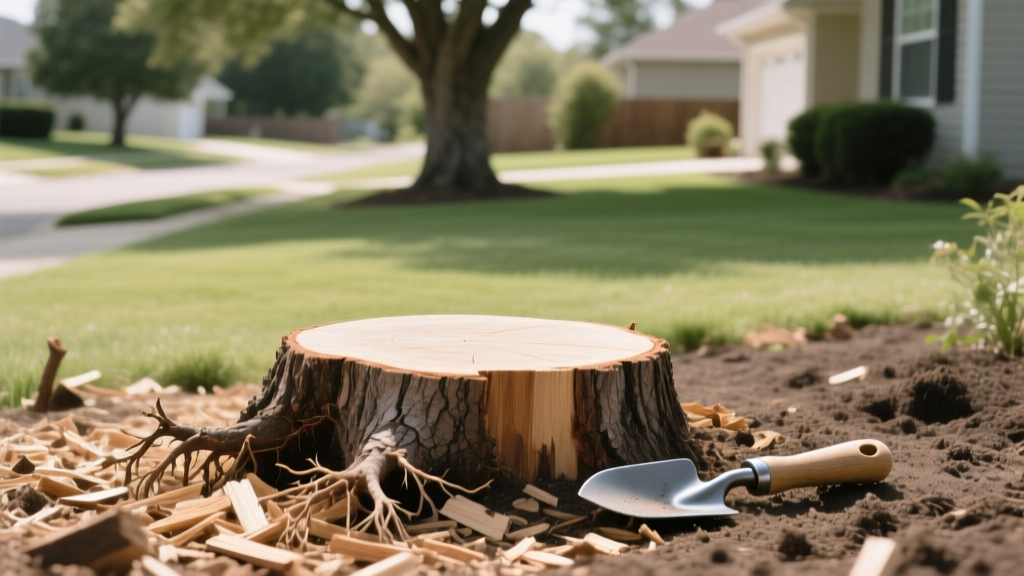
2026 Tree Removal Cost Factors & Stump Grinding Guide
Mike RodriguezPublished
When embarking on a new landscaping project, selecting the perfect tree species is only half the battle. Before you can break ground and plant a new shade tree, fruit tree, or ornamental specimen, you must often address the existing landscape. In many cases, proper site preparation requires the removal of old, diseased, or poorly placed trees. Understanding the financial and logistical aspects of this process is critical for any homeowner. This comprehensive guide breaks down the essential tree removal cost factors and stump grinding expenses you need to budget for in 2026, ensuring your new tree selection has the perfect environment to thrive.
The Role of Tree Removal in Site Preparation
Tree selection and planting guides often focus heavily on soil pH, sunlight exposure, and hardiness zones. However, the physical space and soil ecology left behind by a removed tree drastically impact your new planting. Leaving an old stump or a massive, decaying root system in the ground can lead to severe root competition, nitrogen depletion, and the transfer of soil-borne pathogens like Armillaria root rot to your newly planted tree. Therefore, complete removal and professional stump grinding are not just aesthetic choices; they are fundamental steps in preparing a healthy planting site.
Key Factors Influencing 2026 Tree Removal Costs
The cost to remove a tree in 2026 varies wildly based on several interconnected variables. While the national average for standard tree removal sits between $850 and $1,450, complex jobs can easily exceed $3,000. Here are the primary factors that arborists use to calculate your estimate.
Tree Height and Trunk Diameter
The most obvious cost driver is the sheer size of the tree. Arborists categorize trees into four main size classes, which directly dictate the labor, time, and equipment required.
- Small Trees (Under 30 feet): Typically ornamental species like dogwoods or redbuds. Removal costs range from $250 to $500. These can often be removed manually without heavy rigging.
- Medium Trees (30 to 60 feet): Includes many fruit trees and mid-sized shade trees. Expect to pay between $600 and $1,100. Bucket trucks are usually required to reach the upper canopy safely.
- Large Trees (60 to 80 feet): Mature maples, birches, and pines. Costs range from $1,200 to $2,000. Advanced rigging techniques are necessary to lower heavy limbs safely without damaging the surrounding landscape.
- Massive Trees (Over 80 feet): Towering oaks, sycamores, and redwoods. These complex removals start at $2,500 and frequently exceed $4,000, especially if a mobile crane is required to lift massive sections over structures.
Species and Wood Density
Not all wood is created equal. Dense hardwoods like hickory, oak, and maple are significantly heavier and harder to cut, dulling chainsaw chains faster and requiring more physical effort to haul away. Conversely, softer woods like pine or poplar are lighter and generally cheaper to remove. However, palm trees present a unique challenge; their fibrous trunks can be notoriously difficult to grind, sometimes increasing the stump grinding portion of the estimate due to the specialized teeth required for the grinding wheel.
Health, Condition, and Hazard Level
Counterintuitively, a dead, rotting tree often costs more to remove than a healthy one. Dead wood is brittle and unpredictable, making it highly dangerous for arborists to climb. If a tree is severely decayed, leaning dangerously over a structure, or entangled in power lines, the crew must employ advanced rigging techniques, use cranes, or work in small, meticulous sections to prevent property damage. This heightened risk and extended labor time will increase your 2026 estimate by 20% to 50%.
Location and Accessibility
If your tree is located in an open backyard with wide gate access, a crew can easily bring in wood chippers and bucket trucks, keeping costs low. If the tree is squeezed between a fence and a house, or located in a steep, inaccessible ravine, workers must manually carry heavy logs and brush to the street. This lack of accessibility drastically increases labor hours, driving up the final price.
Stump Grinding: The Hidden Cost of Site Prep
Many homeowners mistakenly believe that tree removal includes the stump. In standard industry contracts, felling the tree and hauling the wood is one service, while stump grinding is an entirely separate add-on. If you are following expert tree selection and planting guides to prepare a new planting hole, skipping the stump grinding is not an option. You cannot plant a new tree directly over an old, decaying stump.
Stump grinding involves using a specialized machine with a rotating carbide-tipped cutting wheel to chew the wood down into small chips, typically 6 to 12 inches below the soil surface. In 2026, stump grinding is generally priced by the diameter of the stump, measured in inches across the widest point, including the major surface roots.
2026 Stump Grinding Cost Breakdown
The average cost for professional stump grinding in 2026 ranges from $3.50 to $5.00 per inch of diameter. Most companies enforce a minimum service fee, usually around $150 to $200, to cover the cost of transporting the heavy grinding equipment to your property. Below is a detailed cost table to help you budget for this crucial site preparation step.
| Stump Diameter (Inches) | Average Cost Per Inch (2026) | Estimated Total Cost Range | Typical Tree Species |
|---|---|---|---|
| 12 - 24 inches | $3.50 - $4.50 | $150 (Minimum) - $180 | Dogwood, Redbud, Small Fruit Trees |
| 25 - 36 inches | $3.50 - $4.50 | $175 - $250 | Maple, Birch, Ash |
| 37 - 48 inches | $4.00 - $5.00 | $250 - $350 | Mature Oak, Pine, Sycamore |
| 49 - 60+ inches | $4.50 - $6.00 | $350 - $600+ | Massive Heritage Oaks, Cottonwoods |
Soil Remediation: Preparing the Grinded Site for New Trees
Once the stump is ground, you are left with a large hole filled with a mixture of soil and fresh woodchips. This brings us to a vital concept in tree selection and planting: soil remediation. Fresh woodchips undergo rapid decomposition, a process driven by soil microbes that consume massive amounts of nitrogen. If you plant a new tree directly into this chip-filled hole, your new specimen will suffer from severe nitrogen deficiency, resulting in stunted growth and yellowing leaves.
To properly prepare the site, you must remove the bulk of the woodchips and backfill the hole with high-quality native topsoil mixed with organic compost. For optimal results, many arborists recommend letting the amended soil settle for a full season before planting a new tree in the exact same spot. If you must plant immediately, offset the new planting hole by at least 4 to 6 feet from the center of the old stump to ensure the new root ball has access to undisturbed, nutrient-rich soil.
Hiring the Right Professional for Your 2026 Project
Because tree removal and stump grinding involve heavy machinery, extreme heights, and significant liability, this is not a DIY project. It is imperative to hire a qualified professional. When gathering estimates, always look for a company that employs an arborist certified by the International Society of Arboriculture (ISA). Certified arborists possess the scientific knowledge to assess tree health, safely execute complex removals, and advise you on the best soil remediation practices for your future plantings.
Furthermore, ensure the company provides proof of both liability insurance and workers' compensation insurance. If an uninsured worker is injured on your property, or if a falling branch damages your neighbor's roof, you could be held financially responsible. Always request a detailed, written estimate that explicitly itemizes the tree felling, debris hauling, stump grinding, and site cleanup.
Budgeting for the Complete Planting Cycle
When planning your landscape renovation, view tree removal and new tree planting as a single, continuous project. By bundling the removal of old trees with the planting of new ones, some landscaping companies may offer a discounted rate on soil preparation and planting labor. Remember that the ultimate goal of removing the old tree is to create a blank canvas for your new selection.
Whether you are replacing a storm-damaged ash tree with a disease-resistant elm, or clearing out overgrown pines to plant a vibrant Japanese maple, understanding the financial commitment of site preparation is essential. By accurately estimating the 2026 costs of tree removal and stump grinding, you can avoid unexpected budget overruns and ensure your new trees are planted in a safe, healthy, and thoroughly prepared environment. For more detailed instructions on how to properly set your new tree in the ground once the site is clear, consult the Arbor Day Foundation's planting guidelines to guarantee long-term success and vigorous growth.